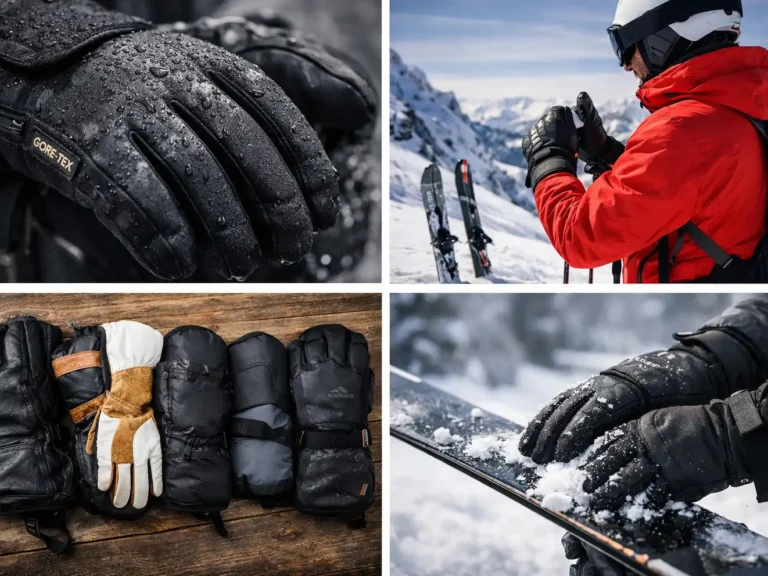
Ski Mittens vs. Gloves:

Which Is Better for Winter Adventures?
Every skier and snowboarder knows the struggle: mittens or gloves? When the snow is deep, the wind howls, and the temperature plummets, choosing between the two can mean the difference between an amazing powder day and frozen fingers by lunchtime.
In the battle of Ski Mittens vs. Gloves, both have their loyal fans. Mittens promise unmatched warmth, while gloves offer precision and control — but which truly reigns supreme? Let’s break down the science, design, and real-world performance to help you make the smartest choice for your next mountain adventure.
Understanding the Core Differences
Design and Structure: Fingers vs. Shared Warmth
The key distinction lies in how your fingers are separated.
- Gloves give each finger its own space — great for grip and dexterity but less efficient at conserving heat.
- Mittens, on the other hand, keep your fingers together, sharing warmth and minimizing heat loss.
In temperatures below 10°F (-12°C), mittens often outperform gloves in warmth retention by up to 30%, according to outdoor gear studies.
Material and Insulation: What Keeps You Warmest?
Mittens tend to use thicker insulation layers like down or synthetic fill. Gloves, by contrast, use thinner but more flexible materials for precise hand movements.
When paired with Gore-Tex or leather shells, both offer excellent water resistance — but mittens still edge out gloves in sheer insulation power.
Dexterity and Performance: Handling Gear on the Slopes
Gloves are favored when you need to adjust bindings, hold ski poles, or use your phone. Many modern models now feature touchscreen-compatible fingertips — a luxury mittens can’t quite match.
Pros and Cons of Ski Mittens
Benefits of Mittens
✓ Superior warmth for freezing conditions
✓ Easier to slip on and off
✓ Ideal for snowboarding or leisure skiing
✓ Often more comfortable for extended wear
Drawbacks of Mittens
✘ Reduced dexterity (harder to adjust zippers, poles, or goggles)
✘ Bulky design limits fine motor control
✘ Can overheat in mild weather
Pros and Cons of Ski Gloves
Advantages of Gloves
✓ Greater dexterity for adjusting gear and gripping poles
✓ Better breathability for spring skiing
✓ Easier use with smartphones or cameras
✓ More stylish and streamlined look
Limitations of Gloves
✘ Fingers lose heat faster
✘ Can get cold in subzero conditions
✘ Slightly harder to maintain waterproofing over time
Weather and Temperature Considerations
When Mittens Work Best (Extreme Cold, Powder Days)
In brutal cold — think Vail, Whistler, or Banff in January — mittens are your best friend. Their design minimizes heat loss and maximizes insulation, keeping your hands cozy on long chairlift rides.
When Gloves Are Ideal (Mild Weather, Technical Terrain)
In warmer or windier conditions, gloves win. Their slim design allows better control and prevents overheating during spring skiing or backcountry treks.
Materials Matter: Leather, Gore-Tex, and Synthetic Options
Waterproofing and Breathability
Both mittens and gloves rely on materials like Gore-Tex, HydraTex, or polyurethane coatings for waterproofing. High-end leather gloves, like those from Hestra, offer durability and natural breathability.
Insulation Types: Down vs. Synthetic
- Down insulation: unbeatable warmth but less effective when wet.
- Synthetic insulation (like PrimaLoft): retains warmth even when damp, ideal for wetter snow conditions in the Pacific Northwest.
Fit and Comfort: Why Sizing Is Crucial
A poor fit equals cold hands. Simple as that.
How to Find the Right Fit for Gloves
Gloves should fit snugly but not tight — leaving a small air pocket at the fingertips for insulation. Always check for movement flexibility.
How to Fit Mittens for Maximum Warmth
Mittens should feel roomy, allowing your fingers to move slightly. Tight mittens restrict circulation and cause faster heat loss.
Features That Make a Difference
Wrist Straps, Liners, and Touchscreen Compatibility
Modern mittens and gloves often feature removable liners, wrist straps, and smartphone-friendly fingertips — perfect for mountain selfies or map checks.
Cuff Styles and Closure Systems
Short cuffs tuck under jackets for agility, while long cuffs overlap sleeves for added protection against powder.
Hybrid Designs: Best of Both Worlds
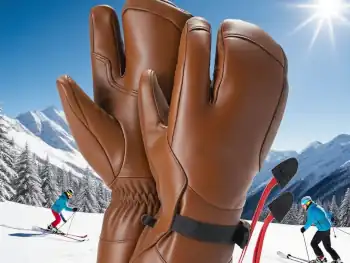
Lobster Mitts and Three-Finger Gloves
These innovative hybrids combine two fingers together for warmth and two separated for dexterity — the sweet spot between mittens and gloves. Popular among backcountry skiers and snowboarders alike.
Skiing vs. Snowboarding: Which Should You Choose?
Skiers’ Preference: Precision and Grip
Most skiers choose gloves for pole control and quick adjustments on technical terrain.
Snowboarders’ Preference: Warmth and Freedom
Snowboarders, who use their hands less frequently, typically prefer mittens for comfort and consistent warmth.
Top Brands and Models to Consider
Best Ski Mittens for 2025
- Hestra Army Leather Heli Mitt
- Black Diamond Mercury Mitts
- Burton Gore-Tex Mittens
Best Ski Gloves for 2025
- Outdoor Research Alti Gloves
- Hestra Ergo Grip Active
- Dakine Titan Gore-Tex Gloves
Expert Tips for Maintaining Your Gear
Cleaning, Drying, and Storage Tips
- Wash only when necessary using specialized glove cleaner
- Air-dry away from direct heat
- Store in a cool, dry place during off-season
When to Replace Your Mittens or Gloves
If you notice cracked leather, wet spots, or loss of insulation, it’s time for an upgrade. Well-maintained pairs can last 5–7 seasons.
FAQs About Ski Mittens vs. Gloves
1. Are mittens or gloves better for extreme cold?
Mittens generally provide more warmth because your fingers share heat in a single compartment.
2. Can I wear liners inside my gloves or mittens?
Yes! Liners boost insulation and wick away moisture.
3. Are leather gloves waterproof?
Treated leather is water-resistant, but not fully waterproof. Regular conditioning helps.
4. Do snowboarders prefer mittens or gloves?
Most snowboarders favor mittens for superior warmth.
5. Are hybrid gloves worth it?
Absolutely — they offer the perfect balance between dexterity and warmth.
6. How do I dry wet gloves or mittens?
Avoid direct heat; use a boot dryer or room-temperature airflow for best results.
Choosing What’s Best for You on the Slopes
In the Ski Mittens vs. Gloves showdown, there’s no one-size-fits-all answer. If you ski in frigid alpine conditions, mittens are unbeatable. But if you prioritize grip, flexibility, and performance — gloves are your go-to.
Ultimately, the best pair is the one that matches your climate, activity level, and comfort preferences. So, next time you gear up, choose wisely — your fingers will thank you!

by: Blair Fontana
A versatile freelance content creator known for her engaging writing style and diverse range of interests. Blair has carved out a niche in lifestyle writing, captivating her audience with insightful articles… read more