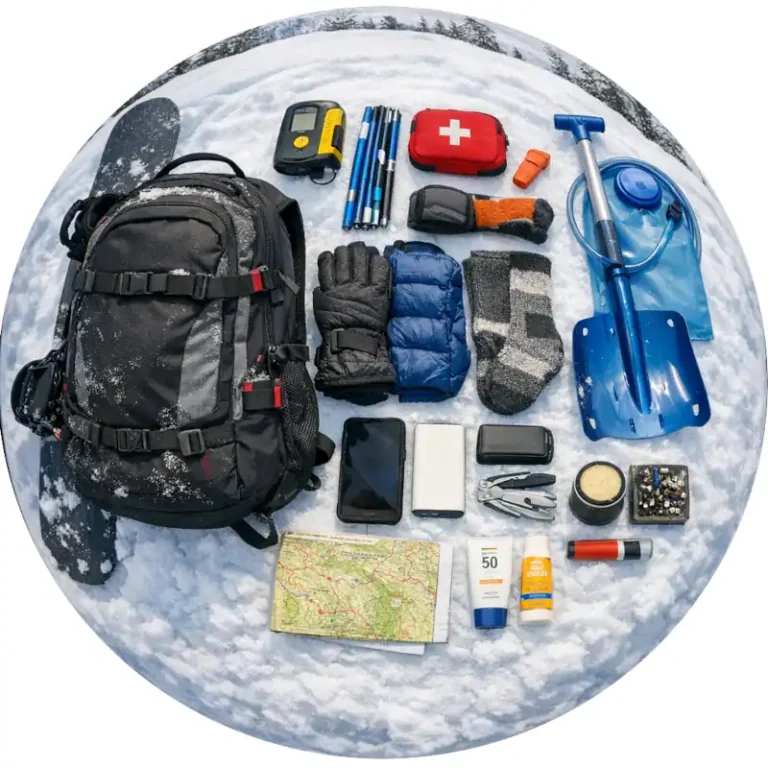
7 Best Snowboard Backpacks 2026 That Will Completely Transform Your Ride
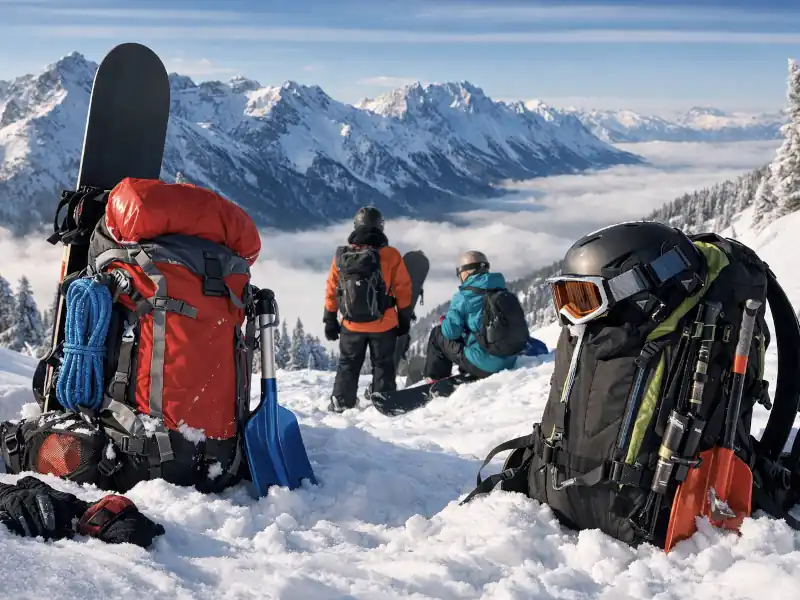
Best Snowboard Backpacks 2026
The Ultimate Buyer’s Guide
If you’re serious about performance in the mountains, choosing from the Best Snowboard Backpacks 2026 isn’t just about storage — it’s about safety, comfort, balance, and confidence. The right backpack can completely transform how you ride, whether you’re carving groomers, chasing powder in the trees, or venturing deep into the backcountry.
Let’s be honest: too many riders treat their backpack as an afterthought. They grab whatever’s on sale, throw in a shovel, an extra layer, maybe a snack — and call it a day. But as gear technology evolves, so do expectations. The Best Snowboard Backpacks 2026 are smarter, lighter, more ergonomic, and designed with serious mountain performance in mind.
This year’s lineup introduces advanced load-distribution systems, avalanche airbag integrations, breathable molded back panels, and reinforced waterproof fabrics built to survive brutal alpine conditions. Whether you’re heading to a resort for quick laps or planning a full-day touring mission, your pack directly affects fatigue levels, mobility, and even safety response time.
Here’s what makes 2026 different:
- More streamlined avalanche airbag systems
- Improved hydration insulation for freezing temps
- Dedicated snowboard carry systems that don’t bounce
- Smart pocket architecture for faster access to safety gear
- Lightweight but ultra-durable fabrics
And here’s the truth — the “best” snowboard backpack depends entirely on how you ride.
Are you a lift-access weekend warrior? A splitboard adventurer chasing untouched lines? Or a minimalist who hates unnecessary weight?
In this guide, we’ll break down exactly what to look for, review the top-performing models of the season, and help you confidently choose the backpack that matches your riding style.
Because when your gear works with you — not against you — everything feels better.
What to Look for in the Best Snowboard Backpacks 2026
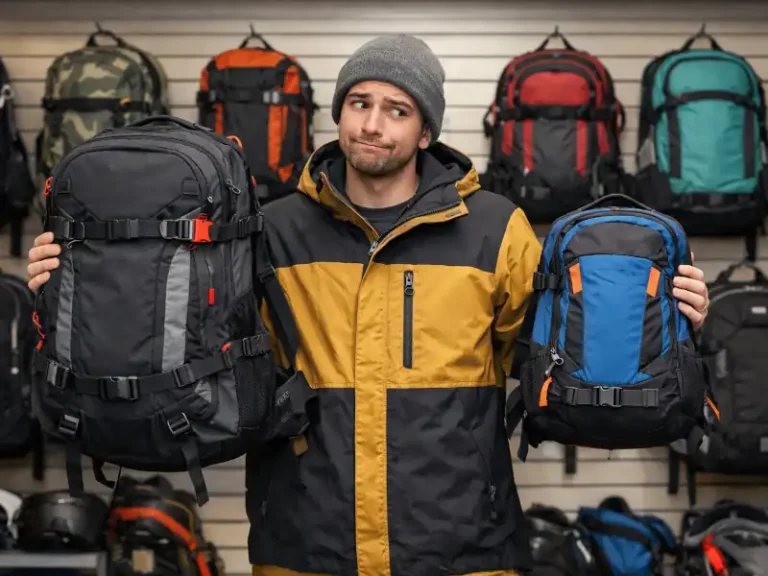
Choosing from the Best Snowboard Backpacks 2026 isn’t about grabbing the most expensive option or the one with the most pockets. It’s about performance alignment. The right pack should move with your body, balance weight properly, and give you instant access to safety gear when seconds matter.
Let’s break down exactly what separates average packs from elite-level gear this season.
Capacity: 15L to 35L+ — What Do You Actually Need?
Size matters — but only if it matches your riding style.
- 15L–20L: Ideal for resort riders who carry minimal gear — extra layer, snacks, hydration, small repair kit.
- 20L–30L: The sweet spot for most riders. Enough room for avalanche gear, layers, goggles, and tools.
- 30L–35L+: Designed for backcountry touring, splitboarding missions, and long days where you’re packing skins, food, emergency layers, and technical equipment.
Overpacking leads to imbalance. Underpacking compromises safety. The Best Snowboard Backpacks 2026 are designed with smart volume distribution so weight stays close to your center of gravity — reducing fatigue and improving stability during aggressive descents.
Avalanche Safety Integration
If you’re riding backcountry terrain, avalanche compatibility isn’t optional — it’s essential.
Modern packs now feature:
- Dedicated avalanche tool compartments
- Quick-access shovel and probe sleeves
- Avalanche airbag systems (mechanical or electronic)
- Reinforced carry loops for ice axes or splitboard gear
Airbag systems have become lighter and more streamlined in 2026. Brands have reduced bulk without sacrificing deployment reliability. If you’re investing in serious terrain, consider an airbag-equipped pack. It could literally save your life.
For avalanche education and safety resources, organizations like the American Institute for Avalanche Research and Education (AIARE) provide essential training:
https://avtraining.org
No backpack replaces knowledge — but the right one supports it.
Ergonomics & Load Distribution
Here’s where elite packs separate themselves.
The Best Snowboard Backpacks 2026 feature:
- Molded back panels for breathability
- Contoured shoulder straps
- Adjustable sternum straps
- Wide hip belts that transfer load off your shoulders
- Compression straps to stabilize shifting weight
When you’re carving hard or landing drops, a poorly balanced pack shifts. That subtle movement throws off your center of gravity. Over a full day, it drains energy and impacts performance.
Modern snowboard-specific packs are designed with movement in mind. They flex naturally while staying secure — almost like a second spine.
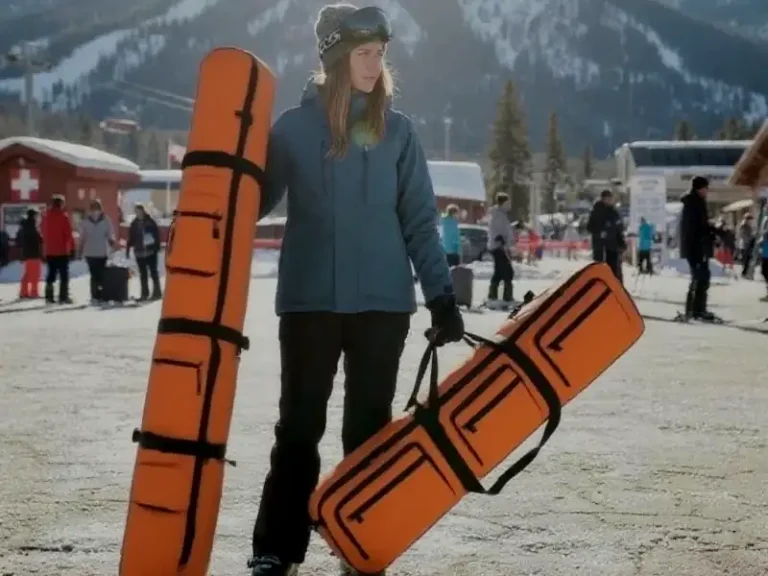
Snowboard Carry Systems
You’ll encounter boot packs, technical climbs, and moments when riding isn’t possible. A reliable snowboard carry system is critical.
Look for:
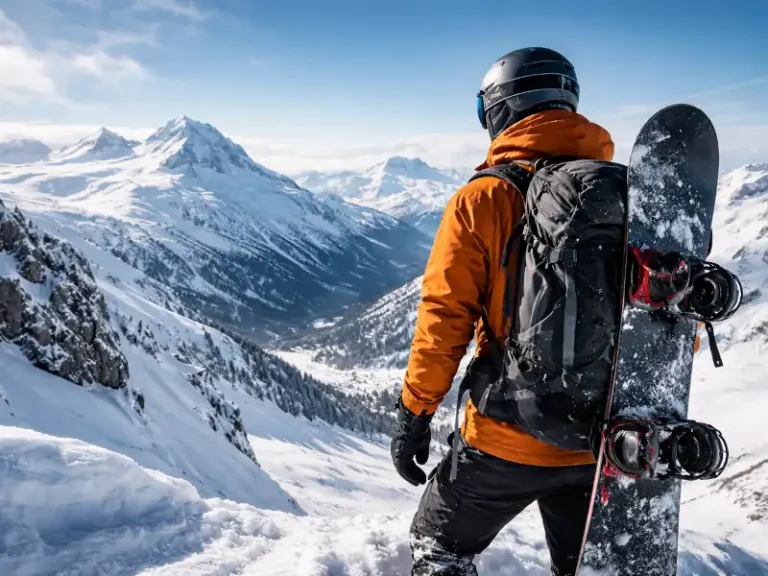
- Vertical carry (best for tight trails)
- Diagonal carry (popular for touring)
- A-frame style options (more common in splitboarding setups)
Straps should be reinforced and positioned to prevent bounce. Nothing is more frustrating than a swinging board mid-hike.
Durability & Weather Protection
Snowboarding is brutal on gear.
In 2026, high-performance backpacks use:
- Ripstop nylon
- Weather-resistant coatings
- Reinforced stitching
- Waterproof zippers
- Abrasion-resistant base panels
You want something that survives chairlift edges, tree branches, and repeated snow contact.
7 Best Snowboard Backpacks 2026 – Features & Highlights
Now we get to the good stuff. The Best Snowboard Backpacks 2026 aren’t just marketing hype — they represent real performance upgrades in comfort, durability, and safety integration. Whether you ride lift-access terrain or push deep into untouched backcountry lines, these seven picks stand out for very specific reasons.
Let’s break them down.
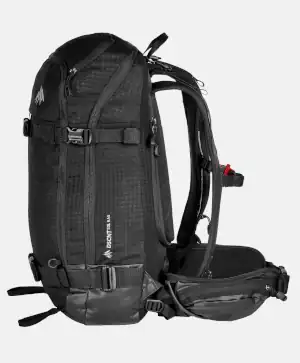
DSCNT 32L R.A.S. Backpack – The Backcountry Specialist
Built for serious touring missions, the DSCNT 32L R.A.S. Backpack is engineered for balance and efficiency. With a streamlined 32-liter capacity, it hits the sweet spot for day tours and more.
It features:
- Diagonal and A-frame carry options
- Avalanche tool pocket with fast-access zipper
- Hydration sleeve compatible with insulated hoses
- Ergonomic molded back panel
What makes it exceptional is its minimal bulk. It hugs your body tightly, reducing sway during technical descents. For splitboarders, this is a dream pack.
Best for: Backcountry riders and splitboarders.
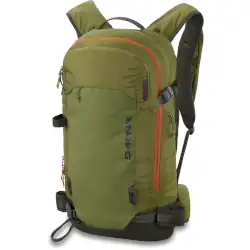
Dakine Poacher 22L – Lightweight & Resort-Friendly
The Dakine Poacher 22L is perfect for aggressive resort riders who occasionally dip into side country terrain.
Key features include:
- Vertical snowboard carry
- Fleece-lined goggle pocket
- Breathable snow-shedding back panel
- Compact avalanche gear sleeve
It’s light, functional, and doesn’t feel bulky on chairlifts. For riders who want versatility without overpacking, this one’s a strong contender in the Best Snowboard Backpacks 2026 category.
Best for: Lift-access riders who want lightweight performance.
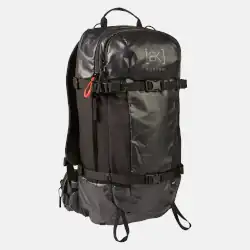
Burton [ak] Dispatcher 25L – Technical Performance Masterpiece
The Burton [ak] Dispatcher 25L blends premium materials with smart organization.
Expect:
- Reinforced ripstop construction
- Ergonomic shoulder harness
- Internal snow safety organization
- Compression straps that eliminate bounce
This pack excels during long boot packs and technical climbs. It’s durable without feeling heavy — exactly what 2026 riders are demanding.
Best for: Advanced riders and alpine explorers.
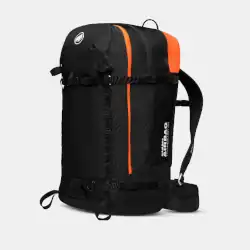
Mammut Pro 45 Removable Airbag 3.0 – Safety First
If avalanche terrain is part of your routine, the Mammut Pro 45 Removable Airbag 3.0 deserves serious attention.
Highlights:
- Integrated airbag system
- Lightweight deployment cartridge
- Dedicated safety gear compartment
- Adjustable torso fit
Airbag packs have become more refined this year, and Mammut’s engineering is outstanding. The system adds weight, sure — but the safety margin is priceless.
Best for: Committed backcountry riders prioritizing safety.
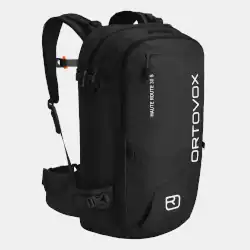
Ortovox HAUTE ROUTE 30 S – Durable Touring Companion
The Ortovox Haute Route 30 s is built for long, demanding days.
Standout features:
- 30L capacity for extended tours
- Waterproof zippers
- Reinforced ski/snowboard carry system
- Comfortable load transfer hip belt
This pack thrives in harsh alpine conditions. If you ride in extreme weather, durability becomes everything — and this one delivers.
Best for: Multi-hour and multi-day tours.
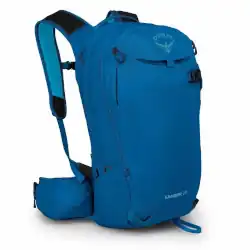
Osprey Kamber 20 – Compact and Functional
The Osprey Kamber 20 focuses on comfort and intuitive layout.
You’ll get:
- Low-profile design
- Backpanel access
- Tool organization pocket
- Stable snowboard carry
It’s a compact solution for riders who don’t want excess weight but still need smart gear separation.
Best for: Minimalist riders and shorter sessions.
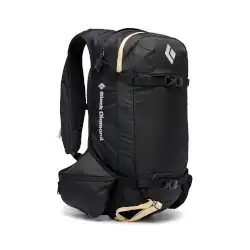
Black Diamond Dawn Patrol 25 – Balanced & Reliable
The Black Diamond Dawn Patrol 25 is a balanced performer across categories.
Features:
- Diagonal carry system
- Dedicated avalanche gear storage
- Durable construction
- Sleek profile
It doesn’t try to reinvent the wheel — it simply executes fundamentals extremely well. Sometimes that’s exactly what you want.
Best for: Riders wanting versatility without complexity.
These seven models represent different riding styles, terrain demands, and safety priorities. That’s why they define the Best Snowboard Backpacks 2026 — not because of flashy branding, but because they perform when conditions get real.
Choose the Right Snowboard Backpack for Your Riding Style
Not every rider needs a 30-liter airbag pack. And not everyone can get away with a minimalist 15-liter setup either. Choosing from the Best Snowboard Backpacks 2026 comes down to one critical factor: how and where you ride.
Let’s dial this in properly.
Resort Riding vs Backcountry Touring
If you spend most of your time lapping lifts at your local resort, your needs are simple:
- Extra layer
- Snacks
- Hydration
- Goggle storage
- Small repair kit
In that case, a 15L–22L pack is more than enough. Lightweight, low-profile designs prevent fatigue and won’t feel awkward on chairlifts. You don’t want a bulky pack throwing off your balance when you’re carving groomers or hitting park features.
Backcountry riders? Completely different story.
Touring demands:
- Shovel
- Probe
- First-aid kit
- Skins
- Extra gloves
- Insulating layers
- Emergency supplies
That means a 25L–35L pack, minimum. And ideally one with dedicated avalanche compartments and structured load transfer. When climbing for hours, comfort and weight distribution aren’t luxuries — they’re necessities.
Day Tours vs Multi-Day Missions
Let’s say you’re heading out for a half-day tour. A 25L pack might be perfect. Enough room for safety gear and essentials, but still streamlined for technical descents.
Planning a long mission or hut trip?
Now you’re looking at:
- More food
- Additional layers
- Overnight gear (if supported)
- Emergency bivy equipment
In that case, lean toward the upper end of capacity. The Best Snowboard Backpacks 2026 include several 30L+ models specifically designed for extended alpine use.
One mistake riders make? Choosing too small and strapping gear externally. That creates imbalance and swing weight. It feels fine standing still — but once you drop in, it’s another story.
Freeride vs Splitboarding
Freeriders who bootpack short distances need:
- Reliable vertical carry
- Fast access to gear
- Stable compression straps
Splitboarders, on the other hand, benefit from:
- A-frame carry systems
- Ice axe loops
- Helmet carry options
- Hydration insulation
Split missions mean more transitions — and organization becomes everything. A poorly designed pocket layout wastes time and energy.
Fit & Torso Length Matter More Than You Think
Here’s something most buyers overlook: torso fit.
Even the Best Snowboard Backpacks 2026 won’t perform well if the back panel length doesn’t match your body. When the hip belt sits too high or too low, weight shifts to your shoulders — leading to fatigue and poor posture.
Look for:
- Adjustable torso systems
- Wide padded hip belts
- Contoured shoulder straps
- Breathable back panels
Try it loaded. Move around. Simulate turns. Lean forward. If it shifts excessively, it’s not the right fit.
Climate & Terrain Considerations
Riding wet coastal snow? Waterproofing becomes a top priority.
Riding cold continental snowpacks? Insulated hydration sleeves matter more.
Tree-heavy terrain? Durable abrasion-resistant fabrics are key.
Open alpine faces? Avalanche compatibility is non-negotiable.
The right backpack aligns with your terrain realities — not just aesthetic preference.
Care, Maintenance & Packing Tips for Snowboard Backpacks
Buying one of the Best Snowboard Backpacks 2026 is only half the equation. How you pack it, maintain it, and store it determines how long it performs at peak level.
Snowboarding is hard on gear. Moisture, cold temperatures, abrasion from edges, tree branches, and chairlift contact all add up. But with smart habits, your backpack can last many seasons without breaking down.
Let’s break it down properly.
Smart Packing Strategy for Maximum Performance
Packing isn’t random — it’s physics.
Here’s the golden rule:
Heaviest items go closest to your spine and centered between your shoulders.
Why? Because weight positioned away from your core creates leverage. That leverage pulls you backward and increases fatigue.
A proper packing structure looks like this:
Closest to back panel
- Water bladder
- Avalanche tools (in designated compartment)
- Dense repair kit
Middle layer
- Extra layers
- Gloves
- Food
Outer / top pockets
- Goggles
- Snacks
- Sunscreen
- Headlamp
Avoid dangling gear externally unless necessary. Strapped-on items shift weight mid-ride and create swing momentum during turns.
Compression straps are your best friend. Tighten them after packing. Then shake the pack. If you feel internal movement, adjust.
A well-packed bag feels like an extension of your body — not a bouncing accessory.
Avalanche Gear Organization Matters
If you ride backcountry terrain, speed matters.
The Best Snowboard Backpacks 2026 include dedicated avalanche compartments for a reason. Never mix safety tools with clothing.
Your shovel and probe should:
- Sit in a separate quick-access pocket
- Be assembled-ready
- Stay dry and unobstructed
In an emergency, seconds matter. You don’t want to dig through gloves and energy bars.
Also — practice deployment. Yes, seriously. Rehearse pulling gear out quickly. Familiarity reduces panic response.
Cleaning & Moisture Management
Snow melts. Ice melts. Sweat builds up.
If you toss your pack into the garage soaking wet, mildew and fabric breakdown are inevitable.
After every ride:
- Empty all compartments
- Open every zipper
- Air dry completely
- Remove hydration reservoir
Once a season:
- Hand wash with mild soap
- Rinse thoroughly
- Air dry (never machine dry)
Avoid harsh detergents. They degrade waterproof coatings.
Zippers, Straps & Stitching Inspection
Cold weather stresses materials.
Inspect regularly:
- Zippers for ice damage
- Strap anchors for fraying
- Buckles for cracks
- Back panel seams
Catching small issues early prevents catastrophic failures in the mountains.
Pro tip: lubricate zippers lightly with zipper-specific lubricant before the season starts. It keeps them gliding smoothly in freezing temps.
Off-Season Storage
When winter ends:
- Clean thoroughly
- Dry completely
- Store in a cool, dry place
- Avoid compressing it under heavy objects
Sunlight degrades fabrics over time. Keep it shaded.
A properly stored pack will look almost new when the next season hits.
Final Word: Choosing the Right Pack Changes Everything
The truth is simple — the right backpack doesn’t just carry your gear. It changes how you ride.
The Best Snowboard Backpacks 2026 are lighter, smarter, safer, and more ergonomic than ever before. But the “best” option isn’t universal. It depends entirely on your terrain, riding frequency, safety requirements, and personal comfort preferences.
If you ride mostly resort laps, a streamlined 20L pack will likely serve you perfectly. If you venture into avalanche terrain, an airbag-equipped 25L–30L pack is worth serious consideration. If you’re logging long touring days, comfort and load transfer should be your top priorities.
Here’s what separates smart buyers from impulsive ones:
- They match capacity to mission length
- They prioritize fit over brand hype
- They understand safety gear access matters
- They consider weight distribution carefully
- They maintain their gear properly
A snowboard backpack isn’t just storage — it’s performance infrastructure. When weight sits correctly on your back, when gear is organized efficiently, when safety tools are instantly accessible — your confidence increases. And when confidence increases, your riding improves.
That’s the real transformation.
The Best Snowboard Backpacks 2026 represent a shift toward intentional design. Minimal bulk. Maximum efficiency. Integrated safety. Durable construction.
Choose wisely, pack smart, maintain consistently — and your backpack will support every line you drop this season.
Frequently Asked Questions (FAQ)
What size snowboard backpack is best for resort riding?
For resort riding, a 15L–22L backpack is typically ideal. It carries essentials like water, snacks, and an extra layer without adding unnecessary bulk. Larger packs can feel heavy and awkward on chairlifts.
Are avalanche airbag backpacks worth it?
If you ride in avalanche terrain, yes. Airbag backpacks significantly increase survival odds in certain avalanche scenarios. However, they do not replace proper avalanche education, terrain assessment, and decision-making skills.
How much weight should a snowboard backpack carry?
Ideally, your loaded pack should stay under 10–15% of your body weight. Excessive weight causes fatigue, impacts balance, and reduces performance on descents.
Can I use a ski backpack for snowboarding?
Yes, many ski backpacks are compatible with snowboarding. However, snowboard-specific packs often feature better vertical carry systems and optimized strap placement for snowboarders.
How long do snowboard backpacks typically last?
With proper care, high-quality snowboard backpacks can last 5–8 seasons or more. Durability depends on material quality, usage intensity, and maintenance habits.
Do I really need a dedicated avalanche tool compartment?
If you ride backcountry terrain, absolutely. Separate compartments allow faster access to shovel and probe during emergencies. Mixing safety tools with clothing wastes critical time.
What’s the most important feature in the Best Snowboard Backpacks 2026?
Fit and load distribution. Even the most advanced pack will perform poorly if it doesn’t align with your torso length and riding style.

by: T. Belleau
Health and sports are at the heart of Trisha’s writing passion. An avid cyclist, mountain biker, and e-biker, she brings firsthand experience and genuine excitement to her sports-related articles. Trisha’s love for the outdoors extends… read more