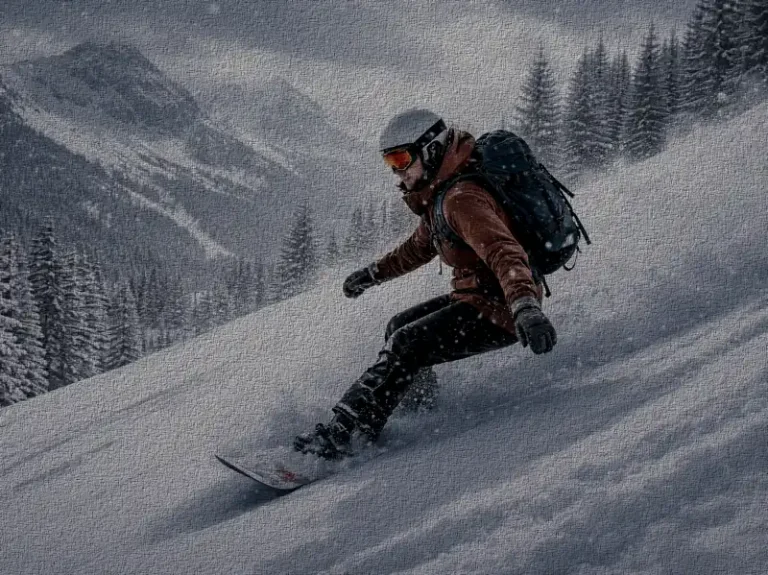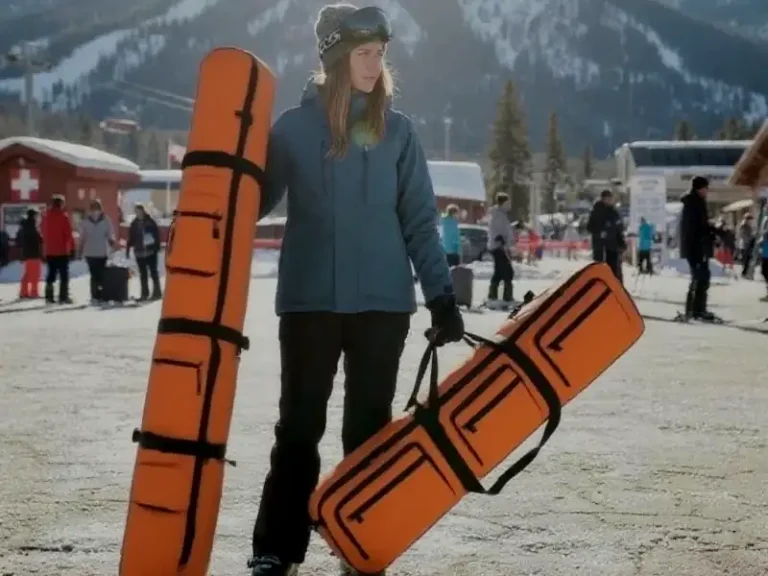
Snowboard Backpacks for Splitboarding
What Is Splitboarding and Why You Need the Right Backpack
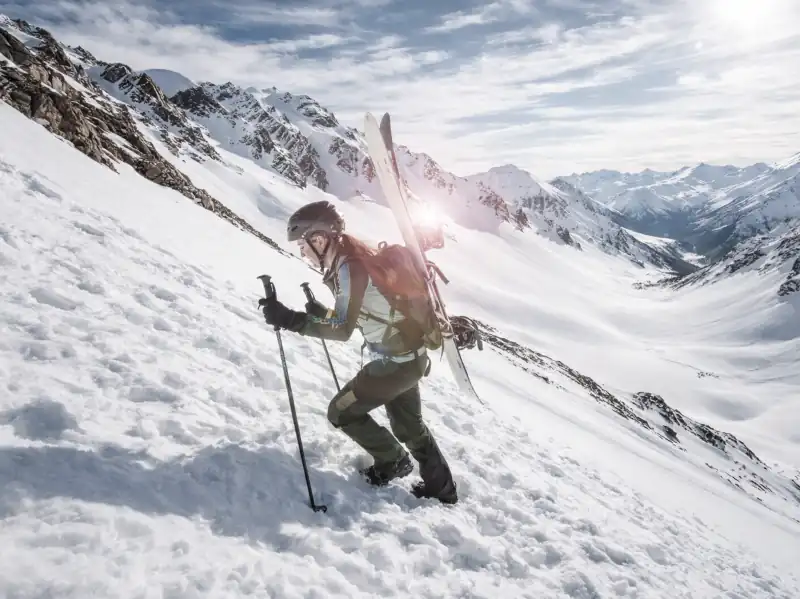
Splitboarding is the perfect blend of freedom and exploration—half snowboarding, half backcountry touring. A splitboard separates into skis for uphill travel, then reconnects for downhill riding. While the sport offers unparalleled adventure, it demands specialized gear—especially your backpack.
A snowboard backpack for splitboarding isn’t just for carrying snacks or a camera; it’s a lifeline. It stores avalanche safety tools, hydration systems, spare layers, carries your splitboard and more. A poorly designed pack can ruin your climb, while the right one enhances safety, balance, and comfort all day long.
Understanding Splitboarding Essentials
Splitboarders often venture far from groomed trails, facing rugged terrain, steep ascents, and unpredictable weather. Essential gear includes skins, avalanche transceivers, shovels, probes, and hydration systems—all requiring efficient storage and quick access. That’s where a dedicated splitboarding backpack becomes indispensable.
Why a Regular Snowboard Backpack Isn’t Enough
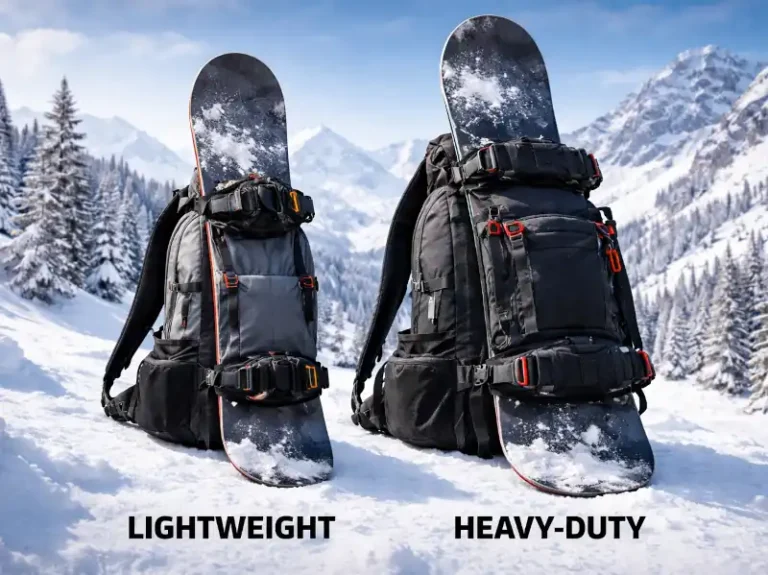
A standard snowboarding pack is designed for resort use—short rides, minimal gear, and lift access. Splitboarding backpacks, however, are engineered for backcountry performance. They include:
- Avalanche tool compartments
- Ski/splitboard carry systems
- Reinforced hip belts
- Breathable suspension panels
- Emergency whistle and ice tool loops
These distinctions can literally make or break your backcountry experience.
Key Features to Look for in Splitboarding Backpacks
Not all backpacks are built equal. Here are the critical features to prioritize before hitting the slopes:
1. Avalanche Safety Gear Compatibility
Choose a backpack with a dedicated avalanche gear pocket for your shovel and probe. Many models like the Dakine Poacher RAS 36L also support airbag systems for extra protection.
2. Ergonomic Fit and Suspension System
Comfort matters during long ascents. Look for adjustable straps, a sturdy hip belt, and ventilated back panels. A balanced pack minimizes fatigue and helps maintain agility.
3. Splitboard Carry Options and Straps
Splitboarders often need multiple carry configurations (A-frame, vertical, or diagonal). The Jones DSCNT 32L stands out for its versatile carry system, optimized for splitboard shape and balance.
4. Hydration Compatibility and Accessibility
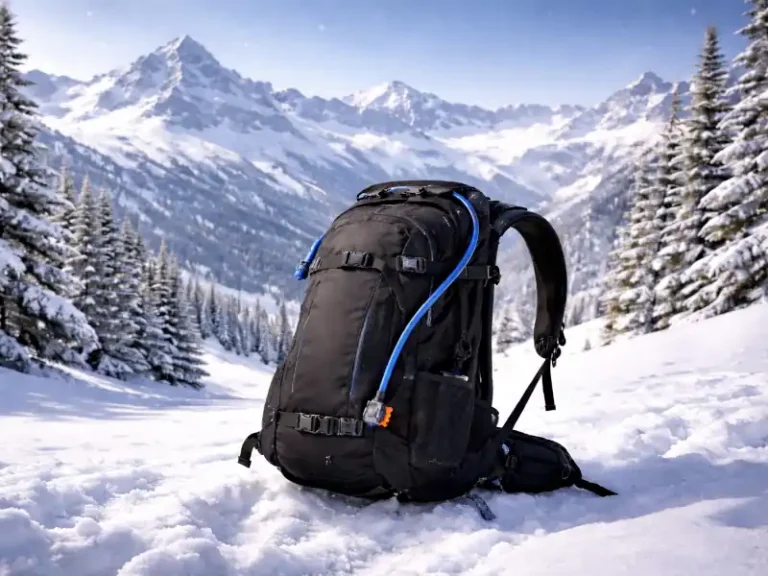
A hydration bladder compartment with insulated sleeves keeps water from freezing. Easy tube routing allows quick access without unpacking mid-ascent.
5. Storage Organization and Tool Pockets
Organized compartments for skins, goggles, snacks, and layers reduce clutter and improve safety in critical situations.
Snowboard Backpacks for Splitboarding in 2026
Dakine Poacher RAS 36L
- Capacity: 36L
- Highlights: Airbag compatibility, insulated hydration sleeve, large avy tool pocket
- Best For: Backcountry riders who prioritize avalanche safety
Osprey Soelden Pro 32
- Capacity: 32L
- Highlights: Lightweight design, recycled materials, and ergonomic fit
- Best For: Long tours where comfort and sustainability matter
Jones DSCNT 32L
- Capacity: 32L
- Highlights: Eco-friendly construction, multiple board-carry options, dual ice axe loops
- Best For: Environment-conscious riders tackling variable terrain
How to Pack a Splitboarding Backpack
Packing smart ensures balance and quick access during emergencies.
Safety Gear Placement
Store your avalanche shovel and probe in the designated avy pocket—never at the bottom of your bag.
Weight Distribution Tips
Heavier items like water, tools, and layers should sit close to your spine for stability. Lighter items like gloves or snacks can go up top.
Emergency Essentials Checklist
Avalanche beacon
Extra gloves & layers
First aid kit
Repair kit & multi-tool
Snacks & hydration system
Maintenance & Care for Your Backpack
After each tour, shake off snow and let the backpack dry naturally. Wash gently with mild soap and a damp cloth. Regularly inspect zippers, buckles, and straps for wear, especially if carrying avalanche gear.
FAQs About Snowboard Backpacks for Splitboarding
Q1: Can I use a ski touring backpack for splitboarding?
Yes, many ski touring packs work for splitboarding if they include snowboard carry options.
Q2: How big should my splitboarding backpack be?
Most riders prefer 25–36 liters, depending on trip length and gear volume.
Q3: Are airbag systems worth it?
Absolutely—they can be life-saving in avalanche conditions, especially for frequent backcountry riders.
Q4: What’s the difference between hydration-compatible and insulated packs?
Hydration-compatible packs include a sleeve; insulated ones prevent the hose from freezing.
Q5: Should I pack skins inside or outside my backpack?
Inside, but separate from dry gear to prevent moisture buildup.
Q6: What’s the most durable backpack material for snowboarding?
Look for ripstop nylon or 420D high-tenacity fabric, which resist tears and moisture.
Final Thoughts:
Choosing the Right Splitboarding Backpack for Your Adventure
Choosing the best snowboard backpack for splitboarding comes down to comfort, safety, and organization. Whether you prioritize avalanche readiness with the Dakine Poacher RAS 36L or sustainability with the Jones DSCNT 32L, investing in a dedicated pack ensures a safer and more enjoyable backcountry experience.
For more expert tips on splitboarding safety and gear maintenance, visit the American Avalanche Association.

by: Ray Pember
Ray is an experienced wordsmith who has dived deep into various niches. With over two decades under his belt, he knows a thing or two about staying afloat in this ever-evolving digital world… read more