What Size Snowboard Backpack Do I Need?
The Ultimate Guide to Choosing the Right Fit
Finding the perfect snowboard backpack is about more than just picking something stylish or affordable—it’s about getting the right size to fit your needs on the slopes. Whether you’re heading out for a quick day ride or embarking on a multi-day backcountry adventure, the size of your snowboard backpack determines how comfortable, efficient, and safe your experience will be.
In this guide, we’ll cover everything you need to know about choosing the right snowboard backpack size, from capacity and fit to essential features and gear organization.
Understanding Snowboard Backpack Sizes
Before choosing the ideal size, it’s important to understand how snowboard backpacks are categorized. Generally, backpack sizes are measured in liters (L), which indicate storage capacity. Here’s a simple breakdown:
- Small (10–20L): Ideal for resort riding or short trips where minimal gear is needed.
- Medium (20–30L): Perfect for all-day excursions with extra gear, snacks, and safety equipment.
- Large (30–45L): Designed for backcountry or multi-day trips requiring avalanche gear, food, and extra clothing.
The right size depends on how much equipment you need to carry and how long you’ll be riding.
Day Riding vs. Backcountry Riding
Your riding style has a major impact on the backpack size you’ll need.
One. Day Riding at the Resort
If you’re mostly snowboarding on groomed runs or within the resort boundaries, you won’t likely need a large pack. A 10–20L backpack is perfect for carrying the essentials:
- Water bottle or hydration bladder
- Snacks
- Goggles or extra lenses
- Small repair kit
- Lightweight jacket or layer
Daypacks are designed to be compact, lightweight, and easy to maneuver on chairlifts.
Two. Backcountry Riding
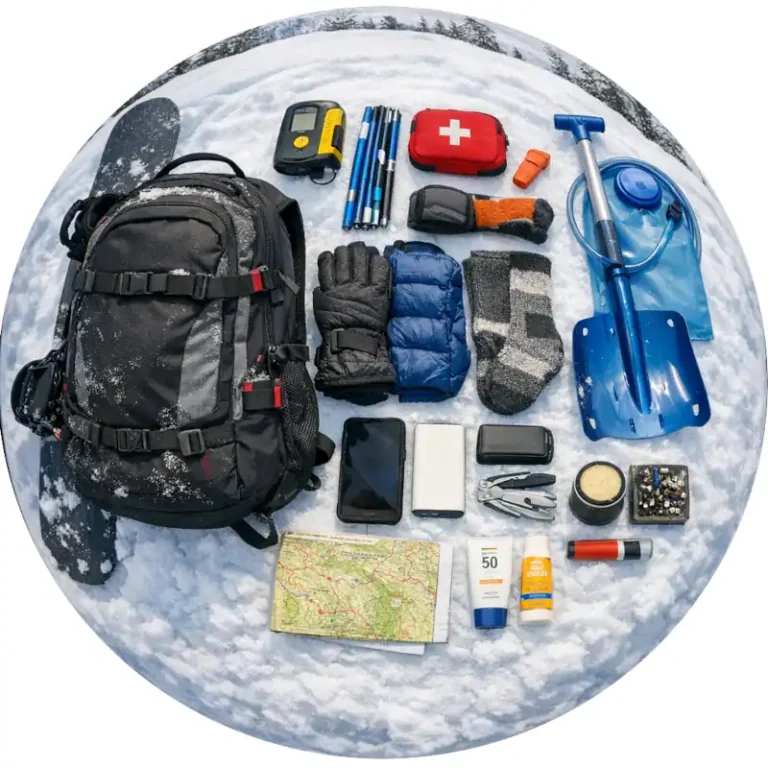
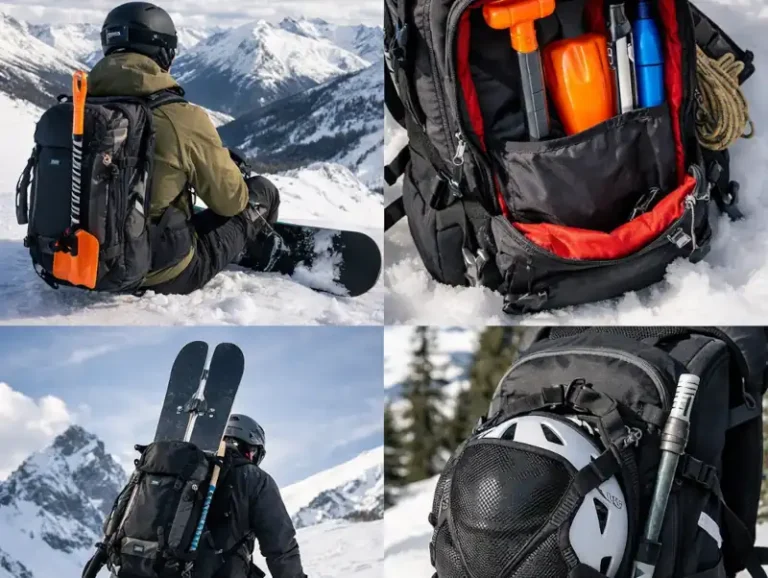
For those venturing into the backcountry, safety and preparedness come first. A 25–35L backpack is the sweet spot for single-day off-piste adventures. You’ll need to carry:
- Avalanche gear (shovel, probe, beacon)
- Extra layers and gloves
- Food and hydration
- Helmet or skins
- First-aid and emergency tools
If you’re planning an overnight trip, consider going up to 40–45L for extra room.
How to Measure the Right Backpack Size for Your Body
The pack’s volume isn’t the only factor—fit matters just as much. A poorly fitted snowboard backpack can throw off your balance and strain your shoulders. Here’s what to look for:
- Torso Length: Most packs come in adjustable or fixed torso lengths. Measure the distance between your C7 vertebra (the base of your neck) and the top of your hip bones.
- Hip Belt Fit: The hip belt should sit snugly around your hips, not your waist. This helps transfer weight from your shoulders to your lower body.
- Shoulder Straps: Choose padded, adjustable straps that contour comfortably to your shoulders without digging in.
- Chest Strap: A sternum strap helps stabilize your load, especially when turning or jumping.
When trying on backpacks, load them with some weight to simulate real use. A properly fitted pack will feel stable, centered, and supportive.
Essential Features to Look For in a Snowboard Backpack
Beyond size and fit, snowboard backpacks come with specific features designed for snow conditions. Here are key elements to look for when choosing your ideal pack:
1. Snowboard Carry System
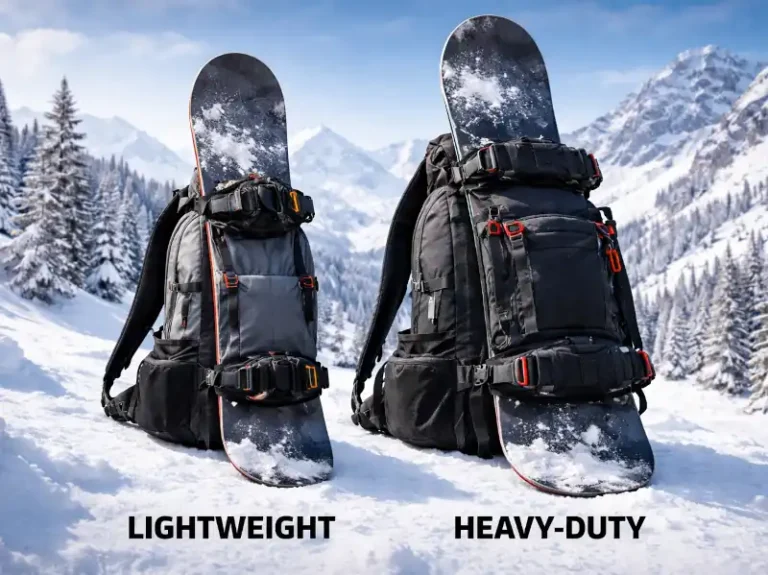
Look for vertical or diagonal board-carry systems that keep your snowboard secure and balanced. Vertical systems are more common for resort use, while diagonal ones work well for backcountry climbs.
2. Hydration Compatibility
Hydration sleeves and insulated hose routing help keep water from freezing during cold-weather rides.
3. Avalanche Gear Storage
Dedicated compartments for avalanche tools like probes and shovels are crucial for safety in the backcountry.
4. Helmet Carry
Some backpacks include detachable helmet carriers, allowing you to save space when not riding.
5. Back Panel Access
This feature allows you to reach your gear without removing your snowboard from the front straps—a huge time saver on the slopes.
6. Compression Straps
Compression straps reduce bulk and help stabilize your pack, keeping it compact and close to your body.
7. Weatherproofing
Snowboarding means exposure to snow and moisture. Choose a water-resistant or waterproof material with sealed zippers and a durable outer shell.
Snowboard Backpack Size Recommendations by Use
Here’s a quick reference table to help you pick the perfect size:
| Riding Type | Recommended Size | Key Items to Carry |
|---|---|---|
| Resort/Day Riding | 10–20L | Snacks, water, goggles, layers |
| Backcountry Day Trip | 20–30L | Avalanche gear, food, extra clothing |
| Multi-Day/Overnight | 30–45L | Sleeping gear, stove, food, safety tools |
Note: This guide should give you a strong baseline, but remember—your comfort and specific needs always come first.
How to Pack a Snowboard Backpack Efficiently
Packing efficiently is as important as choosing the right size. The goal is to balance weight and ensure easy access to critical gear. Here’s how to do it right:
- Heavy Items Close to Your Back: Place dense items like water or avalanche tools near your spine to maintain balance.
- Light Items on Top: Store lighter gear, such as clothing or snacks, higher up for easy access.
- Keep Essentials Accessible: Items like goggles, gloves, or maps should go in outer or top pockets.
- Distribute Weight Evenly: Avoid uneven loads that could pull your body off balance during rides.
- Use Straps Wisely: Tighten compression straps after packing to minimize shifting.
A well-packed snowboard backpack can significantly reduce fatigue and increase control while riding.
Common Mistakes When Choosing Backpack Size
Even experienced riders can misjudge what they need. Avoid these common pitfalls:
- Going Too Big: A large pack can feel bulky and throw off your balance during quick movements.
- Going Too Small: A small pack might not fit essential gear, forcing you to leave important items behind.
- Ignoring Fit: The right size volume won’t help if the pack doesn’t fit your body properly.
- Skipping Key Features: Don’t overlook safety-oriented features like avalanche gear storage if you’re heading into the backcountry.
Top Snowboard Backpack Brands to Consider
While size is your main focus, brand quality matters too. Some reputable snowboard backpack brands include:
- Dakine: Known for durability and rider-friendly designs.
- Osprey Packs: Excellent ergonomic support and hydration systems.
- Burton Snowboards: Offers stylish, functional options for both resort and backcountry riders.
- Deuter: Great fit options with superior comfort.
- Black Diamond Equipment: Ideal for serious backcountry riders seeking technical performance.
Each brand has varying models catering to specific needs, so review specifications carefully before purchasing.
Choosing the Right Capacity for Your Adventure
Your snowboarding destination and riding intensity should dictate your backpack capacity:
- Short Resort Trips: 10–15L is sufficient for casual days.
- Half-Day Backcountry Trips: 20–25L works well for short ascents.
- Full-Day Backcountry Adventures: 25–35L ensures space for avalanche safety gear and food.
- Multi-Day Expeditions: 40–45L is the sweet spot for overnight trips with camping gear.
If you’re uncertain, err on the slightly larger side—it’s better to have a little extra room than not enough.
Maintenance and Care Tips for Snowboard Backpacks
Your backpack faces snow, ice, sweat, and abrasion. Proper care extends its life and ensures it performs well:
- Dry It After Every Trip: Hang it in a ventilated area; never store it wet.
- Clean with Mild Soap: Avoid harsh detergents that can weaken waterproof coatings.
- Inspect Zippers and Straps: Replace broken buckles or worn straps early.
- Store Properly: Keep in a cool, dry place away from sunlight.
Taking a few minutes to maintain your gear ensures it’s ready whenever adventure calls.
FAQs About Snowboard Backpack Sizes
1. Can I use a hiking backpack for snowboarding?
Yes, but it’s not ideal. Snowboard-specific packs have features like snowboard carry straps, insulated hydration sleeves, and snow-shedding materials designed for winter conditions.
2. Is a 20L backpack big enough for backcountry snowboarding?
It can be, depending on your gear. For short day trips with minimal avalanche gear, 20L may work, but 25–30L is safer for most riders.
3. What’s the most comfortable snowboard backpack size?
Comfort depends on fit rather than size, but most riders find 20–30L packs to be the most balanced and versatile.
4. Should I get a men’s or women’s specific snowboard backpack?
Yes, if available. Women’s models often have shorter torso lengths and contoured straps that fit better for improved comfort.
5. How do I know if my backpack is too heavy?
If it causes shoulder strain or affects your turns, it’s likely overloaded. Keep your total pack weight under 20% of your body weight.
6. Do I need an avalanche airbag system in my backpack?
If you’re venturing into avalanche-prone backcountry terrain, yes. Airbag-compatible packs can improve safety in emergencies.
Final Word on Choosing Snowboard Backpack Size
Selecting the right snowboard backpack size comes down to your riding style, trip length, and safety needs. For most riders, a 20–30L pack offers the perfect balance between space and mobility. However, if you’re heading into deep backcountry or overnight expeditions, consider 35–45L for maximum capacity.
Prioritize fit, features, and comfort as much as volume. A well-sized snowboard backpack doesn’t just carry your gear—it enhances your performance, keeps you safe, and lets you focus on what matters most: the ride.

by: T. Belleau
Health and sports are at the heart of Trisha’s writing passion. An avid cyclist, mountain biker, and e-biker, she brings firsthand experience and genuine excitement to her sports-related articles. Trisha’s love for the outdoors extends… read more