Are Snowboard Backpacks Waterproof?
The Truth Every Rider Should Know
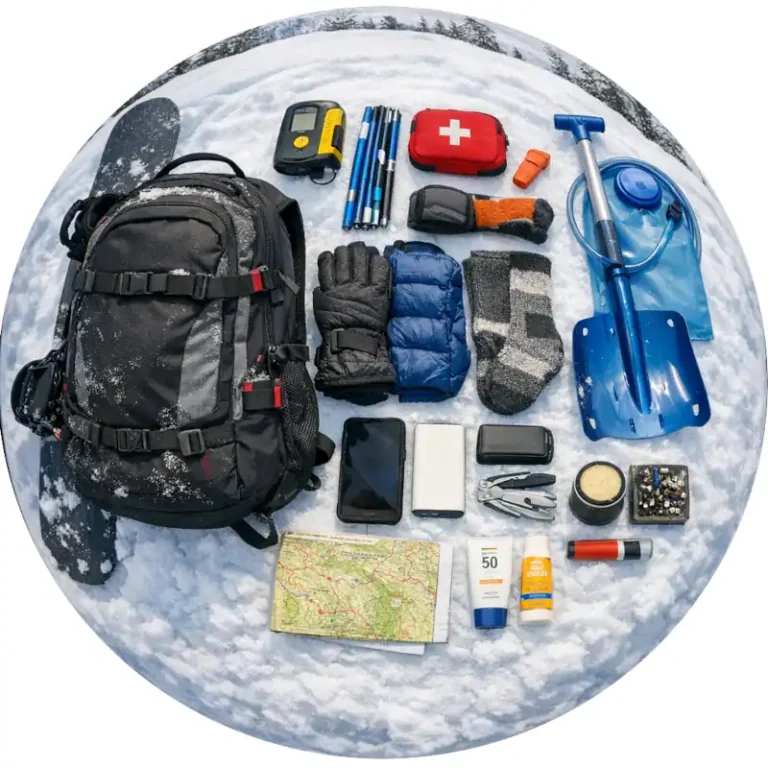
When you’re carving down powdery slopes or trekking through alpine trails, your backpack is more than just an accessory—it’s your lifeline. It holds your essentials: snacks, body fuel, extra layers, goggles, water, and sometimes even avalanche gear. But there’s one critical question every rider asks before strapping in: Are snowboard backpacks waterproof?
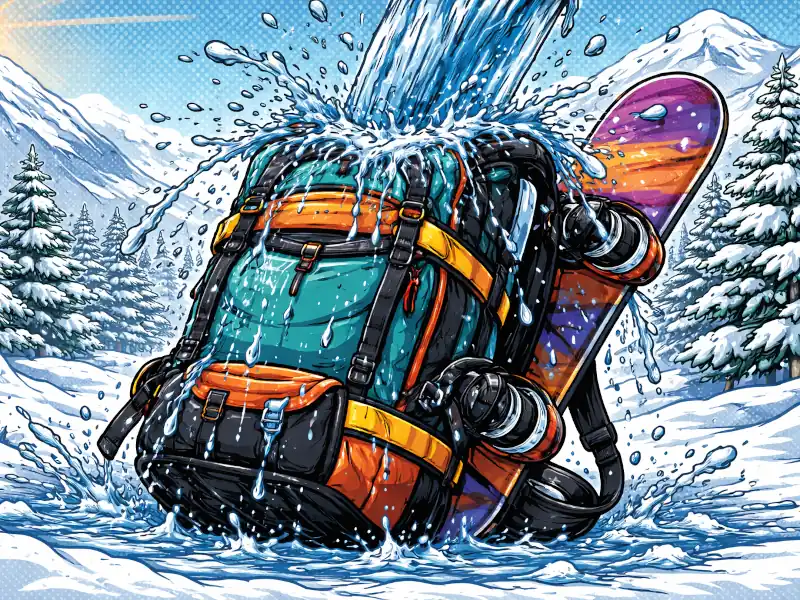
The short answer: not all snowboard backpacks are truly waterproof—but many are designed to be highly water-resistant or even weatherproof, depending on their build, materials, and intended use. This guide breaks down everything you need to know about waterproof snowboard backpacks, including how to tell the difference, what to look for, and how to keep your gear dry in the harshest winter conditions.
Understanding Waterproof vs. Water-Resistant Backpacks
One of the most common misconceptions in outdoor gear is the assumption that “waterproof” and “water-resistant” mean the same thing. They don’t.
Water-resistant backpacks can handle light snow, mist, or brief contact with moisture, but they aren’t built for prolonged exposure to wet conditions.
Waterproof backpacks, on the other hand, are designed with specialized materials, coatings, and sealed seams to keep water completely out—even in heavy rain or deep snow.
To identify a true waterproof snowboard backpack, check for:
- Sealed or welded seams (not stitched)
- Waterproof zippers or roll-top closures
- Materials like PVC, TPU-coated nylon, or tarpaulin
- Hydrostatic head rating (typically 10,000mm or higher for waterproof performance)
How Waterproofing Works in Snowboard Backpacks
The waterproofing of a snowboard backpack depends primarily on the materials and construction.
1. Durable Water Repellent (DWR) Coatings:
Most high-end snowboard backpacks are coated with a DWR finish that repels moisture. Snow and light rain bead up and roll off instead of soaking into the fabric. However, DWR coatings wear off over time and may need to be reapplied.
2. Waterproof Liners:
Some brands use waterproof liners or internal compartments to protect electronics and essentials from moisture—even if the outer layer gets damp.
3. Sealed Seams and Zippers:
Stitched seams create tiny holes where water can seep in. Waterproof backpacks eliminate this issue by using welded seams and water-sealed zippers, ensuring complete protection.
4. Roll-Top Closures:
Roll-top designs, similar to dry bags used in kayaking, are one of the most reliable closures for waterproofing. When rolled tightly, they prevent snow and rain from entering the main compartment.
When Do You Actually Need a Waterproof Snowboard Backpack?
Not every snowboarder needs a fully waterproof backpack. Your choice depends on where and how you ride.
You’ll need a waterproof backpack if:
- You often ride in wet or slushy snow conditions.
- You go on backcountry expeditions or splitboarding trips.
- You carry electronics, such as cameras, drones, or phones.
- You anticipate falling or sitting in deep snow frequently.
You can settle for a water-resistant backpack if:
- You ride mainly in dry, cold powder.
- You take short sessions near resorts.
- You only carry non-sensitive gear (like snacks, water, or gloves).
Popular Waterproof Materials Used in Snowboard Backpacks
When choosing a snowboard backpack, it’s essential to understand what the materials offer in terms of water protection:
|
Material |
Waterproof Rating |
Durability |
Common Use |
|---|---|---|---|
|
PVC (Polyvinyl Chloride) |
100% waterproof |
Very high |
Heavy-duty waterproof packs |
|
TPU-coated Nylon |
Highly waterproof |
High |
Technical and backcountry packs |
|
Ripstop Nylon |
Water-resistant (unless coated) |
Medium |
Lightweight day packs |
|
Polyester with DWR |
Lightly water-resistant |
Medium |
Everyday snowboarding packs |
If maximum waterproof protection is your priority, PVC or TPU-coated nylon is your best bet.
Top Features to Look for in a Waterproof Snowboard Backpack
Not all waterproof backpacks are built the same. Here are the key features to consider when buying one:
- Waterproof or water-sealed zippers – prevent leaks around closures.
- Roll-top design – keeps out moisture more effectively than zippers.
- Compression straps – reduce bulk and keep the backpack tight against your body.
- Hydration compatibility – allows you to carry water without risking leaks.
- Snow-specific compartments – like goggle pockets, helmet straps, or avalanche gear sections.
- Breathable back panel – keeps moisture (from sweat) under control.
Brands Known for Waterproof Snowboard Backpacks
Some outdoor and snowboarding brands are renowned for their superior waterproofing technology. Consider these names when shopping:
- Burton – Durable, weatherproof snow packs with multiple organization options.
- Dakine – Offers both water-resistant and waterproof snowboard backpacks.
- Ortovox – Excellent waterproofing for backcountry and avalanche gear.
- The North Face – Weatherproof models built for extreme conditions.
- Patagonia – Environmentally friendly materials with strong water resistance.
Caring for Your Waterproof Snowboard Backpack
Even the best waterproof backpack requires care to maintain performance. Here’s how to keep it in top condition:
- Clean regularly with mild soap and cold water to remove salt and grime.
- Avoid machine washing, which can damage coatings and seams.
- Reapply DWR spray every season for added protection.
- Store in a cool, dry place to prevent mold or material degradation.
- Inspect seams and zippers periodically for wear or damage.
Common Myths About Waterproof Snowboard Backpacks
Myth 1: All snowboard backpacks are waterproof.
False. Many are only water-resistant and can’t withstand prolonged moisture.
Myth 2: Waterproof means submersible.
Not necessarily. A waterproof backpack can handle snow and rain, but not full underwater immersion.
Myth 3: Any coating makes a backpack waterproof.
Incorrect. Coatings help, but full waterproofing requires sealed seams and zippers.
Myth 4: Once waterproof, always waterproof.
DWR coatings degrade over time and must be reapplied for consistent performance.
How to Improve the Waterproofing of a Regular Backpack
If you already own a snowboard backpack that isn’t fully waterproof, you can still boost its protection:
- Use waterproof spray coatings on the exterior fabric.
- Add a rain cover designed for snow or mountain packs.
- Store sensitive gear in dry bags or ziplock pouches inside your backpack.
- Avoid placing wet items inside, which can cause internal condensation.
FAQs About Snowboard Backpacks and Waterproofing
1. Are all snowboard backpacks waterproof?
No. Most are water-resistant, not fully waterproof. Only specific models use materials and construction that guarantee waterproofing.
2. How can I tell if my snowboard backpack is waterproof?
Check the product label or manufacturer’s specifications for terms like “waterproof fabric,” “sealed seams,” or “roll-top closure.”
3. Can I make my regular snowboard backpack waterproof?
Yes, using waterproof sprays, internal dry bags, and rain covers can improve protection against moisture.
4. Are waterproof backpacks heavier?
Typically, yes. The added layers and coated materials make them slightly heavier but more durable.
5. Do waterproof backpacks need maintenance?
Absolutely. Reapply DWR coatings regularly and clean the backpack gently to maintain its water-repellent features.
6. Can I submerge a waterproof snowboard backpack in water?
Not recommended. Most are designed to repel snow and rain, not complete underwater immersion.
The Bottom Line
So, are snowboard backpacks waterproof? The truth is—it depends on the make and materials. While most standard snowboarding backpacks are water-resistant and can handle moderate snow exposure, only select models with sealed seams, waterproof zippers, and specialized fabrics are truly waterproof.
If you’re a backcountry adventurer or frequently ride in wet snow conditions, investing in a waterproof snowboard backpack is worth every penny. It keeps your gear dry, your electronics safe, and your mind at ease so you can focus on what really matters—riding the mountain.

by: Blair Fontana
A versatile freelance content creator known for her engaging writing style and diverse range of interests. Blair has carved out a niche in lifestyle writing, captivating her audience with insightful articles… read more