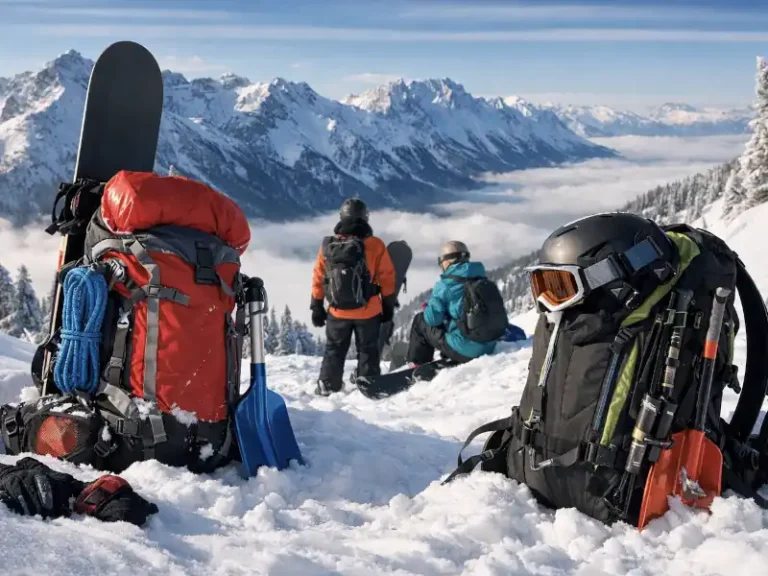
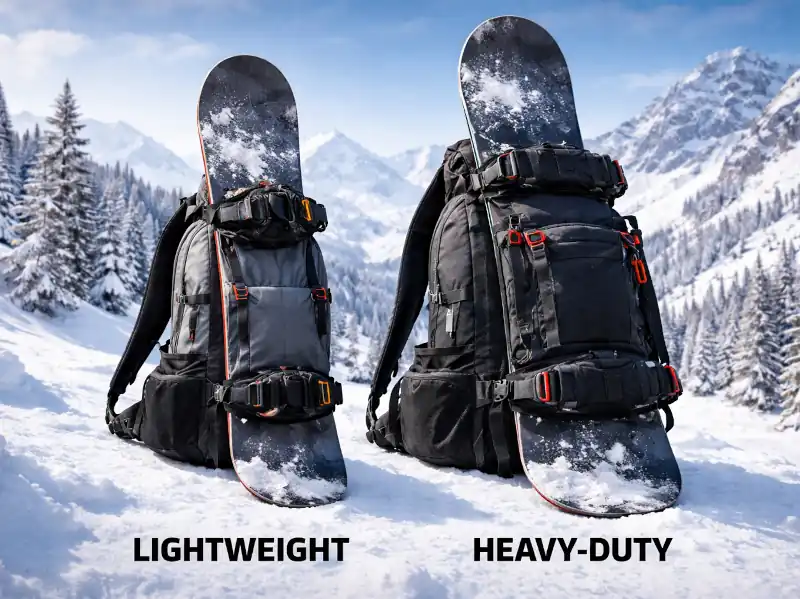
Lightweight vs Heavy-Duty Snowboard Backpacks
A Comparison Guide. Intro…
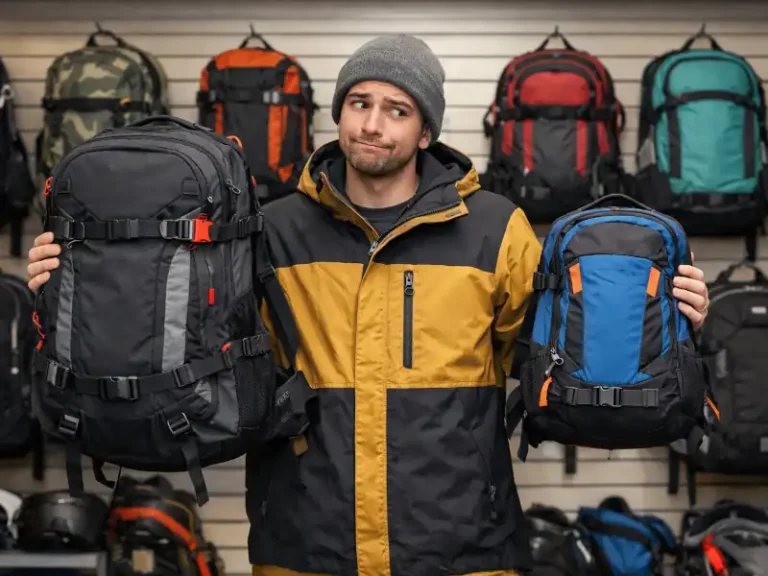
Choosing the right snowboard backpack can be as crucial as picking your board or bindings. Whether you’re carving down powdery slopes, hiking to remote backcountry lines, or riding through a terrain park, your backpack is your essential partner. The choice between lightweight vs heavy-duty snowboard backpacks defines not only how much you can carry but also your freedom of movement and comfort on the mountain.
In this guide, we’ll dive deep into the pros and cons, materials, durability, comfort, and best use cases for each type to help you find the perfect pack for your winter adventures.
Understanding the Purpose of Snowboard Backpacks
Snowboard backpacks are designed to carry your mountain essentials—tools, hydration, safety gear, snacks, and extra layers—without restricting mobility. But not all backpacks are built the same.
Broadly speaking, snowboard packs can be placed into two main categories:
- Lightweight Snowboard Backpacks – Minimalist, compact, and designed for short sessions or resort riding.
- Heavy-Duty Snowboard Backpacks – Rugged, feature-rich, and ideal for backcountry, long treks, or multi-day trips.
Your riding style, trip length, and terrain determine which one suits you best. Let’s explore how each type performs in real-world conditions.
What Defines a Lightweight Snowboard Backpack?
Lightweight snowboard backpacks typically weigh less than 1.5 lbs (700 g) and prioritize freedom of movement over storage. They’re perfect for riders who spend their days on groomed runs or short hikes.
Key Features of Lightweight Backpacks
- Compact design: Small profile minimizes drag and bulk.
- Streamlined storage: 10–20 liters of capacity—enough for a hydration bladder, tools, and a snack.
- Minimalist construction: Often made of ripstop nylon or polyester with water-resistant coatings.
- Breathable back panels: Prevent overheating during active rides.
When to Choose Lightweight
Opt for a lightweight pack when:
- You’re mostly resort riding.
- You only need essentials like goggles, snacks, and a repair kit.
- You value agility and minimal weight over gear storage.
What Defines a Heavy-Duty Snowboard Backpack?
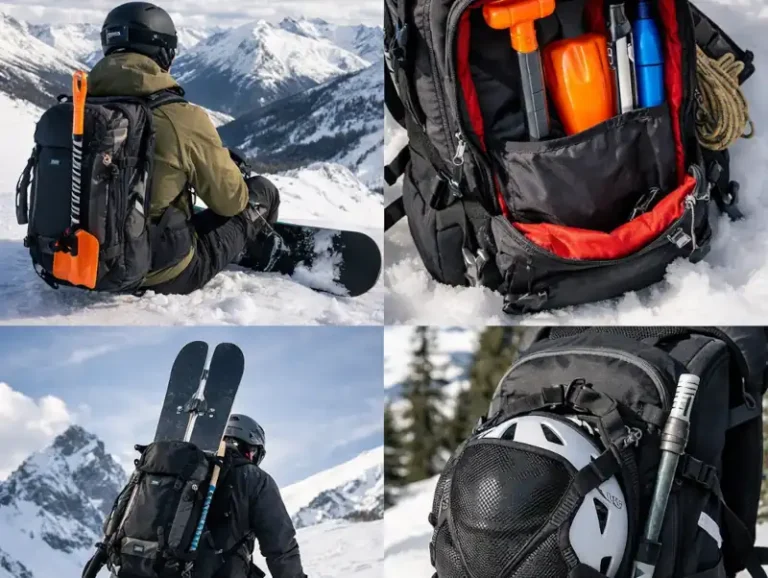
Heavy-duty snowboard backpacks are built for serious riders on longer excursions and backcountry explorers. They can carry avalanche gear, extra layers, food, and even mountaineering tools.
Key Features of Heavy-Duty Backpacks
- Large capacity: Typically 25–40 liters, offering ample storage.
- Reinforced structure: Tough materials like Cordura, ballistic nylon, and heavy-duty zippers.
- Specialized compartments: For shovels, probes, radios, and snow gear.
- Integrated safety features: Some models include airbags or hydration systems.
- Attachment points: For helmets, snowboards, and ice axes.
When to Choose Heavy-Duty
Choose heavy-duty models when:
- You’re riding off-piste or in the backcountry.
- You need to carry safety gear and layers for changing weather.
- You value durability, versatility, and stability under load.
Weight and Comfort: The Balancing Act
Weight plays a massive role in your riding experience. A lighter backpack allows more fluid movement, especially for freestyle riders or beginners.
Lightweight Pack Comfort
- Feels almost invisible on your back.
- Great for all-day park laps or short slope sessions.
- Minimal shoulder strain.
Heavy-Duty Pack Comfort
- Padded hip and chest straps distribute weight evenly.
- Ergonomic designs prevent fatigue during long treks.
- May feel bulky for casual riders but essential for long days in remote areas.
Ultimately, comfort depends on fit, not just weight. Always try your pack while wearing your snow gear before heading out.
Storage Capacity and Organization
The main difference between lightweight and heavy-duty packs lies in capacity and compartmentalization.
| Feature | Lightweight Backpack | Heavy-Duty Backpack |
|---|---|---|
| Capacity | 10–20 liters | 25–40 liters |
| Gear Storage | Minimal | Multiple compartments |
| Hydration | Usually optional | Often built-in |
| Tool Organization | Basic | Advanced (avalanche gear compatible) |
| Board Carry System | Sometimes included | Always included |
| Helmet Holder | Rare | Common |
If you ride only for a few hours, extra storage is unnecessary. But for full-day or multi-day excursions, every liter counts.
Durability and Material Quality
Durability is where heavy-duty backpacks dominate. These packs are constructed from reinforced materials designed to withstand abrasion, cold, and moisture.
Heavy-Duty Backpack Materials
- Cordura Nylon: Extremely abrasion-resistant and durable.
- Ballistic Polyester: Offers tear resistance and long lifespan.
- Waterproof coatings (PU/DWR): Protects from snow and rain.
Lightweight Backpack Materials
- Ripstop Nylon: Strong yet featherlight.
- Thin Polyester Blends: Ideal for minimalists but less durable.
If you’re rough on your gear or often ride in challenging conditions, the investment in a heavy-duty pack pays off in longevity.
Safety and Protection Features
Heavy-duty snowboard backpacks often integrate avalanche safety systems, while lightweight ones prioritize simplicity.
Heavy-Duty Safety Inclusions
- Avalanche airbag compatibility.
- Dedicated pockets for probes and shovels.
- Compression straps for stability.
- Reflective detailing for visibility.
Lightweight Safety Inclusions
- Basic reflective elements.
- Secure zippers and compact design.
Hydration and Accessibility
Both pack types can accommodate hydration systems, but heavy-duty options typically have insulated sleeves to prevent freezing.
- Lightweight Packs: May fit a 1–2L bladder, but tubing insulation is rare.
- Heavy-Duty Packs: Often include a full hydration system with hose routing.
Easy-access pockets also differ—lightweight packs feature small, simple openings, while heavy-duty designs allow access without removing your gloves.
Price Comparison: Value vs Investment
Pricing varies based on brand, capacity, and features.
| Type | Average Price Range (USD) | Best For |
|---|---|---|
| Lightweight | $50–$120 | Resort and park riders |
| Heavy-Duty | $150–$400+ | Backcountry and pro riders |
While lightweight models offer affordability, heavy-duty backpacks justify their price through versatility, safety, and durability.
Top Brands for Each Type
- Lightweight Favorites:
Dakine Mission, Burton Day Hiker, Osprey Kamber 16 - Heavy-Duty Leaders:
Deuter Freerider Pro, Mammut Pro Protection Airbag, Black Diamond Dawn Patrol 32
Each offers unique design philosophies—lightweight for agility, heavy-duty for resilience.
Environmental Considerations
Modern snowboard brands are becoming eco-conscious.
- Lightweight Packs: Often use recycled nylon or polyester.
- Heavy-Duty Packs: Some premium options use bluesign®-approved materials or PFC-free coatings.
For eco-minded riders, check for certifications that ensure sustainable production practices.
Which One is Better for You?
Your best snowboard backpack choice depends on your riding style and environment.
- Choose Lightweight if you’re:
- Riding at resorts or parks.
- Packing only snacks, a hydration pack, and small tools.
- Seeking agility and minimal drag.
- Choose Heavy-Duty if you’re:
- Heading into the backcountry.
- Carrying safety gear, layers, and food.
- Demanding durability and performance under tough conditions.
Many riders even own both—a lightweight pack for short sessions and a heavy-duty one for full-day adventures.
Maintenance and Longevity Tips
No matter the type, proper care ensures years of performance.
- Clean regularly: Wipe snow, dirt, and salt after every trip.
- Dry completely: Prevent mildew and odor buildup.
- Inspect zippers and straps: Repair small tears early.
- Store in a cool, dry place: Avoid direct sunlight and moisture.
With good maintenance, both backpack types can last for several seasons.
Frequently Asked Questions (FAQs)
1. Are lightweight snowboard backpacks durable enough for daily use?
Yes, most are made from ripstop nylon or polyester designed for regular resort use. However, they may wear faster under heavy load or rough terrain compared to heavy-duty packs.
2. Can I use a heavy-duty snowboard backpack for everyday commuting?
You can, but it may feel bulky. These packs are optimized for mountain use and may not suit casual or urban environments.
3. Do heavy-duty backpacks always come with avalanche airbags?
Not always. Some models are compatible with removable airbag systems, while others do not include them. Always verify before purchase.
4. Are lightweight snowboard backpacks waterproof?
Most are water-resistant, not fully waterproof. Heavy-duty packs usually offer better weather protection with coated fabrics and sealed zippers.
5. How should I size my snowboard backpack?
Choose based on trip duration:
- 10–20L for short rides.
- 25–35L for full-day trips.
- 35L+ for multi-day backcountry adventures.
6. Which type is best for beginners?
Beginners are better off with lightweight snowboard backpacks. They’re easy to manage, comfortable, and encourage learning without added bulk.
In Short…
When it comes to lightweight vs heavy-duty snowboard backpacks, there’s no universal winner—only the right pack for your riding style.
- Lightweight backpacks excel in freedom and comfort, perfect for resort days or freestyle sessions.
- Heavy-duty backpacks dominate in durability, capacity, and safety—ideal for experienced backcountry explorers.
For most riders, having both types ensures flexibility throughout the season. A small pack for daily laps and a larger one for weekend expeditions can cover every scenario the mountain throws your way.

by: Blair Fontana
A versatile freelance content creator known for her engaging writing style and diverse range of interests. Blair has carved out a niche in lifestyle writing, captivating her audience with insightful articles… read more