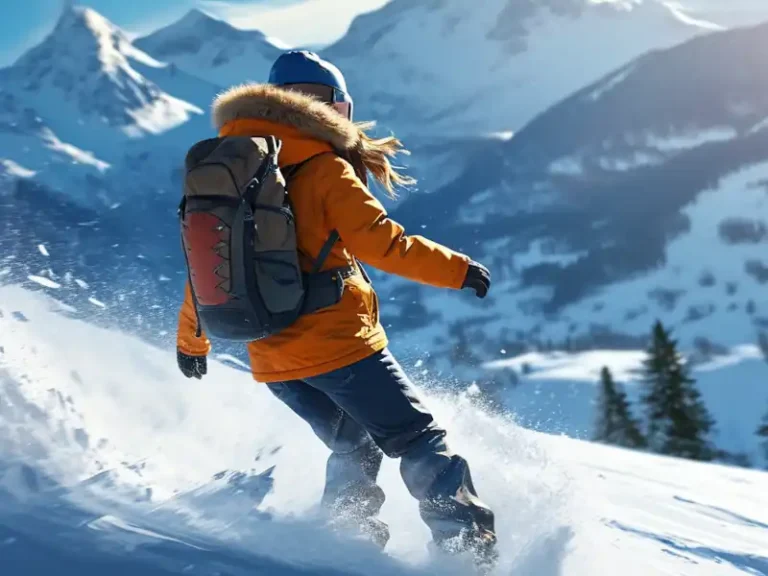
Snowboard Backpack with a Hydration Pack: Pros & Cons
Snowboarding isn’t just a sport — it’s an adventure that demands preparation, endurance, and smart gear choices. Among the essential accessories for snowboarders, the snowboard backpack with a hydration pack has become a game-changer. Whether you’re exploring backcountry slopes, carving through resort runs, or spending long hours in cold, dry mountain air, staying hydrated and organized is crucial.
However, while hydration backpacks offer undeniable advantages, they also come with a few limitations that every rider should know. In this article, we’ll dive deep into the pros and cons of snowboard backpacks with hydration systems, helping you make an informed decision before hitting the slopes.
What Is a Snowboard Backpack with a Hydration Pack?
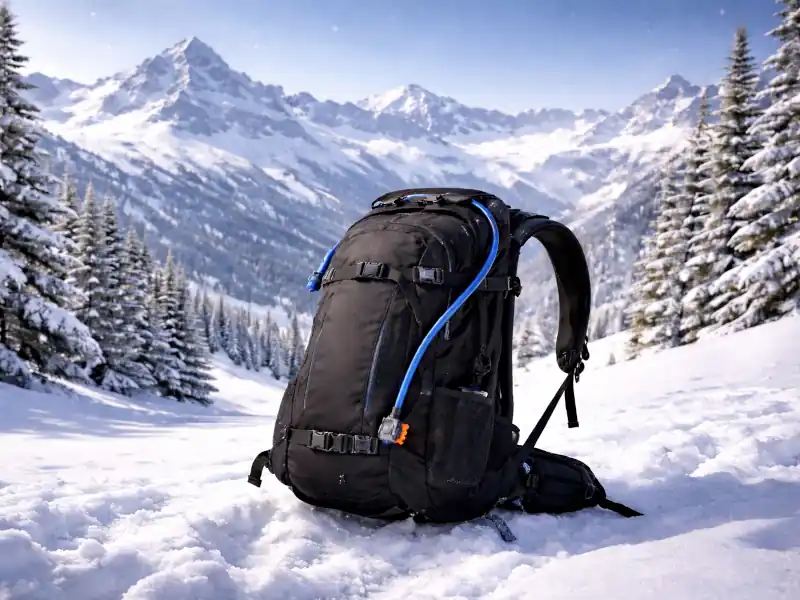
A snowboard backpack with a hydration pack is a specialized backpack designed for snow sports, featuring an integrated water reservoir (or bladder) and a hose system that allows you to drink hands-free. Unlike traditional backpacks, these are built to handle snow, moisture, and cold temperatures — keeping your essentials dry while offering hydration on demand.
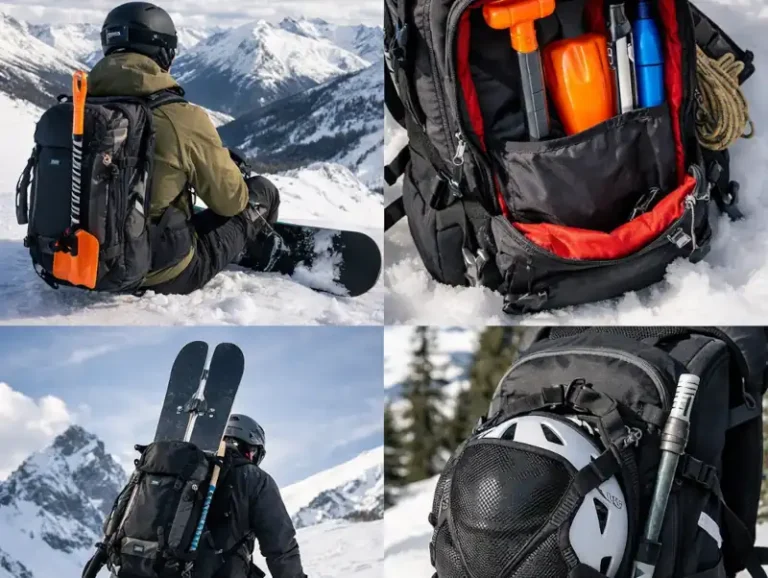
The hydration reservoir usually holds between 1 to 3 liters of water and includes an insulated drinking tube to prevent freezing. The backpack also provides compartments for avalanche gear, goggles, snacks, and extra layers, making it ideal for both resort and backcountry riders.
The Pros of Using a Snowboard Backpack with a Hydration Pack
1. Convenient Hydration on the Go
When snowboarding, stopping frequently to drink water can disrupt your flow and momentum. A hydration pack allows you to sip water through a tube without removing your gloves or taking off your backpack. This hands-free convenience helps you maintain hydration, especially in high-altitude environments where dehydration can sneak up quickly.
2. Helps Maintain Peak Performance
Dehydration affects performance, focus, and endurance — all of which are crucial for snowboarders. A hydration pack ensures you have consistent access to water, which helps regulate body temperature and prevents fatigue during long sessions on the mountain.
3. Efficient Weight Distribution
Snowboard backpacks with hydration packs are ergonomically designed for comfort and balance. The weight of the water bladder sits close to your back, improving stability and reducing strain. This design is particularly helpful when navigating steep terrain or performing tricks where balance is key.
4. Designed for Cold Environments
These backpacks are made with insulated materials and weather-resistant fabrics, protecting both your gear and water from freezing temperatures. The hose often features insulation or a bite-valve cover to keep water flowing even in sub-zero conditions.
5. Storage for Essential Gear
Most snowboarding hydration backpacks include compartments for avalanche tools, helmets, goggles, snacks, first aid kits, and extra clothing. Some models even feature external straps for carrying a snowboard, making them multifunctional and efficient for riders who need to pack smart.
6. Encourages Longer and Safer Rides
With water and gear readily available, you can stay out longer without frequent breaks or trips back to base. In backcountry areas, having a hydration-ready backpack is not just convenient — it’s a safety asset, allowing you to remain hydrated and alert in potentially harsh conditions.
The Cons of Using a Snowboard Backpack with a Hydration Pack
1. Added Weight and Bulk
Even though hydration packs are lightweight, carrying water and gear can add noticeable bulk. For beginners or casual riders, this may feel cumbersome and limit movement, especially during jumps or tricks.
2. Potential for Freezing
Despite insulation, the drinking tube or mouthpiece can sometimes freeze in extreme cold. While most hydration packs come with anti-freeze features, improper storage or design flaws can make drinking difficult when temperatures drop below freezing.
3. Maintenance and Cleaning
Cleaning a hydration bladder requires care and consistency. If not cleaned properly, it can develop mold, odor, or bacteria. This maintenance aspect is often overlooked by snowboarders who prefer low-maintenance gear.
4. Leakage Risks
Even high-quality hydration bladders can leak if overfilled, punctured, or poorly sealed. A leaking hydration pack inside a snowboard backpack can soak other essential items like gloves or electronics, leading to discomfort or damage.
5. Price Considerations
Snowboard backpacks with built-in hydration systems often come at a premium. Quality models from trusted brands like Osprey, CamelBak, or Dakine can cost significantly more than standard snowboarding backpacks. Riders must balance cost with features to find value.
6. Possible Distraction
For some snowboarders, the sensation of the hydration hose bouncing or brushing against the body can be distracting. This is especially true for riders who prefer minimalist setups or prioritize flexibility and movement freedom.
Key Features to Look for
When choosing the right hydration backpack for snowboarding, consider the following features:
- Insulated Drinking Tube: Prevents water from freezing.
- Ergonomic Fit: Adjustable shoulder, chest, and waist straps for stability.
- Waterproof Materials: Protects contents from snow and moisture.
- Ventilated Back Panel: Reduces sweat buildup and enhances comfort.
- Dedicated Tool Storage: Keeps avalanche safety gear organized.
- Easy-Access Hose Design: Allows smooth drinking without removing gloves.
- Durable Bladder Construction: Made of BPA-free and puncture-resistant material.
These factors ensure that your hydration pack performs reliably and lasts multiple snow seasons.
Top Benefits for Backcountry Snowboarders
For those venturing into backcountry terrain, a hydration backpack becomes even more valuable. Here’s why:
- Safety and Preparedness: Carrying essential avalanche gear and hydration together improves survival odds in emergencies.
- Extended Riding Sessions: Hydration supports stamina during long uphill hikes or splitboarding sessions.
- Hands-Free Navigation: Allows riders to stay hydrated while holding trekking poles or adjusting bindings.
- Compact Efficiency: Combining water storage and gear in one pack saves space and simplifies travel logistics.
In unpredictable mountain conditions, every ounce of efficiency and safety matters — and a snowboard backpack with a hydration system delivers both.
How to Prevent Common Hydration Pack Issues
To maximize the lifespan and efficiency of your snowboard hydration backpack, follow these tips:
- Use Warm Water in Freezing Conditions: Helps delay freezing inside the tube.
- Blow Back Technique: After drinking, blow air back into the tube to clear it of water.
- Dry After Every Use: Prevents mold growth inside the bladder.
- Store Properly: Keep the bladder open and dry between uses.
- Use Cleaning Tablets or Brushes: Designed specifically for hydration packs to remove residue and bacteria.
By maintaining your hydration system properly, you’ll avoid leaks, odors, and performance issues on the slopes.
When You Might Not Need a Hydration Backpack
While hydration packs are great for many snowboarders, they’re not always necessary. If you primarily ride at resorts with accessible facilities or prefer short sessions, you can easily stay hydrated during breaks without carrying extra gear.
Additionally, freestyle riders who focus on park features may find backpacks restrictive or distracting during tricks. In these cases, a lightweight, compact pack or no backpack at all may be a better option.
Who Should Use a Snowboard Backpack with Hydration Pack?
A hydration-equipped snowboard backpack is ideal for:
- Backcountry explorers needing all-day water and gear storage.
- Freeriders tackling long, remote runs.
- Splitboarders hiking uphill and covering large distances.
- Resort riders who prefer fewer stops and more time on the slopes.
- Adventure enthusiasts who value safety, preparedness, and efficiency.
If your snowboarding sessions last several hours or take you far from amenities, a hydration backpack is worth the investment.
Comparing Snowboard Hydration Backpacks to Regular Backpacks
| Feature | Hydration Backpack | Regular Backpack |
|---|---|---|
| Hydration Access | Built-in reservoir and hose | Separate bottle pocket |
| Weight Distribution | Balanced, ergonomic | Can feel uneven |
| Weather Resistance | Usually waterproof and insulated | Varies by brand |
| Maintenance | Requires cleaning | Minimal |
| Best Use Case | Long or backcountry rides | Short resort runs |
This comparison highlights how hydration packs offer functional advantages for serious snowboarders, though they demand more maintenance.
Environmental Considerations
Using a hydration pack also promotes sustainability. Instead of relying on disposable plastic bottles, you’re reducing waste with a reusable water bladder. Many top brands now use eco-friendly materials and PFC-free waterproof coatings, aligning with environmentally conscious riders who want to minimize their footprint.
Frequently Asked Questions (FAQs)
1. How do I prevent the water tube from freezing while snowboarding?
Use an insulated hose, keep the mouthpiece under your jacket, and blow air back into the tube after drinking to clear remaining water.
2. Can I use a regular hydration backpack for snowboarding?
It’s possible, but snow-specific packs are better insulated, more durable, and designed to handle cold weather and snow exposure.
3. How often should I clean my hydration bladder?
Ideally, clean it after every trip. If storing for long periods, make sure it’s completely dry to prevent mold or odor.
4. Are snowboard hydration backpacks waterproof?
Most are water-resistant, not fully waterproof. However, premium models include waterproof zippers and sealed seams for added protection.
5. What’s the ideal water capacity for snowboarding?
A 2-liter reservoir is usually sufficient for most riders. For longer backcountry trips, opt for a 3-liter pack.
6. Is it worth spending more on a premium brand?
Yes — high-quality hydration packs last longer, perform better in cold weather, and offer more comfort and reliability than budget options.
Should You Get a Snowboard Backpack with a Hydration Pack?
A snowboard backpack with a hydration pack is one of the most practical pieces of gear for riders who value hydration, organization, and extended performance on the slopes. The pros — convenience, endurance, safety, and comfort — often outweigh the cons, especially for backcountry and long-day riders.
However, for casual resort snowboarders or park enthusiasts, a simpler backpack might suffice. The key lies in understanding your riding style, environment, and comfort preferences.
If you’re ready to enhance your snowboarding experience with improved hydration and functionality, investing in a well-designed hydration pack backpack could be the smart move you’ve been missing.

by: Ray Pember
Ray is an experienced wordsmith who has dived deep into various niches. With over two decades under his belt, he knows a thing or two about staying afloat in this ever-evolving digital world… read more