Choosing the Best Waterproof Ski Gloves: A Complete Guide to Keeping Your Hands Warm and Dry
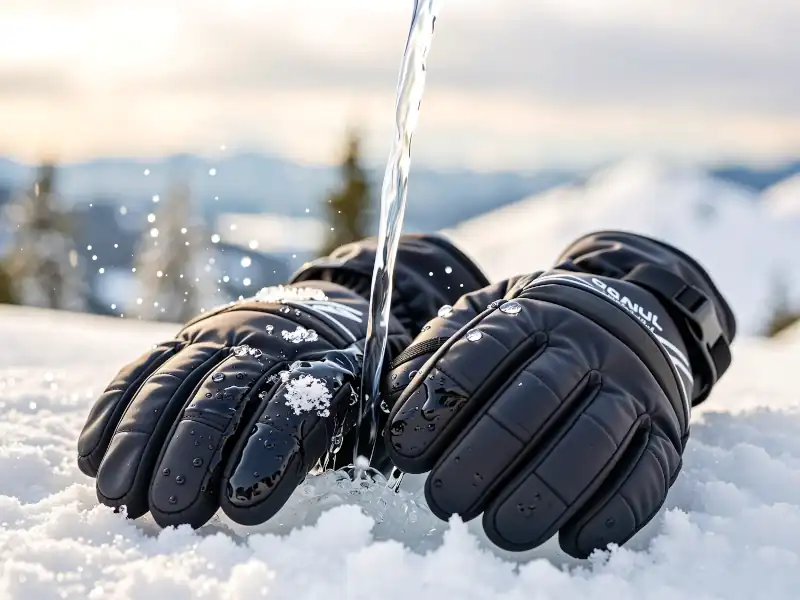
There’s a moment every skier and snowboarder knows too well: you’re halfway through an amazing run when you realize your fingers are going numb. You peel off your gloves at the lodge only to find them soaked through, and suddenly the rest of your day becomes about managing cold, wet hands rather than enjoying the mountain. The difference between a great day on the slopes and a miserable one often comes down to one crucial piece of gear that many people overlook until it’s too late—truly waterproof gloves.
If you’re new to winter sports, you might assume that all ski gloves are waterproof. After all, they’re designed for snow, right? But here’s where things get interesting: there’s a significant difference between water-resistant and genuinely waterproof, and understanding this distinction will transform your experience on the mountain.
Understanding What “Waterproof” Really Means
When we talk about waterproof ski gloves, we’re discussing a glove’s ability to keep moisture out under real mountain conditions, not just light flurries. Think about what your gloves actually encounter during a day of skiing or snowboarding. You’re gripping snow-covered poles, adjusting bindings with wet hands, taking falls into powder, and spending hours in contact with snow that’s constantly melting and refreezing. A truly waterproof glove needs to handle all of this without letting moisture seep through to your skin.
The key lies in the membrane technology hidden inside the glove. The most effective waterproof gloves use a thin, microporous membrane sandwiched between the outer shell and the insulation. This membrane contains billions of tiny pores that are small enough to block water droplets from entering, but large enough to allow water vapor from your sweat to escape. It’s a bit like having a one-way door for moisture—your perspiration can leave, but external water cannot get in.
The most recognized membrane technology is Gore-Tex, which has become synonymous with waterproofing in outdoor gear. Gore-Tex membranes are durably waterproof and highly breathable, making them excellent for high-output activities like skiing and snowboarding. However, many manufacturers have developed their own proprietary membranes that perform equally well, such as Outdoor Research’s Ventia, Black Diamond’s BDry, and Hestra’s Triton. What matters most is not necessarily the brand name, but whether the glove uses a quality waterproof-breathable membrane and how well it’s constructed.
The Construction Details That Make or Break Waterproofing
Even the best membrane won’t keep you dry if the glove isn’t properly constructed. This is where understanding a bit about glove architecture helps you make a smarter purchase. The most vulnerable point in any glove is where the seams come together. Every time a needle pierces fabric to create a seam, it creates a potential pathway for water to sneak through. The best waterproof gloves feature fully taped or sealed seams, where waterproof tape is applied over every stitch line on the inside of the glove. When you’re evaluating gloves, look for descriptions that mention “fully taped seams” or “sealed construction.”
Beyond the seams, pay attention to the glove’s closure system at the wrist. This opening is essentially an invitation for snow to slide up your sleeve during a fall or when you’re digging in powder. Quality waterproof gloves incorporate gauntlet-style cuffs that extend well over your jacket sleeves, with adjustable straps or elastic closures that cinch tight around your forearm. Some designs include an inner cuff that seals around your wrist while the outer gauntlet overlaps your jacket, creating a double barrier against moisture intrusion. This might seem like overkill when you’re shopping in a warm store, but when you’re actually on the mountain taking tumbles in deep powder, you’ll appreciate this thoughtful engineering.
Balancing Waterproofing with Warmth and Dexterity
Here’s where choosing ski gloves becomes more nuanced. The warmest, most heavily insulated gloves tend to be bulkier, which can make it challenging to grip poles, adjust bindings, or operate zippers. Meanwhile, sleeker gloves that offer better dexterity might not provide enough warmth for truly cold days. Understanding this balance helps you choose gloves that match your specific needs.
For most recreational skiers and snowboarders in moderate conditions, gloves with 100 to 200 grams of synthetic insulation offer a sweet spot of warmth and functionality. Synthetic insulation like PrimaLoft or Thinsulate continues to provide warmth even when damp, unlike down insulation which loses its effectiveness when wet. This is particularly important in gloves, where moisture management is constant.
If you tend to run cold or frequently ski in bitter temperatures, consider gloves with removable liners. This modular approach gives you flexibility—you can wear both the shell and liner together on frigid days, or just the waterproof shell with a lighter liner when conditions are milder. Some advanced skiers keep multiple liner options and swap them based on temperature and activity level. It’s like having several different gloves in one system.
On the other hand, if you prioritize dexterity because you’re constantly adjusting equipment, using your phone, or prefer more tactile feedback when skiing, look for lower-profile waterproof gloves with less insulation. You might think that thinner automatically means less waterproof, but this isn’t true. A quality waterproof membrane works just as effectively in a sleeker glove; you’re simply choosing less insulation, not less waterproofing. You can always add heat pack pockets or wear thin liner gloves underneath if you need extra warmth on particularly cold days.
Materials Matter: What Your Gloves Are Made Of
The outer shell material of your gloves plays a crucial role in both waterproofing and durability. Leather has been used in ski gloves for generations, and there’s good reason for its enduring popularity. Leather, particularly goat leather, offers excellent water resistance naturally and becomes more supple over time as the oils in your skin condition it. When treated with waterproofing agents and combined with a waterproof membrane, leather gloves can be nearly indestructible and will often last for many seasons.
However, leather does require more maintenance than synthetic materials. You’ll need to periodically treat it with leather conditioner and waterproofing products to maintain its protective qualities. If you choose leather gloves, think of them as an investment piece that rewards proper care with longevity.
Modern synthetic materials offer compelling advantages, particularly for riders who want low-maintenance gear. Fabrics like nylon and polyester blends with durable water repellent (DWR) coatings cause water to bead up and roll off the surface rather than soaking in. These materials are typically lighter than leather, dry faster, and require minimal upkeep. Many high-performance ski gloves use reinforced synthetic leather on the palms for grip and durability while using lighter synthetics on the backs of the hands for flexibility and breathability.
Some gloves incorporate both materials strategically throughout their construction. You might see genuine leather on high-wear areas like palms and fingertips, where you need grip and durability, combined with synthetic materials on the backs and cuffs for weather protection and flexibility. This hybrid approach often delivers the best of both worlds.
Features That Enhance Real-World Performance
Beyond the basic waterproofing, several features can significantly improve your experience on the mountain. One of the most valuable is a nose wipe panel—a soft, absorbent patch on the thumb or back of the glove that lets you wipe your runny nose without resorting to your glove cuff. It sounds like a small detail until you’re on a cold chairlift and desperately need it.
Touchscreen-compatible fingertips have become increasingly important as we use smartphones for everything from checking weather updates to capturing photos on the slopes. Quality gloves integrate conductive material into the index finger and thumb, allowing you to use your phone without removing your gloves and exposing your hands to the cold. This feature makes a huge practical difference, though you’ll want to test it before purchasing, as the responsiveness varies significantly between brands.
Consider whether you want wrist leashes attached to your gloves. These simple straps prevent you from losing a glove when you remove them to adjust equipment or grab a snack. It might seem unnecessary until you’re fumbling with poles and bindings on a windy chairlift, and a gust of wind snatches your glove away. Many experienced riders swear by leashes, while others find them annoying. Think about your own habits and tendencies.
Internal pockets for heat packs can be a game-changer for people who struggle with chronically cold hands or who ski in extremely cold climates. These dedicated pouches hold disposable heat packs against the back of your hand, providing hours of supplemental warmth without adding bulk. Even if you don’t think you’ll need this feature, it’s nice to have the option available when temperatures plummet unexpectedly.
Gloves Versus Mittens: Making the Right Choice
While this guide focuses on gloves, it’s worth addressing the glove versus mitten debate because it directly impacts your waterproofing needs. Mittens, which keep your fingers together in a single compartment, are inherently warmer than gloves because your fingers can share heat. They’re also typically easier to waterproof effectively because there are fewer seams and joints where water can penetrate.
However, mittens sacrifice significant dexterity. If you’re a beginner still working on the mechanics of skiing or snowboarding, you might find mittens frustrating when you’re trying to buckle boots, adjust bindings, or manage gear. Gloves give each finger individual articulation, which most people find more natural and functional.
Some manufacturers offer a compromise: three-finger gloves that combine your ring and pinky fingers in one compartment while keeping your thumb, index, and middle fingers separate. This design, sometimes called a “trigger finger” or “lobster claw” style, provides more warmth than a standard glove while maintaining better dexterity than a mitten. These can be an excellent option if you prioritize warmth but still need reasonable functionality.
Caring for Your Waterproof Gloves
Understanding how to maintain your gloves ensures they’ll continue performing season after season. The waterproof membrane in quality gloves is durable, but the DWR coating on the exterior fabric will eventually wear off with use and washing. When you notice water starting to soak into the outer fabric rather than beading up, it’s time to refresh the DWR treatment. You can do this with spray-on or wash-in waterproofing products designed for outdoor gear. Simply clean your gloves according to the manufacturer’s instructions, then apply the waterproofing treatment and allow them to dry completely.
Never machine dry your gloves on high heat, as this can damage the waterproof membrane and cause the internal adhesives to fail. Instead, air dry them at room temperature, stuffing them loosely with newspaper to help maintain their shape and absorb interior moisture. After a day on the slopes, resist the temptation to place wet gloves directly on a heater or radiator. The extreme heat can cause similar damage and may also stiffen leather materials.
Store your gloves in a cool, dry place during the off-season, and consider using cedar blocks or sachets to prevent musty odors from developing. If your gloves have removable liners, take them out and store everything separately to ensure thorough drying and better air circulation.
Making Your Final Decision
Choosing the best waterproof ski gloves ultimately comes down to matching the right features to your specific needs and skiing style. Think about the typical conditions where you ride, your personal comfort level with cold, and how you use your hands on the mountain. A beginner taking lessons at a Midwest resort has different needs than an advanced rider seeking powder days in the Pacific Northwest or someone making spring turns in the Rockies.
Remember that price often correlates with durability and performance, but it doesn’t always mean you need the most expensive option. A mid-range glove with a quality waterproof membrane and solid construction will serve most recreational skiers and snowboarders extremely well. Focus on the fundamentals: a waterproof-breathable membrane, sealed seams, appropriate insulation for your needs, and a closure system that keeps snow out.
The best waterproof ski gloves are the ones that disappear from your awareness on the mountain—you don’t think about them because your hands stay warm and dry, allowing you to focus entirely on the joy of skiing or riding. When you find that perfect pair, you’ll wonder how you ever made do with anything less. Your hands literally connect you to your equipment and the mountain, so investing in gloves that protect them from the elements isn’t just about comfort; it’s about unlocking your full potential to enjoy everything winter has to offer.

by: Blair Fontana
A versatile freelance content creator known for her engaging writing style and diverse range of interests. Blair has carved out a niche in lifestyle writing, captivating her audience with insightful articles… read more