Do You Need Liner Gloves for Skiing?
Do you really need liner gloves when skiing? If you’re a beginner or intermediate ski or snowboard enthusiast, you’ve probably asked yourself this question while gearing up for cold weather adventures. Glove liners are thin, lightweight gloves worn under your main ski gloves. While they might sound optional, they can make a big difference in comfort, warmth, and performance.
1. What Are Liner Gloves?
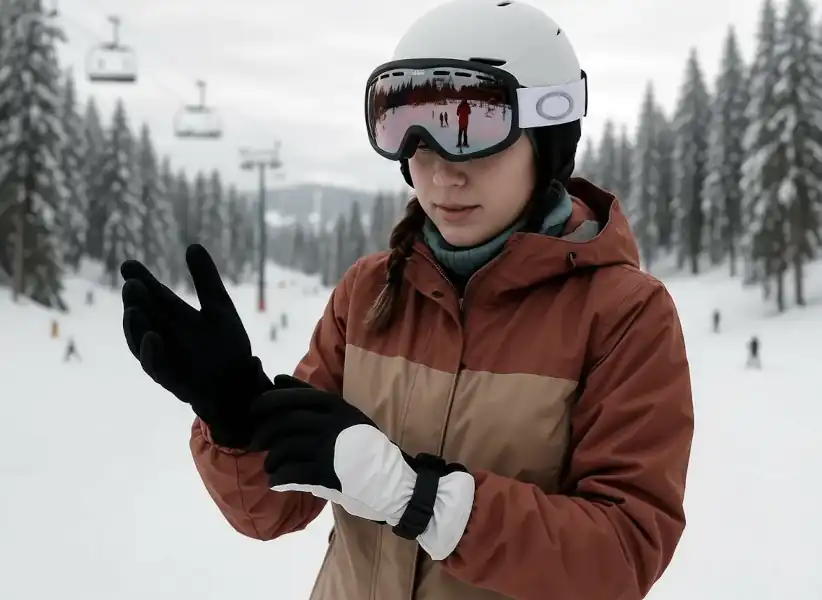
- Definition: A glove liner is a thin glove worn underneath your main ski glove or mitt. Its job is to add insulation, manage moisture, and improve fit.
- Function in layering: Think of them like base layers for your hands. On a multi‑layer system, the liner is your first barrier — like underwear for your hands. It helps trap warmth and wick sweat away from your skin.
- Removable vs sewn-in liners:
• Removable liners can be taken in and out, helping the glove dry faster and letting you swap liners.
• Sewn-in liners are permanently attached, which simplifies design and prevents shifting, but can limit flexibility and dry time.
2. Benefits of Using Liner Gloves
2.1 – Improved Warmth & Insulation
A well-chosen liner adds an extra thermal layer, sometimes increasing overall insulation by ~20%. Because the liner is close to your skin, it’s effective at trapping micro-layers of warm air.
2.2 – Moisture Management
One of the biggest killers of warmth is dampness. As you sweat or your hands get damp, that moisture can cool you down. Liners are designed to wick that moisture away, keeping your skin drier and more comfortable.
2.3 – Enhanced Dexterity & Versatility
On milder days or during uphill hikes, you might want lighter coverage. Thin liners let you slip off your heavier gloves while still keeping some protection. Also, liners make “bare-finger” maneuvers (adjusting gear, handling zippers) more comfortable without fully removing your gloves.
2.4 – Backup & Swap Option
If your main gloves get wet or sweat through, you can change liners with an extra pair mid-day. Removable liners give you this flexibility without needing to swap full gloves.
3. Drawbacks & Potential Issues
3.1 – Bulk & Fit Problems
Poorly designed liners may bunch up or shift inside your ski gloves, reducing comfort and dexterity. This is especially true if the liner is loose or doesn’t seat well within the shell.
3.2 – Slower Drying (Especially with Sewn-In Liners)
Since liners trap moisture, they can take longer to dry, especially if they’re sewn-in and not removable. On multi-day trips or humid conditions, that can be a downside.
3.3 – Added Cost & Complexity
High-quality liners (merino wool, synthetic blends, touchscreen-compatible) can add to your gear cost. Also, managing an extra layer adds complexity to your gear setup. Some gloves already integrate good insulation, making liners redundant in certain conditions.
3.4 – Potential Loss of Sensitivity
If the liner is too thick, it may reduce your tactile feedback — which could be a disadvantage when adjusting buckles, zippers, or gear. Pick liners that are thin, form-fitting, and designed for dexterity.
4. How to Choose the Right Liner Gloves
4.1 Material Matters
- Merino wool: Naturally warm and breathable, but may be a bit bulkier.
- Synthetic fibers (polyester, nylon, blends): Dry faster and often lighter, give good moisture transport. Many skiers prefer polyester liners for performance.
- Silk: Thin and smooth but tends to absorb moisture — better for very mild conditions, not mid-winter skiing.
4.2 – Thickness & Weight
Aim for ultra-light or lightweight liners that add warmth but don’t feel like insulation. They should slide easily under your ski glove without compression or bulk.
4.3 – Fit & Size
A proper fit is crucial to prevent shifting and bunching. The liners should feel snug, with minimal extra room. Try them with your outer gloves on to test layering fit.
4.4 – Touchscreen Compatibility & Grip
Modern liners often feature touchscreen fingertips or grips on the palms to let you use your phone or adjust gear without removing them. This adds convenience.
4.5 – Durability & Reinforcement
Look for reinforced stitching or durable fabrics in high-wear areas (palms, fingertips). Since liners get frequent use, build quality matters for longevity.
5. When (and Why) to Use Liner Gloves
Here are situations where liner gloves shine:
- Extreme cold days: When you’re skiing in frigid temps, liners add that extra degree of protection.
- Backcountry or uphill travel: Skin-out liners let you hike or ascend with minimal bulk, then layer up.
- Changing conditions: Cold mornings, warm afternoons — liners let you adapt.
- Multi-day trips: When gloves may get damp overnight, having a dry liner to swap in can be a game-changer.
- Mild or spring skiing: You might get away with only liner gloves on moderate days.
In short, if you’re pushing variable weather or long days, liners become a strategic advantage in your gear stack.
6. Layering & Usage Tips
- Always put the liner on first, then your main ski glove or shell. Ensure no folds or wrinkles.
- Test dexterity: wiggle your fingers, grip ski poles — make sure nothing feels too tight.
- Change liners mid-day if needed: A dry liner will maintain warmth better than a damp one.
- Alternate liners if possible — let one dry while using the other.
- Avoid cotton liners — cotton retains moisture and will make your hands colder.
- Store liners dry each night; don’t tuck wet liners inside gloves overnight.
7. FAQs
Q: Are liner gloves necessary for skiing?
A: Not always — but they’re extremely beneficial on cold, wet, or variable days to boost warmth and manage moisture.
Q: Can I use liners alone instead of full ski gloves?
A: Only in milder conditions. Liners don’t offer the waterproofing or durability of full gloves, so relying on them alone in deep cold is risky.
Q: What’s better — merino or synthetic liners?
A: Merino is warm and natural, but synthetic liners dry faster. Many skiers prefer synthetic or blended shells for performance.
Q: Do removable liners matter?
A: Yes — removable liners dry faster, give flexibility, and let you swap mid-day. But they can be harder to re-seat properly.
Q: How do I care for liner gloves?
A: Wash on gentle cycles with cold water, avoid fabric softeners, and air dry. Don’t tumble-dry high heat.
So, do you need liner gloves for skiing? Not in every situation — but for many skiers, especially beginners and intermediates pushing their gear through a range of conditions, liners offer a smart, performance-boosting upgrade.
Liners provide extra insulation, moisture control, and flexibility in layering. The right liner, paired with good outer gloves, can make your hands more comfortable and your experience more enjoyable. Choose with care — materials, fit, and usability all matter.
Some Top Liner Glove Models
| Use‑Case / Feature | Liner Model & Highlights | Why It’s a Solid Pick |
|---|---|---|
| Versatile midweight liner | Patagonia Capilene Midweight Liner Gloves | A trusted all‑round starter: breathable, moisture‑wicking, good for layering under heavier gloves. |
| Merino / natural fiber option | MEC Merino Liner Gloves | Merino wool is comfortable and warm; good for cold, dry days when you want natural fiber next to skin. |
| Touchscreen + ski compatibility | Burton Touchscreen Glove Liners True | Lets you use your phone or GPS without removing the gloved layer—handy on the hill. |
| Extra heat boost liner | Seirus Heatwave Glove Liner | Has a lining that helps retain more heat, making it useful under thin gloves in colder temps. |
| Hybrid / fleece base liner | Arc’teryx Rho Glove | Lightweight, breathable, good under shells—great for dry snow days or active skiing. |
| Snowboarding / ski‑specific liner | Dakine Storm Liner Mens | Designed for snow sports, with grip and insulation built for glove layering. |
| Thermal & reflective liner | Columbia Omni‑Heat Touch Liner Gloves | Uses Columbia’s Omni‑Heat reflective lining to bounce body heat back, includes touchscreen tips. |

by: Ray Pember
Ray is an experienced wordsmith who has dived deep into various niches. With over two decades under his belt, he knows a thing or two about staying afloat in this ever-evolving digital world… read more