Ski Helmet Maintenance Tips: Cleaning, Storage & Care
Investing in a good helmet is one of the best safety decisions you can make. But buying the helmet isn’t enough — maintaining it properly is just as important.
A well-cared-for helmet stays hygienic, comfortable, and most importantly — remains effective at protecting your head when it counts.
We’ll walk you through how to clean your helmet’s exterior and padding, how to store it properly, and how to inspect it for signs of wear or damage.
Why Helmet Maintenance Matters
Even if your helmet never takes a tumble, the materials inside — foam liners, adhesives, shell plastic — degrade over time. According to helmet-safety experts, most ski helmets should be replaced every 3–5 years (or sooner if heavily used or stressed).
Regular cleaning, careful storage, and routine inspection help preserve the helmet’s integrity — ensuring that when you need protection, your helmet still delivers. Neglect or improper care can accelerate wear, reduce comfort, or even compromise safety.
Cleaning the Exterior of Your Ski Helmet

What to Use (and What to Avoid)
- Use lukewarm water and a mild, pH-neutral soap. Wipe the helmet gently with a soft cloth or sponge. This method is gentle enough to clean dirt, salt, grime — without damaging the helmet shell or foam inside.
- Avoid harsh chemicals, solvents, bleach, strong cleaning sprays, abrasive pads or sponges. These can degrade shell materials or compromise the protective foam and safety coatings.

Step-by-Step Exterior Cleaning Process
- Mix mild soap with warm water.
- Dip a soft cloth or sponge into the solution and wring out excess water.
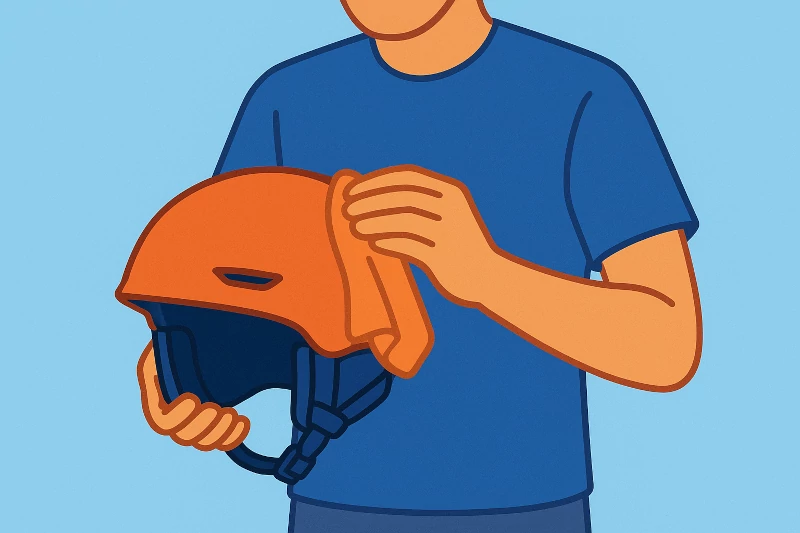
- Gently wipe down the entire outer shell — front, back, sides, under the brim — to remove dust, salt, and grime.
- Use a clean damp cloth (just water) to wipe off any soap residue.
- Let the helmet air dry completely in a ventilated indoor area.
- Do NOT use hair-dryers, heaters, direct sunlight, or any high-heat source — heat and UV can weaken helmet materials over time.
Pro tip: Clean the exterior after every few uses, especially if you’ve been skiing in wet, salty, or muddy conditions — this helps prevent grime build-up and corrosion of metal parts (buckles, vents).
Cleaning the Interior Padding (Liner & Ear Pads)
Removing and Washing the Padding
If your helmet has removable padding or liners (many modern ski helmets do), remove them before cleaning. This typically includes ear pads, cheek pads, and the main liner.
Wash padding and liners gently by hand (or by machine only if the manufacturer allows, typically at a low temperature ~30 °C) using mild soap and water. Avoid strong detergents or bleach.
Drying and Reassembly
After washing, allow all padding parts to fully air-dry in a well-ventilated, shaded area. Never use direct heat, a dryer, or set them near a heat source — heat can damage foam, adhesives, and affect fit.
Once completely dry, reassemble the padding carefully, making sure everything sits where it’s supposed to. A correct fit is vital for comfort and safety.
Why This Matters
Interior cleaning removes sweat, oils, dirt, and bacteria — improving hygiene, reducing odor, and decreasing the risk of skin irritation. Clean padding also ensures the helmet fits correctly; loose or degraded padding can compromise helmet stability and protection.
Storage — Where and How to Store Your Ski Helmet
Ideal Storage Conditions
- Store your helmet in a cool, dry place — indoors, with moderate temperature and low humidity. Avoid attics, damp basements, or humid garages.
- Keep it away from direct sunlight, heat sources, radiators, and UV exposure. UV rays and heat degrade plastic shells and internal foam over time.
- If you have a helmet bag or soft storage bag, use it — it protects the helmet from dust, scratches, and accidental impacts.
Where Not to Store Your Helmet
- Never store a ski helmet in a car — temperature swings (especially heat in summer) can damage helmet materials.
- Avoid stacking items on top of the helmet or storing it in cramped spaces where it might get smashed or deformed.
- Don’t store it somewhere damp or humid — moisture can lead to mold, degrade foam or liner materials, and damage fit.
- Avoid storing it close to chemicals or solvents, as spills or fumes can deteriorate the helmet’s materials.
Extra Care Tips
- Always make sure the helmet is completely dry — inside and out — before putting it away. Never store a damp helmet.
- Treat your helmet as delicate gear: avoid throwing it around, avoid leaning or sitting on it, and don’t attempt to decorate (paint/stickers) it unless manufacturer explicitly permits — adhesives or paint can affect structural integrity.
How to Inspect Your Helmet for Wear, Damage, and When to Replace
What to Check — Shell, Padding, Straps, Fit
- Outer shell: Look for any cracks, deep scratches, dents, or deformations. If you see any, stop using the helmet — its ability to protect may be compromised.
- Inner lining and foam padding: Feel for compressed, cracked, brittle, discolored, or hardened foam. If padding seems worn, loose, or the liner is detached — those are red flags.
- Straps, buckles, fit system: Test the chin strap, buckles and adjustment system. Ensure they’re functional, not frayed, not loose, and that the helmet fits snugly. As you shake your head gently, helmet should remain secure.
- Fit and comfort: Over time padding and foam may compress or shift — if helmet no longer feels snug, stable, or comfortable (slides around, rubs, or creates pressure points), consider replacement or professional inspection.
When to Replace Your Helmet
- After any significant crash or impact, even if there’s no visible damage. The internal foam liner is designed to absorb impact — once compressed, it may not protect properly again.
- As a general guideline, many experts recommend replacing ski helmets every 3–5 years, depending on usage, storage conditions, and wear.
- Even unused helmets degrade over time due to environmental factors (temperature, humidity, UV exposure, storage conditions). So if yours is older than 5 years — consider retiring it, even if it looks fine.
Why Age & Environment Matter
Helmet liners (EPS or EPP foam) and plastic shells slowly deteriorate — loss of elasticity, micro-cracks, foam hardening, adhesive breakdown — which reduces their ability to absorb impacts. This degradation is often invisible.
Find more safety and care tips from the USA government at the CDC and from Canada.ca
Summing it up
Your ski helmet is more than gear — it’s a vital piece of safety equipment. Keeping it clean, storing it properly, and inspecting it regularly helps ensure it stays in peak condition season after season.
But helmets don’t last forever. Even with careful care, materials degrade over time, and any significant impact can compromise safety — sometimes invisibly. For most skiers, replacing a helmet every 3–5 years (or sooner after a crash) is a good rule of thumb.
Make helmet maintenance part of your skiing routine — clean it, dry it, store it right, inspect it often — and you’ll maximize both its lifespan and its safety when you hit the slopes. Stay safe, and enjoy your time on the mountain!
FAQ: Common Questions About Ski Helmet Maintenance
**Q: How often should I clean my ski helmet?
A: At the very least, clean the helmet — shell and padding — once a season. But if your helmet gets sweaty, wet, muddy, or exposed to salt (e.g. from winter sports conditions), it’s smart to clean it more frequently.
Q: Can I machine-wash the interior padding?
A: Only if your helmet’s manufacturer states that the liner or padding is removable and machine-washable. When allowed, use a gentle cycle (often recommended around ~30 °C / mild/hands-wash settings) with mild soap. Otherwise hand-wash padding. Always air-dry fully— never use heat, direct sunlight or a dryer.
Q: Is it safe to store my helmet in my car during the off-season?
A: No. It’s strongly discouraged. Heat extremes inside cars (especially in summer) — or prolonged sun exposure — can degrade helmet materials (foam, shell), reducing protection when you need it. Store your helmet indoors, in a cool, dry spot away from direct sunlight or heat sources.
Q: My helmet still looks fine — do I still need to replace it after a few years?
A: Yes. Even without visible damage, helmet materials (foam liner, adhesives, shell integrity) degrade over time from use, storage, and environmental exposure. Most experts recommend replacing a ski helmet every 3–5 years depending on use and care.
Q: What if I had a minor fall but helmet looks unscathed — do I need a new one?
A: It depends — but many safety experts treat helmets as “single-use” for serious impacts. Because the foam liner may compress or form micro-cracks even if you don’t see them, the safest option after a significant fall or impact is to replace the helmet.
Q: Can I use stickers, paint, or decorations on my helmet?
A: Generally — no. Adding paint, stickers, or adhesives can damage the helmet shell or foam over time, or interfere with its protective integrity. Most helmet-maker care guides advise against adding decorations. Follow your helmet manufacturer’s recommendations.
Q: What’s the single most important rule for helmet care?
A: Always treat your helmet as safety gear — not “gear you can toss around.” That means cleaning gently, drying fully before storage, storing properly (cool, dry, away from UV/heat), inspecting regularly for wear or damage, and replacing every few years or immediately after any significant impact. Consistent care helps ensure it protects you when it matters most.
Ski Helmet Care & Inspection Checklist
✔Cleaning Checklist
Exterior:
- ☐ Wipe shell with lukewarm water and mild soap
- ☐ Use a soft cloth or sponge
- ☐ Wipe off soap residue with clean damp cloth
- ☐ Air-dry indoors (no heat, no sunlight)
- ☐ Avoid chemicals, solvents, abrasive pads
Interior Padding:
- ☐ Remove padding/ear pads if detachable
- ☐ Hand-wash with mild soap (machine-wash only if manufacturer allows)
- ☐ Air-dry fully in a shaded, ventilated spot
- ☐ Reinstall padding once fully dry
- ☐ Never use dryers, heaters, or direct sun
✔ Storage Checklist
Where to Store:
- ☐ Cool, dry indoor space
- ☐ Moderate temperature (no heat or humidity)
- ☐ On a shelf, hook, or inside a soft helmet bag
Where Not to Store:
- ☐ Inside a car (especially summer)
- ☐ Near heaters or radiators
- ☐ Damp basements, humid garages
- ☐ Under heavy items or in cramped spaces
- ☐ Direct sunlight or UV-exposed spots
✔ Inspection Checklist
Shell:
- ☐ No cracks, dents, deep scratches, or deformities
- ☐ No warping or soft spots
Interior Liner & Padding:
- ☐ Foam not cracked, brittle, or compressed
- ☐ Padding secure, not loose or shifting
- ☐ No strange odors (may indicate moisture/mold)
Straps & Buckles:
- ☐ Straps not frayed or loose
- ☐ Buckles latch securely
- ☐ Adjustment system functions correctly
Fit:
- ☐ Helmet still fits snugly
- ☐ No wobbling or pressure points
- ☐ Adjustment dial or system operates smoothly
✔ Replacement Checklist
- ☐ Helmet is more than 3–5 years old
- ☐ Helmet was involved in any significant impact
- ☐ Liner feels compressed or hardened
- ☐ Buckles/straps fail or don’t secure properly
- ☐ Helmet no longer fits snugly
- ☐ Visible cracks or structural damage

by: Cory Willins
Cory is a dynamic and passionate content writer, specializing in sports-related topics. With over a decade of experience in the field, Cory has established… read more