How to Choose the Right Ski Helmet: Size, Fit & Standards
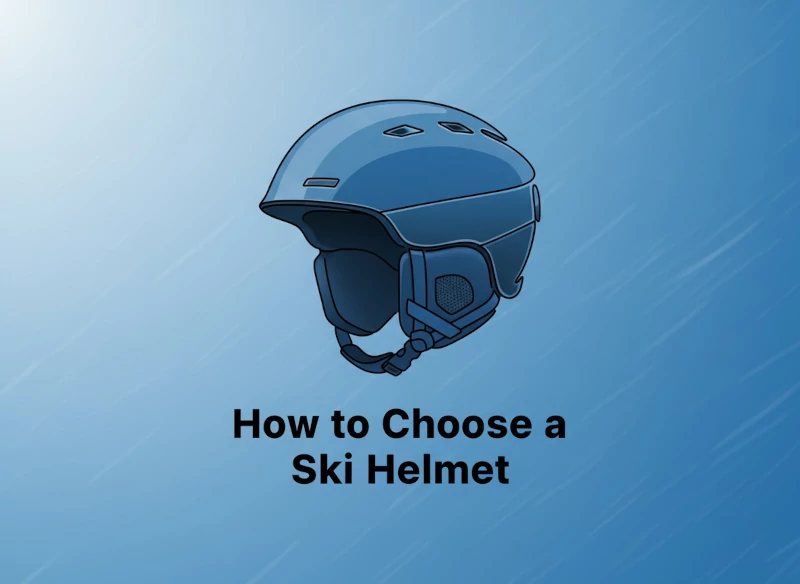
Choosing the right ski helmet is one of the smartest things you can do before hitting the slopes. A helmet isn’t just an accessory—it’s essential safety gear that protects your head from serious injury. But finding the right one can be confusing with all the shapes, sizes, and safety labels out there. Don’t worry—we’ll break it down step-by-step so you can pick the perfect helmet with confidence (and style).
Why a Properly Fitted Ski Helmet Matters
A ski helmet that fits right can make a big difference between a safe day and a painful one. A loose helmet might move around or even come off during a fall, while a tight one can give you a headache before you reach the first lift. A good fit ensures comfort, warmth, and—most importantly—maximum protection.
How to Measure Your Head for a Ski Helmet
Before you shop, you’ll need your head measurement. Here’s how to do it right:
- Grab a flexible measuring tape (or a string and ruler if that’s all you have).
- Wrap the tape around the largest part of your head—about an inch (approx two finger widths) above your eyebrows and a bit above your ears.
- Make sure the tape is level all around and snug, but not tight.
- Note the number in centimeters if you can. Or measure in inches and convert to centimeters.
That number is your helmet size. Ski helmets are typically sized in centimeters, so accuracy here makes everything easier later.
Example:
- Small: 52–55 cm (20.5″-21.75″)
- Medium: 56–59 cm (22″-23.25″)
- Large: 60–62 cm (23.5″-24.5″)
- Extra-Large: 63+ cm (24.75″+)
Remember, size charts can vary slightly by brand, so always check the manufacturer’s guide before buying.
If your measurement falls in between two sizes, start with the smaller size and use the adjustments to fine-tune. If it’s still too small, then move up to the larger size.
How to Tell If a Ski Helmet Fits Right
Once you’ve found your size, it’s time for the “fit test.”
Here’s what to check:
- Snug, not tight: The helmet should feel secure but comfortable. If it squeezes your head or leaves red marks, go a size up.
- Even pressure: There should be consistent contact all around your head—no gaps or loose spots.
- Stable movement: Shake your head gently. If the helmet wobbles or slides, it’s too loose.
- Goggle gap: Try your goggles with the helmet on. The top edge of your goggles should meet the helmet brim neatly—no big gap, no overlap.
- Strap check: Fasten the chin strap. You should be able to fit one finger (or two maximum) between the strap and your chin. You should still be able to talk as well as chew and swallow comfortably.
Quick test tip: As mentioned above, shaking your head around gives an indication of what it will be like when you are on the slopes skiing. If the helmet stays in place without sliding around, you’ve found a winner.
View a helpful video to visually see some of these tips.
Understanding Helmet Safety Certifications
Every reputable ski helmet will have at least one safety certification label inside. These standards ensure the helmet has been tested for impact protection and durability.
Here are the main ones to look for:
- ASTM F2040 (USA): Common in North America, covers non-motorized snow sports.
- EN 1077 (Europe): European standard for alpine skiing and snowboarding helmets.
- Snell RS-98: A more rigorous voluntary standard for high-impact protection.
If your helmet has one or more of these certifications, you can trust it’s been through proper safety testing.
Size Ranges and Adjustability
Most modern ski helmets have adjustable fit systems—usually a dial at the back—to fine-tune the fit. This is handy if you switch between wearing a thin hat or no hat underneath.
Some helmets also feature removable padding or interchangeable liners to adapt to different head shapes or temperature conditions. If you’re buying for a child, choose an adjustable model that can grow a bit with them (but still fits properly right now).
Children’s Helmets
Canada has many ski hills in its cold climate and The Canadian Ski Council advises that a child’s head size doesn’t change much as they grow, so when buying a helmet, it’s important to choose one that fits snugly right now. Unlike shoes, you shouldn’t size up in hopes they’ll “grow into it”. Find more helmet advice for children and adults on their website.
Tips for Choosing the Right Ski Helmet
A few quick pointers before you check out:
- Try before you buy: If possible, visit a store to try on a few brands. Fit can vary between models.
- Check ventilation: Adjustable vents help regulate temperature—open for sunny days, closed for cold runs.
- Weight matters: Lightweight helmets feel more comfortable over long days.
- Consider MIPS: Some helmets include a MIPS (Multi-directional Impact Protection System) liner that helps reduce rotational forces during angled impacts.
- Replace after impact: Even if there’s no visible damage, a hard fall can weaken the helmet’s structure. Replace it if you’ve had a significant crash.
Common Mistakes to Avoid
- Don’t buy a helmet just because it looks good. Fit and safety come first.
- Don’t wear a thick hat under your helmet—it can affect the fit and reduce protection.
- Don’t keep using a helmet that’s over 5–7 years old. Materials degrade over time.
Helmet Care and Maintenance
- Clean gently: Use mild soap and warm water—never harsh chemicals.
- Dry naturally: Avoid heaters or direct sunlight.
- Store properly: Keep your helmet in a cool, dry place.
- Check regularly: Look for cracks, dents, or loose padding before each season.
Final Thoughts
Choosing the right ski helmet isn’t complicated once you know what to look for. Measure your head, check the fit, verify safety certifications, and make sure it feels comfortable. With the right helmet, you’ll ski with confidence knowing your head is well protected—and that’s worth more than any fancy color or logo.
And remember: a good helmet won’t make you ski better, but it will help you ski longer—because you’ll be safe enough to come back tomorrow.
FAQs
1. How tight should a ski helmet be?
It should feel snug but comfortable. You shouldn’t feel pressure points or movement when you shake your head.
2. Can I wear a beanie under my ski helmet?
If your helmet fits well, you don’t need a beanie. If it’s very cold, use a thin, moisture-wicking liner instead.
3. How often should I replace my ski helmet?
Every 5–7 years, or immediately after a hard impact—even if there’s no visible damage.
4. What’s the difference between MIPS and regular helmets?
MIPS helmets add a low-friction layer inside that reduces rotational forces during angled impacts, offering extra protection.
5. Do all ski helmets meet the same safety standards?
No. Look for ASTM, EN 1077, or Snell RS-98 certifications to ensure proper protection.
6. Can I use my bike helmet for skiing?
No. Bike helmets are designed for different impact patterns and temperatures. Always use a helmet made for snow sports.

by: Cory Willins
Cory is a dynamic and passionate content writer, specializing in sports-related topics. With over a decade of experience in the field, Cory has established… read more