From Budget to Premium: Which Downhill Ski Bag Is Right for You?
This post contains affiliate links.
If you use these links to buy something, we may earn a commission at no extra cost to you.
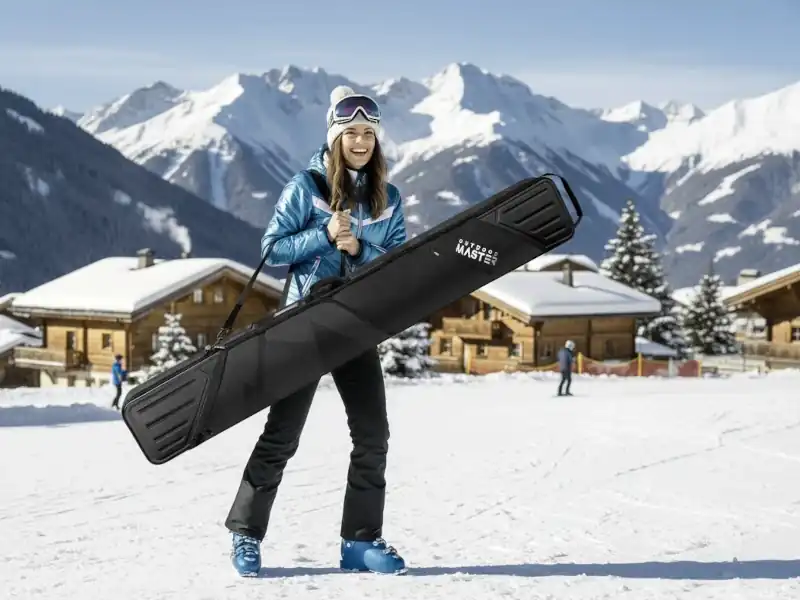
Choosing the right ski bag might seem like a small detail, but for downhill skiers heading out on trips — whether by plane, train or automobile — a good bag can make the difference between stressed travel and smooth logistics. The right bag protects your skis (and poles, boots) from damage, makes moving through airports or parking lots easier, and helps you control rail and airline baggage issues. In this ultimate guide, you’ll learn what features to look for, how much you should realistically spend, and we’ll review top models from budget to premium so you can pick the one that fits you.
Why the Right Ski Bag Makes a Difference
- Protection matters. Skis are expensive. A poorly built bag may leave your edges scratched, bindings chipped, or straps broken.
- Travel convenience. A bag with wheels, good handles, and the right shape means less hauling, less stress when you’re tired, and fewer surprises at check‑in.
- Gear longevity. A ski bag does more than just carry: it stores your skis in a safer environment, reducing wear from transport.
In the sections ahead you’ll get clear guidance on features, budget tiers, brand comparisons, sustainability, and top picks.
Key Features to Consider When Buying a Downhill Ski Bag
Size & Fit for Your Skis — Ensure the bag length accommodates your skis (plus poles, if you carry them). A bag that’s too short or too tight can damage gear under stress.
Soft vs. Hard Shell — Soft‑bags are lighter and easier to store, but hard‑shell or heavily reinforced models offer better impact protection.
Padding & Protection — Look for thick padding, reinforced corners or tails, strong fabric (e.g., ripstop or ballistic polyester). For example, one review of the Dakine Fall Line Ski Roller Bag praised durability after heavy use across airline and road travel.
Mobility (Handles & Wheels) — If you’re flying or navigating snow‑covered parking lots, wheels and sturdy handles go a long way.
Storage & Compartments — Some bags have boot compartments, extra pockets for poles/clothing, or adjustable length.
Travel Usage & Budget Alignment — Your travel style (once‑a‑year resort vs. frequent overseas trips) should determine how much you invest.
Quick Checklist:
- Bag length vs ski length
- Capacity (single‑pair vs double)
- Wheels vs carry only
- Padding & build quality
- Storage features
- Weight & airline baggage considerations
Budget Ski Bags (Good Value, Entry‑Level Options)
These bags are designed for casual skiers, short trips, car travel, or occasional flying. Expect decent protection, fewer features, maybe no wheels, and capacity for one pair of skis plus some gear.
Top Picks:
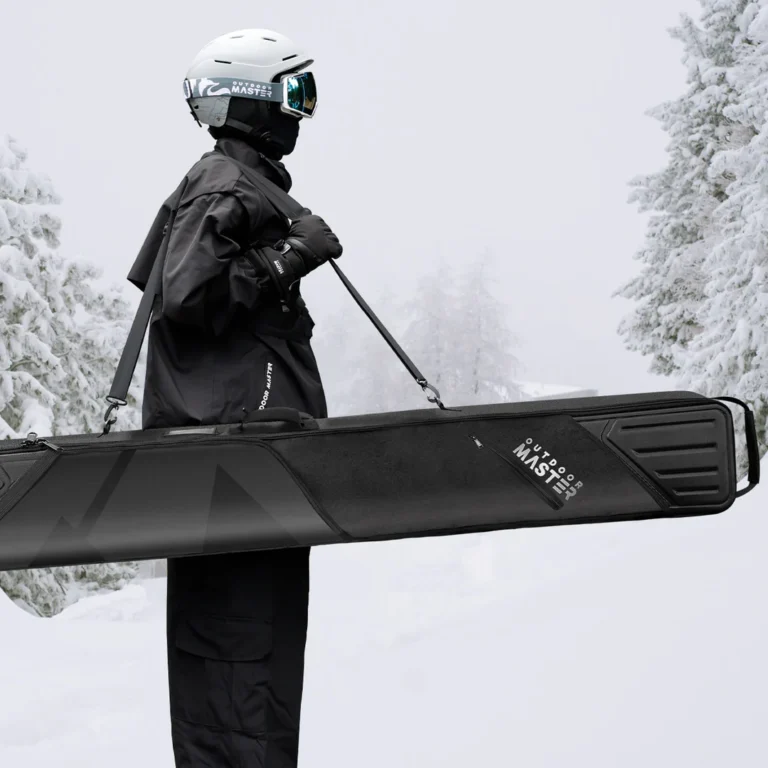
- OutdoorMaster Ski Bag: Holds skis up to 185 cm and offers multiple compartments, durable ABS end protection, reliable YKK zippers with inner straps, plus a removable padded shoulder strap and top handle for easy carrying.
- Dakine Line Skis Ski Bag 2025: Affordable but slightly upgraded build; suitable for casual travel.
Pros & Cons:
- Pros: Low cost, lightweight, suitable for short trips
- Cons: Some budget bags have no wheels, limited padding, may only fit one pair or less extra gear
Best for: Occasional skiers, road trips, minimal gear, looking for basic protection without big investment.
Mid‑Range Ski Bags (Balanced Features & Performance)
If you travel more often, fly to your ski resort, or carry more gear (boots, poles, clothes), mid‑range is your sweet spot. You’ll get wheels, larger capacity, better materials.
Top Picks:
- Outdoor Master Skis & Snowboards Bag: Use for skis or snowboards, expandable size, multiple compartments, easy roll wheels.
- Thule Round Trip Ski Roller Bag: Excellent mid‑tier choice; featured as “Best for Air Travel” in testing.
Pros & Cons:
- Pros: Wheels, better padding/build, more storage capacity
- Cons: Heavier bag, higher cost, still might hit overweight if fully loaded
Best for: Frequent skiers, multi‑day trips, carry boots/poles/clothes, fly regularly.
Premium Ski Bags (Top‑Tier & Frequent Travelers)
For serious destination skiing, flying overseas, or carrying multiple pairs (say two pairs of skis + boots + gear), premium ski bags are worth the investment.
Top Picks:
- The North Face Base Camp Snow Roller Bag: Premium build, large capacity, designed for heavy travel.
- Dakine Fall Line Ski Roller Bag: offers premium durability at slightly lower cost. According to reviewers, it held up through road+air travel across continents.
Pros & Cons:
- Pros: Maximum durability, high capacity, best wheels/handles, longest lifespan
- Cons: High cost, heavier weight, may exceed airline baggage limits if you overfill
Best for: International travel, guides/pros, two pairs of skis or large gear loads, want long‑term investment.
Ski Bag Brand Comparison — Which Brands Stand Out?
Here’s a quick brand‑comparison table for major ski travel bag makers:
| Brand | Known For | Average Price Range | Best Use Case |
|---|---|---|---|
| Outdoor Master | Small selection of mid range bags | $$ (mid‑range) | Occasional and frequent air or car/bus travel. |
| Dakine | Broad ski bag line, good mid‑price quality | $$ (mid‑range) | Occasional and frequent air or car/bus travel. |
| Thule | Premium wheels/rollers, high travel build | $$‑$$$ | Air travel with skis + gear |
| The North Face | Top‑tier durability, high price | $$$ | Long haul destination ski trips |
| Line / Ripzone | More budget‑oriented, entry‑level products | $ | Occasional skiers, car‑travel |
| Brand | Known For | Average Price Range | Best Use Case |
Additional brand notes:
- Warranty & customer service vary: Choose brands with good return/repair policies.
- Material innovation: Some brands use recycled fabrics or strong reinforcements—important for heavy travel.
Sustainability and Eco‑Friendly Options in Ski Bags
Travel gear is increasingly expected to be eco‑responsible. Here’s how to be smarter when buying ski bags:
What to look for:
- Recycled materials: Polyester made from recycled bottles, eco‑coatings
- PVC‑free or low‑impact coatings
- Third‑party certifications (e.g., bluesign®, GRS)
- Durable build (long lifespan means less frequent replacement)
- While not all brands publish full sustainability disclosures, choosing a premium bag that lasts 10+ years may be a greener choice than replacing multiple cheap ones.
Tips:
- Buy the best bag you can afford (since it lasts longer)
- Repair rather than replace: gears like zippers, wheels can often be fixed
- Use versatility: pick a bag that can carry multiple skis/gear so you don’t need separate bags
How to Choose Based on Your Travel Style & Budget
Here’s a quick comparison to guide the decision:
| Travel Style | Budget Tier | Mid‑Range | Premium |
|---|---|---|---|
| Ski 1‑2 times/year, drive to resort | Basic single pair bag, minimal features | If travel by plane occasionally | Overkill |
| Fly 2‑3 times/year, bring boots/poles/clothes | Might work if light‑pack only | Wheel bag, double capacity, strong build | Premium if you carry multiple pairs or gear |
| International destination trips | Risky: may lack durability/wheels | Solid option if cost matters | Ideal: best protection + lifespan |
Airline Baggage Note: Some bags get heavy when filled. Always check airline weight/size limits. Invest in wheels + strong handles if flying.
Packing & Maintenance Tips for Your Ski Bag
- Do clean and dry your skis before packing — moisture can damage both skis and bag.
- Do use boots or clothing as filler around skis to reduce motion inside the bag.
- Don’t just drop it in without securing skis with internal straps (if included).
- When flying: Use a luggage tag, wrap bindings or protect edges if possible, check bag exterior for damage after arrival.
- Maintenance: After each trip, unzip fully, air out the bag, check wheels and handles, store in cool dry area.
- Storage tip: With long seasons, avoid storing bag in direct sunlight or compressed for months; this keeps materials intact.
Final Thoughts
Choosing the right ski bag is about matching your travel style, budget, gear count and durability needs. A smart investment now can save you money on gear repairs, airline over‑charges, travel stress and gear replacement. Whether you pick a budget model for casual trips or a premium roller for world‑wide adventures — the key is to pick what fits your scenario.
Ready to shop? Browse our list of top‑tier ski bags and decide which tier fits your needs — and be sure to check current deals and sizes.
Check availability of models today and pick your ski bag before your next trip — because there’s no worse moment than rushing last minute with gear under‑protected.
FAQ
Q1: What size ski bag do I need?
A: Choose a bag length that exceeds your ski length plus poles. Many bags list max ski length (e.g., 185 cm or 200 cm).
Q2: Can I carry ski boots in the same bag?
A: Yes — many mid‑range and premium bags include boots/pole compartments. Otherwise use a separate boot bag.
Q3: Should I get a hard‑case or soft ski bag?
A: Hard‑case offers higher protection (especially for air travel) but weighs more and is more expensive. Soft bags are lighter and more flexible.
Q4: How do I avoid overweight airline fees?
A: Choose a lighter bag (wheels add weight), pack smartly, check airline baggage weight limits, and weigh your bag before heading to airport.
Q5: Can ski bags be used for snowboards too?
A: Many models support either skis or snowboards (check dimensions). If you use both, consider a bag built for 2 pairs or mixed gear. For example: Outdoor Master Skis & Snowboards Bag

by: Blair Fontana
A versatile freelance content creator known for her engaging writing style and diverse range of interests. Blair has carved out a niche in lifestyle writing, captivating her audience with insightful articles… read more