Best Snowboard Backpack for Backcountry

A Complete Guide for Serious Riders
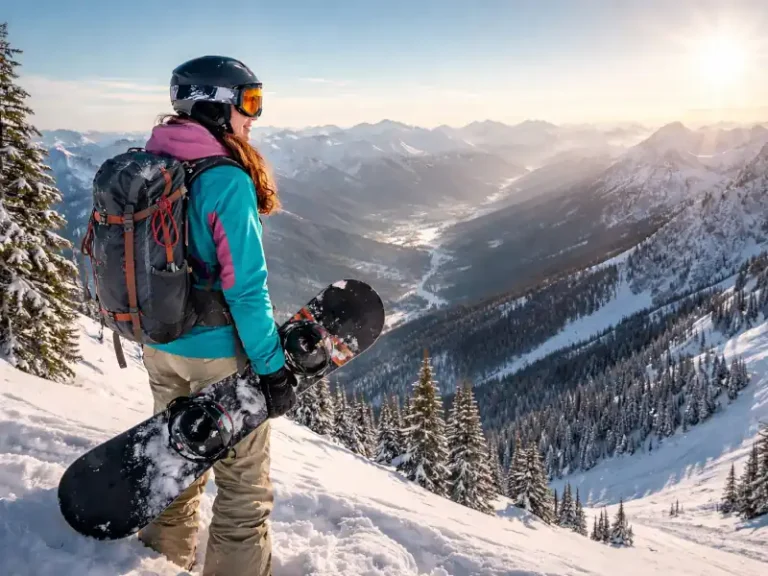
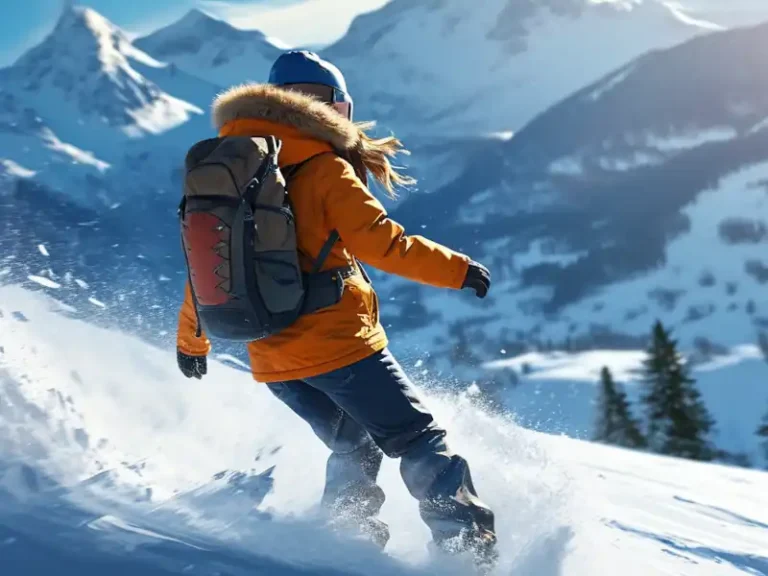
Venturing into the backcountry is one of the most rewarding experiences for snowboarders. Fresh powder, untouched lines, and total freedom await—but only if you’re properly equipped. Among all your gear, choosing the best snowboard backpack for backcountry riding is one of the more important decisions you’ll make. This backpack isn’t just for carrying items; it’s a safety tool, a comfort system, and a critical part of your overall setup.
This in-depth guide will help you understand exactly what to look for, what features matter most, and how to choose a backpack that fits your riding style and terrain.
Why a Backcountry Snowboard Backpack Is Essential
Backcountry snowboarding demands self-sufficiency. Unlike resort riding, there are no patrols, lifts, or warming huts nearby. A dedicated backcountry snowboard backpack allows you to:
- Carry avalanche safety gear
- Transport food, water, and extra layers
- Secure your snowboard during hikes or boot packs
- Maintain balance and comfort over long distances
The best snowboard backpack for backcountry riding is designed specifically for these challenges, offering durability, smart organization, and rider-focused ergonomics.
Key Features to Look for in the Best Snowboard Backpack for Backcountry
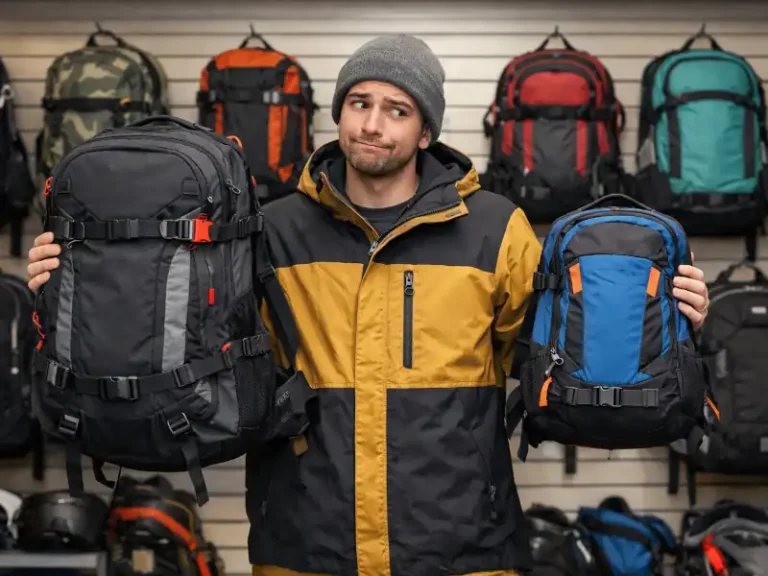
Not all backpacks are created equal. Below are the most important features you should evaluate before buying.
1. Backpack Capacity (Size Matter)
Backcountry snowboard backpacks typically range from 20L to 35L, and choosing the right size depends on trip length. If you do all trips, from long to short then opt-in for a larger one. You can always pack less into it for those shorter trips but not the other way round.
- 20–25L: Short day trips, minimalist setup
- 25–30L: Most popular for full-day tours
- 30–35L: Long missions or overnight trips
If you regularly carry extra layers, camera gear, or group safety equipment, also err on the side of more capacity.
2. Avalanche Safety Gear Compatibility
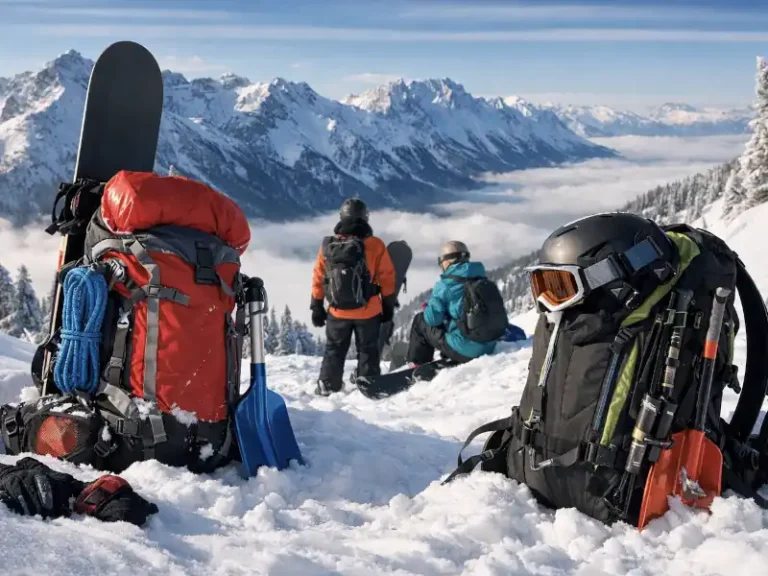
This is non-negotiable. The best snowboard backpack for backcountry use must have a dedicated avalanche tools compartment for:
- Shovel
- Probe
This compartment should be quick-access and separate from your main storage so you can respond instantly in an emergency.
3. Snowboard Carry Systems
Backcountry terrain often requires hiking or scrambling where riding isn’t possible. A good backpack should securely carry your board using one of these systems:
- Vertical carry – Best for narrow boot packs
- A-frame carry – Better balance for long ascents
- Diagonal carry – Quick and versatile
Look for reinforced straps and buckles that won’t ice up in cold conditions.
4. Comfort and Fit
A poorly fitting backpack can ruin an otherwise perfect day. Focus on these comfort features:
- Ergonomic shoulder straps
- Adjustable sternum strap
- Padded hip belt (very important for load transfer)
- Breathable back panel
The best snowboard backpack for backcountry riding should feel like an extension of your body, not a burden.
5. Weight and Durability
Every ounce matters when you’re climbing thousands of vertical feet. Lightweight materials are ideal, but not at the cost of durability.
Look for:
- Ripstop nylon or high-denier fabrics
- Reinforced stress points
- Weather-resistant zippers
The goal is a backpack that’s tough enough to handle sharp edges, rough terrain, and harsh weather without weighing you down.
Advanced Features That Also Make a Big Difference
Once the basics are covered, these extra features can elevate your experience.
Hydration System Compatibility
Staying hydrated in cold weather is crucial. Many backcountry riders prefer backpacks that support:
- Hydration reservoirs
- Insulated hose sleeves to prevent freezing
This allows hands-free hydration without stopping.
Helmet Carry
A dedicated helmet carry system is extremely useful during climbs or transitions. It keeps your helmet secure without taking up valuable internal space.
Ice Axe and Tool Attachments
If you ride technical terrain, having external attachment points for ice axes or crampons is a major advantage.
Internal Organization
The best snowboard backpack for backcountry adventures will have:
- Goggles pocket (fleece-lined)
- Small zip pockets for keys, repair tools, or snacks
- Clear separation between wet and dry gear
Good organization saves time and reduces frustration in cold, windy conditions.
Choosing the Right Backpack Based on Your Riding Style
For Day Tour Riders
If you mostly do single-day tours, focus on:
- 25–30L capacity
- Lightweight construction
- Quick-access avalanche pocket
This setup balances comfort and efficiency.
For Splitboarders
Splitboarders should prioritize:
- A-frame ski carry compatibility
- Strong hip belt
- Low-profile design for uphill efficiency
The best snowboard backpack for backcountry splitboarding keeps weight centered and stable.
For Freeride and Steep Terrain Riders
Steep terrain demands:
- Secure diagonal carry
- Durable materials
- Minimal sway
A slim profile helps maintain balance during technical descents.
Common Mistakes to Avoid When Buying a Backcountry Snowboard Backpack
Even experienced riders can make these mistakes:
- Choosing style over function
- Buying too small a capacity
- Ignoring fit and torso length
- Overloading with unnecessary features
Remember, the best snowboard backpack for backcountry riding is the one that matches your actual needs—not just what looks cool.
Maintenance Tips to Extend Backpack Lifespan
To protect your investment:
- Dry your backpack fully after each trip
- Clean zippers regularly
- Avoid storing wet gear inside
- Inspect straps and buckles before every tour
Proper care ensures your backpack performs reliably season after season.
Environmental and Safety Considerations
Modern riders are increasingly aware of sustainability. Many backpacks now use:
- Recycled materials
- PFC-free water repellents
While eco-friendly materials are a plus, never compromise on safety features. In the backcountry, function always comes first.
Frequently Asked Questions (FAQs)
1. What size is the best snowboard backpack for backcountry trips?
Most riders prefer a 25–30 liter backpack, which offers enough space for safety gear, layers, food, and water without being bulky.
2. Do I really need a dedicated avalanche tools pocket?
Yes. A separate avalanche compartment allows fast access to your shovel and probe during emergencies, which can save lives.
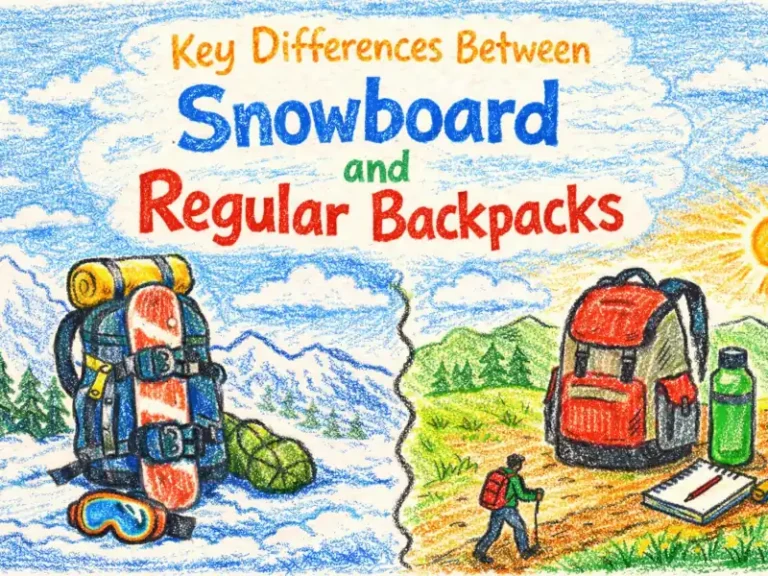
3. Can I use a regular snowboard backpack for backcountry riding?
Regular backpacks often lack avalanche gear storage and secure board carry systems. A purpose-built backcountry backpack is strongly recommended.
4. Is a hip belt necessary?
Absolutely. A padded hip belt transfers weight from your shoulders to your hips, reducing fatigue during long ascents.
5. How important is hydration compatibility?
Very important. Dehydration affects performance and decision-making. Hydration systems make it easier to drink consistently.
6. What makes a backpack truly backcountry-ready?
Key factors include avalanche safety compatibility, secure snowboard carry options, comfort under load, durability, and smart organization.
Conclusion.
Finding the Best Snowboard Backpack for Backcountry Adventures
Choosing the best snowboard backpack for backcountry riding is about more than just storage—it’s about safety, efficiency, and confidence in remote terrain. The right backpack keeps your essential gear organized, supports your body during long climbs, and allows quick responses when conditions change.
By focusing on capacity, avalanche safety features, comfort, and durability, you can find a backpack that perfectly matches your riding style and terrain preferences. Take the time to choose wisely—your back, your safety, and your overall experience in the backcountry will thank you.

by: T. Belleau
Health and sports are at the heart of Trisha’s writing passion. An avid cyclist, mountain biker, and e-biker, she brings firsthand experience and genuine excitement to her sports-related articles. Trisha’s love for the outdoors extends… read more