Ski Smart: Affordable Kids’ Gloves to Keep Hands Dry and Warm
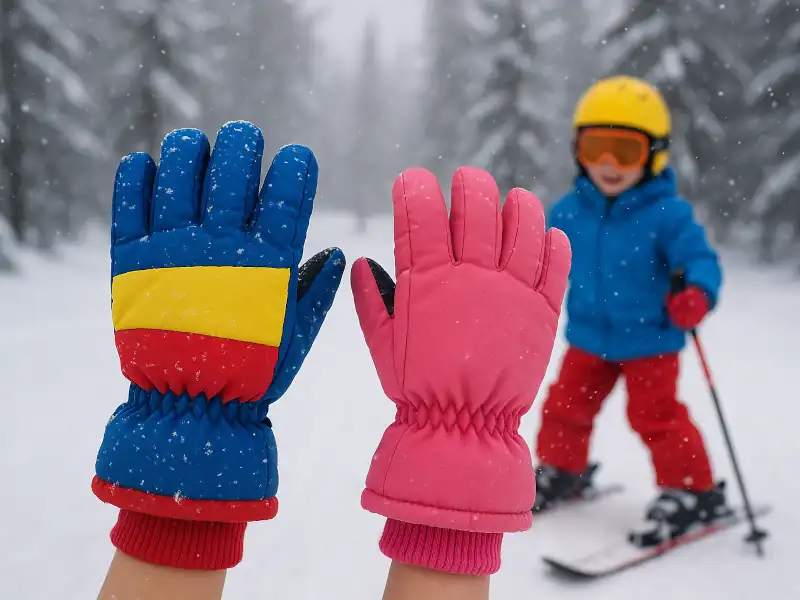
Winter gear for kids can get expensive fast — ski jackets, pants, goggles, boots… it adds up! But one essential piece you don’t have to overspend on is the gloves. Whether your child is hitting the slopes or just bombing down the backyard hill, keeping their hands warm and dry makes all the difference to fun and comfort. The good news: you can absolutely find affordable kids’ ski gloves that do the job well. In this blog, we’ll cover what matters in a budget glove, how to pick the right size, how to care for them — and give you some solid picks that deliver value.
Why the Right Ski Gloves Matter for Kids
Kids’ hands get cold faster than adults’ — they lose heat quicker and the margin for error is smaller. On the slopes or playing in fresh powder, gloves designed for ski/snowboard use are a step up from everyday winter mitts. They typically offer better waterproofing, longer cuffs to keep snow out, improved grip for poles or snow play, and more robust materials to handle the extra wear. In other words: the right glove doesn’t mean “fancy brand price” but “smart features + good fit”.
What to Look for in a Budget Kids’ Ski Glove
When shopping budget‑friendly gloves, these are the features you’ll want to check off:
Waterproofing & breathability
One of the top performance markers is the glove’s ability to block moisture while letting sweat escape. In kids’ gear guides you’ll often find a recommendation like “look for at least 10,000 mm waterproof rating” for serious use. Even better: look for sealed seams and long cuffs that go over your coat sleeve to stop water entry.
Insulation & warmth
Good insulation is critical — especially if your ski day turns into an all‑day outing or you’re in a colder climate. Gloves with decent inner lining, or even a glove + liner combo, let you manage cold better.
Long cuffs & wrist straps/leashes
A long cuff that fits over the jacket helps stop snow from creeping in. Adjustable wrist straps or leashes keep the gloves on and snug, which matters for active kids.
Grip & dexterity
Kids will want to grab poles, throw snowballs, zip up jackets — so the glove needs a flexible palm/grip. Some gloves sacrifice dexterity for warmth; balance is key.
Correct sizing & fit
Gloves too tight restrict insulation space and movement; too loose or big can let snow in or make pole‑handling awkward. Make sure they fit well with the child’s ski jacket and allow movement.
Durability & ease of care
For a budget buy, you still want something that will last at least a couple of seasons (ideally more). Check if the glove is easy to dry, doesn’t have super delicate care requirements, and has solid materials.
Stylish or fun look
Let’s be honest: kids are more likely to actually wear gloves they like the look of them. Good color/pattern options can make a difference for morale. But don’t let style override performance.
How to Pick the Right Size and Fit for Your Child
Here are some tips to get the fit right:
- Measure the child’s hand length (from base of palm to tip of middle finger) and the widest part of the palm. Check the manufacturer’s size chart—they vary by brand.
- Ensure there’s a little bit of room for a liner or light layering underneath, but not so much that fingers flop around.
- The cuff should cover the coat’s sleeve or even sit over it slightly — that helps prevent snow from sliding in.
- When trying on, have the child simulate gripping something, bending fingers, checking if the glove pulls away at the wrist. A glove that restricts movement or feels bulky will reduce comfort and performance.
- If ski trips are occasional, ultra‑budget might be fine. If your child skis often, you may want to invest a little more—but still smart value over high price.
Care & Maintenance to Extend Glove Life
A budget glove will serve you much better if you care for it properly. Here’s how:
- After a ski day, shake off the snow & salt, wipe down the exterior, remove any liners, and air‑dry the gloves (not too close to a radiator or direct heat).
- Over time, the waterproof membrane may get clogged by oils or dirt — a gentle rinse and occasional waterproofing spray can help maintain performance.
- Store gloves in a dry place, open cuffs so they air out, avoid crushing them in gear bags.
- If you spot damage (e.g., seam loosening, palm wear), fix it before it gets worse; a little repair can add seasons. Good care means you’ll get far better value even from a budget glove.
Top Budget‑Friendly Kids’ Ski Gloves to Consider
Here are some strong value picks (links included) that hit different budget tiers and use cases:
- Joe Fresh Kid Girls’ Pastel Snow Gloves: Very affordable (~ $14) — great starter option for casual ski days or young kids.
- MoKo Kids Waterproof Ski Gloves: Budget waterproof glove (~ $20) — offering decent specs for its price.
- Ripzone Junior Reign Short Cuffed Winter Gloves: (~ $24) — a mid‑budget glove with good features for more active kids.
- Andake Kids Warm Waterproof Ski Mittens/Gloves: (~$25) — flexible glove/mitten style, good for value‑seeking parents.
- Deux Par Deux Winter Mittens Kids: (~ $38) — a little higher budget but still value‑oriented, good insulation.
- Spyder Cubby Ski Mitten Toddler Boys: (~ $40) — a premium value pick for younger kids committed to slopes.
- Columbia Whirlibird III Gloves Kids: (~ $49) — upper end of “budget” but still below many premium gloves; good for frequent ski use.
Budget vs. Premium: When It’s Worth Spending More
You might wonder: when is it worth spending more than typical budget options? Here are situations where upgrading makes sense:
- The child skis/boards frequently (many weekends) or in very cold/wet climates — premium gloves may offer much better waterproofing, insulation, and durability.
- If you need specialised features like removable liners, touchscreen compatibility, extremely long cuffs, or leather palms for grip and durability.
- If you plan to reuse the gloves for multiple children over many seasons (value per dollar goes up).
But for many families who ski a few times a season, the budget picks above — if chosen well and cared for — will do the job reliably without overspending.
TL;DR
You don’t have to blow your budget to keep little hands warm, dry, and ready for fun on the snow. Focus on the features that matter: waterproofing, insulation, fit, and cuff design — and check our recommended picks if you’re value‑focused. Grab the right size, treat the gloves well, and your kid can enjoy slope time comfortably without frozen fingers. Here’s to playful ski days and hands that stay toasty!
FAQs
Q: Are ski gloves different from regular winter gloves for kids?
A: Yes — ski/snowboard gloves typically offer stronger waterproofing, longer cuffs to keep out snow, better grip surfaces, and more durability for active snow use (versus casual winter wear).
Q: How tight should ski gloves fit kids’ hands?
A: They should fit snug but not too tight. There should be enough space for a light liner or movement. If too tight, insulation is squeezed out and fingers may get cold; too loose and you get slippage or snow intrusion.
Q: Can mittens be more budget‑friendly than gloves?
A: Often, yes. Mittens keep fingers together which helps warmth, and fewer moving parts means simpler construction — sometimes more value for money. But you lose a degree of dexterity (gripping poles, using zippers, etc.).
Q: How do I know if a glove is truly waterproof?
A: Look for specs like a waterproof membrane (e.g., 10,000 mm+ rating), sealed seams, and user reviews showing dry hands after hours of snow.

by: Blair Fontana
A versatile freelance content creator known for her engaging writing style and diverse range of interests. Blair has carved out a niche in lifestyle writing, captivating her audience with insightful articles… read more