Kids’ Ski Gloves — Warm & Durable Options
Heading to the slopes with your little ones? The right ski gloves can make or break a day on the snow. Kids’ hands lose heat faster than adults’, and wet, cold fingers can quickly cut a fun ski day short.
That’s why investing in warm, waterproof, and durable kids’ ski gloves is essential — especially if you want a pair that lasts more than one season. In this article, you’ll learn what to look for in kids’ best ski gloves, why those features matter, and see top picks available now to help you make a confident choice.
What to Look For in Kids’ Ski Gloves
1. Warmth & Insulation
- Choose gloves or mittens with synthetic insulation or fleece/wool lining — these materials stay warm even when damp, unlike cotton.
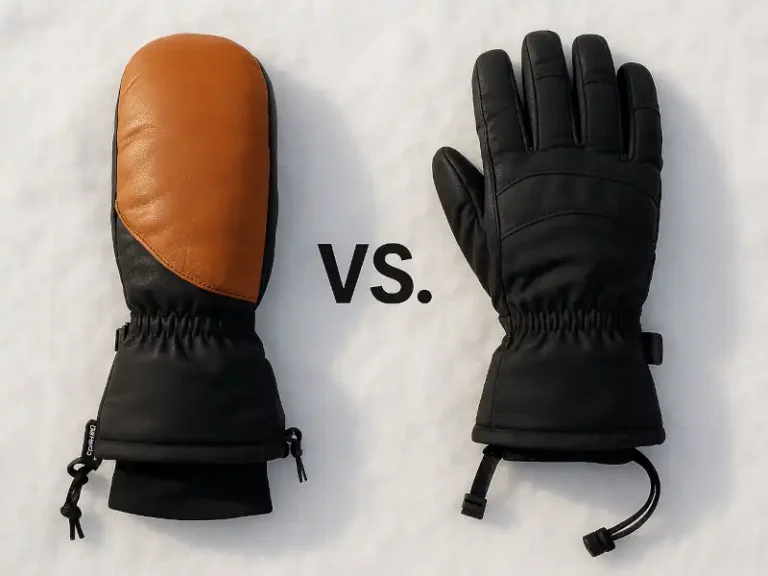
- For very cold days, mittens tend to keep hands warmer than gloves because fingers share a common compartment, so they generate and retain more heat.
2. Waterproofing & Breath-ability
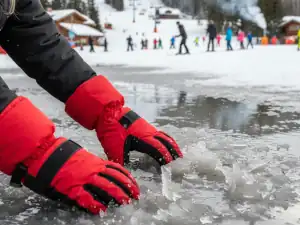
- Waterproof membranes or coatings help keep snow and moisture out — essential for skiing or snow play.
- At the same time, breath-ability (venting sweat/moisture) matters if kids are active — preventing cold, clammy hands once activity slows.
3. Fit & Cuff/Seal Design
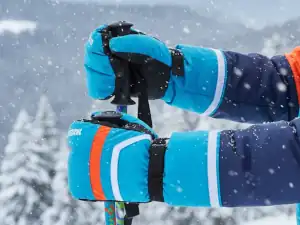
- Gloves should fit snugly (fingers reach glove tips, but not cramped) yet allow movement — too tight can restrict blood flow; too loose can let cold air in.
- Long cuffs or “gauntlet-style” sleeves that fit over the jacket help seal out snow and cold. Velcro or adjustable wrist closures improve the fit and seal.
4. Durability & Reinforcement

- Reinforced palms or fingertips (often with leather or abrasion‑resistant materials) provide better grip (ski poles!) and withstand wear from repeated use.
- Especially for kids (who might fall or play hard), durability matters — a glove that tears/spills snow in on first outing isn’t worth the money.
5. Dexterity vs. Warmth Trade‑Off
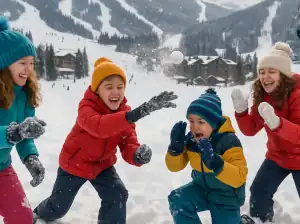
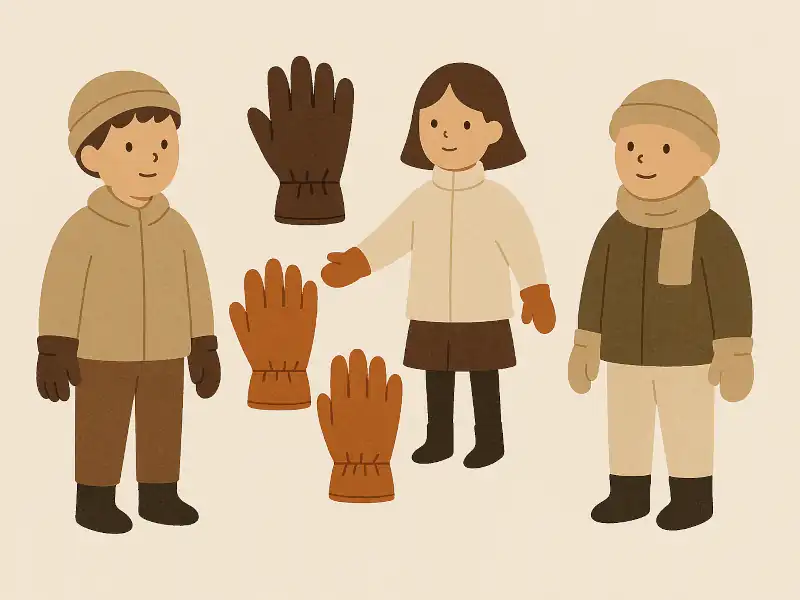
- Gloves (with separate fingers) give more dexterity (e.g., holding poles, zippering jacket) but often a bit colder. Mittens give more warmth but limit finger movement.
- Consider your child’s age, skill level, and how they’ll be using the gloves (skiing vs. snow play vs. snowball fights).
Top Picks: Warm & Durable Kids’ Ski Gloves for 2026
- The North Face Montana Ski Gloves Kids – A top-tier option balancing warmth, waterproofing, and comfort. Great for regular skiing days or extended snow play.
- Kombi Junior Kids Thermal Insulated Winter Ski Gloves – Known for insulation and durability, ideal if you want a long-lasting glove that can handle frequent winter outings.
- Columbia Kids’ Whirlibird III Gloves – A solid mid-range glove with good warmth and weather protection; good value if you want dependable gear without overspending.
- Mountain Warehouse Extreme Kids Waterproof Ski Gloves – A budget-friendly waterproof glove — a good pick for occasional skiing or snow play without spending too much.
Tips for Choosing & Maintaining Kids’ Ski Gloves
- Always size properly. Too big = cold air and snow seep in; too small = restricts circulation, cold fingers.
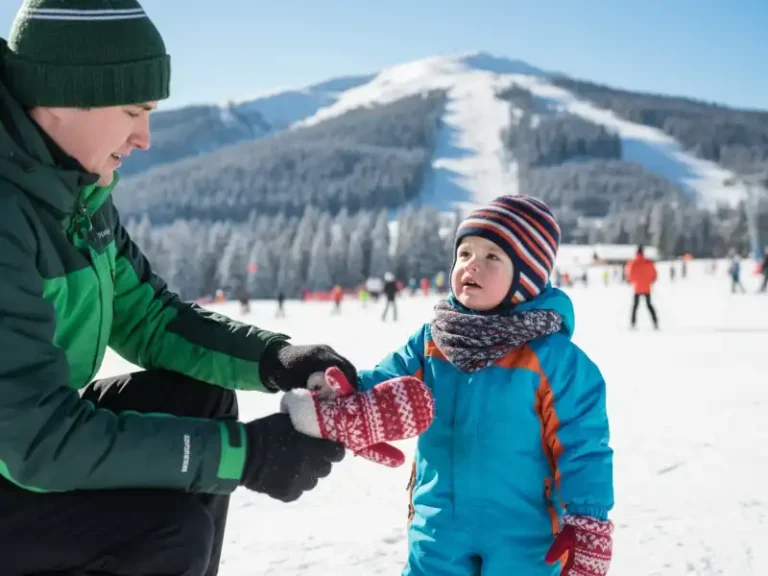
- Choose mittens for younger kids or very cold days. If dexterity isn’t a priority (e.g., playing, snowball fights), mittens often outperform gloves in warmth.
- Focus on waterproof + breathable materials. Waterproof shells plus breathable linings keep hands warm and help sweat escape — a key balance for skiing.
- Don’t forget the cuff. Long cuffs or gauntlet‑style designs help seal against snow and prevent cold air or slush from entering sleeves.
- inspect wear & tear regularly. Reinforced palms/fingertips help, but once seams or fabric start wearing, water can leak — reducing warmth and usefulness.
Summing It All Up
Picking the right ski gloves for kids goes beyond appearance — it’s about insulation, waterproofing, fit, and durability. The right pair ensures kids’ hands stay warm, dry, and comfortable so they can enjoy every moment on the slopes or in the snow.
For most families, a mid‑range glove like Columbia’s or Kombi’s delivers excellent value. But if you’re a frequent ski family, premium gloves like The North Face or Burton’s Gore‑Tex models are worth the investment.
With the gloves above and a good understanding of what to look for, you’ll be set for a winter full of fun — no frozen fingers allowed.
FAQs About Kids’ Ski Gloves
1. What is better for kids — ski gloves or mittens?
Mittens are generally warmer because fingers stay together, generating more heat. They’re ideal for toddlers and young children or extremely cold weather. Gloves provide more dexterity, better for older kids who need to grip ski poles or zippers.
2. How do I know what size ski gloves my child needs?
Measure your child’s hand length (from wrist to fingertip) and compare it to the manufacturer’s sizing chart. Gloves should fit snugly, with room to wiggle fingers, but not too loose or tight.
3. Are all kids’ ski gloves waterproof?
No — not all are fully waterproof. Look for gloves with a waterproof membrane (like Gore-Tex or polyurethane layers) and a water-repellent outer shell for maximum protection.
4. How can I keep my child’s hands warm in extremely cold conditions?
Choose well-insulated mittens with a long cuff, add hand warmers inside if needed, and make sure the gloves stay dry throughout the day. A properly fitted glove or mitten is key to maintaining warmth.
5. How do I clean and care for kids’ ski gloves?
Most gloves should be spot cleaned with mild soap and air dried. Avoid washing machines unless the label says machine-washable. Never use heat to dry — it can ruin the waterproofing and insulation.
6. Should ski gloves go under or over the jacket sleeve?
Over the jacket sleeve is best — especially with gauntlet-style gloves. This prevents snow and cold air from entering. Use adjustable wrist straps or drawcords for a snug seal.
7. Can kids use the same gloves for snowboarding and skiing?
Yes. Snowboarding and skiing gloves are usually similar in function. Just make sure they’re well-padded, waterproof, insulated, and have reinforced palms.

by: Ray Pember
Ray is an experienced wordsmith who has dived deep into various niches. With over two decades under his belt, he knows a thing or two about staying afloat in this ever-evolving digital world… read more