Do You Need a Padded Ski Bag for Downhill Skis?
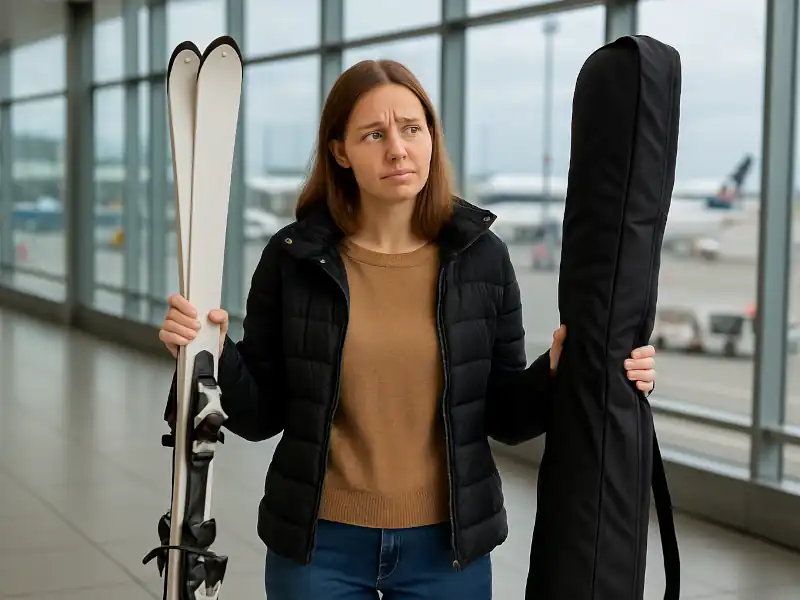
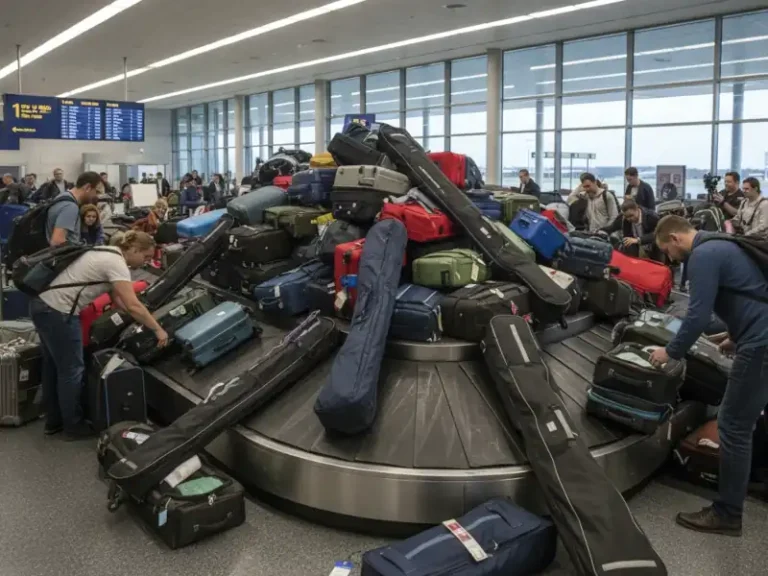
Picture this: you land at your destination, excited for fresh snow, only to unzip your ski bag and discover nicks, cracks, or bent bindings. Ouch. That’s the nightmare every downhill skier hopes to avoid.
So, do you really need a padded ski bag for downhill skis? The short answer: often yes — but it depends on how, where, and how far you’re traveling. In this article, you’ll get the lowdown on when padding matters, when it’s overkill, and how to choose the right bag (plus smart packing tips).
Why Bother With a Ski Bag at All?
Before we talk padding, let’s talk risks and benefits.
- Protection in transit. Skis are long, rigid, and vulnerable. They can be dropped, slammed, or crushed against other luggage. A bag gives them a fighting chance.
- Organization & convenience. Many ski bags let you carry poles, tools, clothes — not just the skis — reducing how many separate bags you haul.
- Peace of mind. Knowing your gear is less likely to get damaged takes some of the stress out of travel.
If you’re just local — driving short distances — the risk is lower. But once you fly, hop buses, or deal with baggage handlers, the odds of knocks increase.
What “Padded” Really Means — Types & Levels
Not all padded ski bags are created equal. Here’s what to watch for:
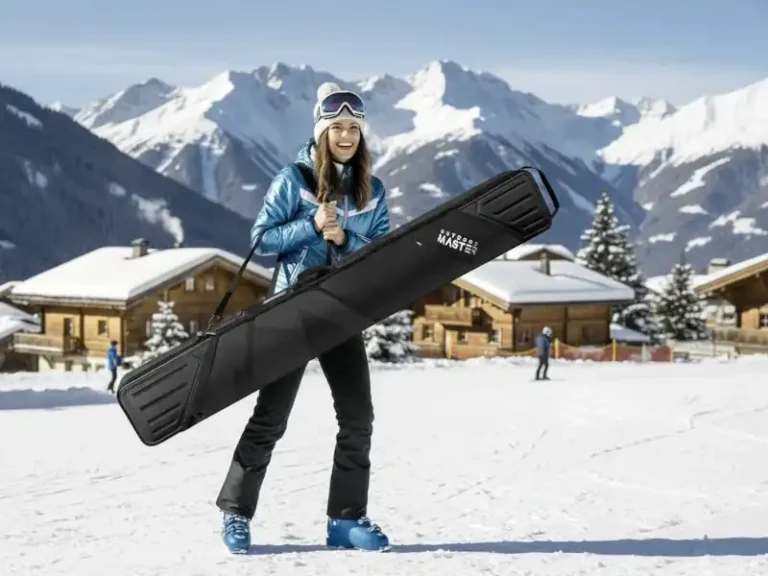
- Soft padded bag / ski travel bag. Usually made of fabric (nylon, ripstop, polyester) with foam or quilted padding, often thicker at tips, tails, and sometimes bindings.
- Hard case / rigid tube. Tough outer shell (polyethylene, plastic) with internal end padding. Great for brute protection, less flexibility.
- Hybrid / semi-rigid. Combines soft body with reinforced panels or stiffened zones.
Trade‑offs:
- Weight & bulk. More padding = heavier and more space taken.
- Flexibility. Soft bags fold or squeeze more easily; hard cases do not.
- Protection zones. The most vulnerable spots are the tips, tails, and bindings, so padding there counts more than everywhere being thick.
Gear reviewers in 2025 call a padded ski bag “the best way to protect skis” during both air and road travel. Travel + Leisure
When Padded Bags Matter Most
Here are the scenarios where a padded ski bag makes a big difference:
- Flying / checked‑baggage trips. Airlines, conveyor belts, and baggage handlers don’t always handle things gently.
- Long road trips or rough roads. The extra bounce, vibrations, and gear shifting can cause damage.
- High-end or custom skis. If your skis cost big bucks, the extra protection is worth it.
- Multiple transfers / handling. Each change of vehicle, terminal, etc. is a risk point.
- Shipping your skis. If you’re sending them ahead (rather than carrying), robust padding or a hard case helps.
In gear reviews, padded and roller hybrid ski bags are often top picks for their balance of protection and practicality. Treeline Review+1
When You Might Skip or Scale Down the Padding
Yes, there are cases where a full padded bag might be overkill:
- Local car trips. If you’re driving a few hours and not doing transfers, basic protection plus care may suffice.
- Using clothing or soft gear as buffers. Jackets, pants, socks stuffed around the skis can cushion minor shocks.
- On a tight budget. If you’re traveling infrequently, maybe a mid‑level padded bag is enough.
- Renting gear at your destination. If you don’t bring your own skis, you may not need a heavy travel bag.
Just know you’re accepting higher risk. If your ski gear is your pride, most serious travellers err on the side of padding.
Real User Insights & Anecdotes
What do fellow skiers say? A few nuggets:
“In a well padded ski bag, the biggest risk of damage is the skis/bindings banging into each other. Strap the skis together, and tie back the brakes.” Reddit
“I wrap the skis in an old sheet … protects the gear inside and prevents the skis from tearing the bag.” Reddit
These tips highlight that even a padded bag benefits heavily from smart internal packing.
Some travelers report airlines requiring waivers for soft‑sided ski bags, and that locked bags sometimes get cut open during inspection. Reddit Just one of many real‑world frustrations.
How to Choose a Good Padded Ski Bag
Okay, if you’re leaning toward getting one (or upgrading), here’s a checklist:
| Feature | Why It Matters |
|---|---|
| Correct length / fit | A bag slightly longer than your skis is ideal. Too much extra space lets things shift. |
| Targeted padding | Extra foam or reinforcement around tips, tails, and binding area matters most. |
| Internal straps / anti‑shift features | To hold skis firmly in place so they don’t bang around. |
| Durable materials | Ripstop nylon, ballistic fabrics, strong zippers, reinforced seams. |
| Wheels or rollers | Makes navigating airports far easier. |
| Handles / carry options | Multiple grab handles make lifting easier (from car roof, etc.). |
| Weight vs benefit | More padding adds weight; balance protection with your luggage constraints. |
Retailers like Dakine highlight these features in their ski travel bags. dakine.com Sun & Ski Sports offers padded ski bags with extra compartments and airline‑friendly specs. Sun & Ski
Packing Tips to Maximize Protection
A great bag is only as good as how you pack it. Here are pro tips:
- Use your soft ski clothing as buffer padding. Place jackets, pants, gloves, etc. around the skis inside.
- Wrap poles / secure in a separate sleeve. If poles flop around, they can damage edges.
- Strap skis together, binding to binding. Use velcro or straps so they don’t twist.
- Mind the ski edges. Cover sharp edges with cardboard, pipe insulation, or protective covers.
- Take photographs of packed gear. Especially useful if you file damage claims.
- Know airline equipment policies. Checked ski bags sometimes count as oversize—check weight/size rules ahead.
So, Do You Need a Padded Ski Bag?
In most “real world” traveling with downhill skis, especially if you’re flying or doing transfers, yes — a padded ski bag is a smart investment for preserving your gear and peace of mind.
If your trips are local and gear is affordable or easily replaceable, you might get by with lighter protection and careful packing. But for any serious skier, leaning toward better protection rarely hurts.
When in doubt: go with a decent padded or hybrid roller ski bag, pack smart, and you’ll reduce risk of damage (and heartache) on the way to the slopes.
FAQs / Voice‑Search Style Questions
Q: Can a soft padded ski bag protect skis on a plane?
A: Yes, if it has strong padding in key zones, internal straps, and durable material — but it won’t match the brute protection of a hard case. It’s much better than a bare sleeve.
Q: Is a hard ski case better than a padded bag?
A: Hard cases offer more external protection (resisting crushing), but they’re heavier, bulkier, less flexible, and often lack organizational pockets. For most travellers, a padded roller bag is more balanced.
Q: How much padding is enough?
A: More at tips, tails, and bindings is ideal. A few millimetres of foam in the middle is okay. Prioritize protection where impacts are most likely.
Q: Do airlines accept padded ski bags as checked luggage?
A: Generally yes, but they may count as oversize or special sporting equipment. Always check airline rules for weight limits and extra fees.
Q: Should I carry boots or put them in the ski bag?
A: If the ski bag has a compartment or space built-in, that’s great. If not, sometimes carrying boots separately (in boot bags) is safer and more flexible.

by: Blair Fontana
A versatile freelance content creator known for her engaging writing style and diverse range of interests. Blair has carved out a niche in lifestyle writing, captivating her audience with insightful articles… read more