Ski Helmets for Big or Small Heads: Getting the Right Fit
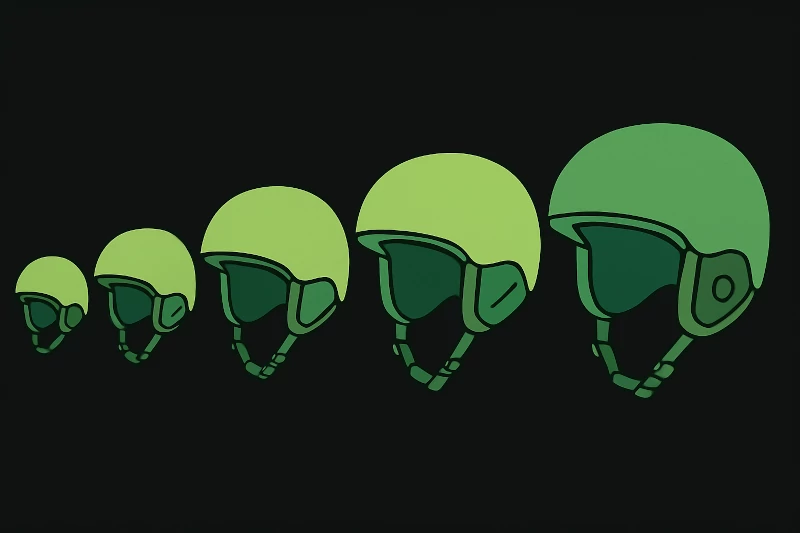
Finding a ski helmet that fits properly can feel impossible if your head size sits at either end of the spectrum. You deserve the same protection and comfort as everyone else, and yes, the right helmet exists for you. This guide will help you find it.
Why Proper Fit Actually Matters
A helmet that doesn’t fit correctly won’t protect you properly. It’s that simple. A loose helmet can shift or come off during a fall. A tight helmet creates pressure points that distract you from skiing and can cause headaches. Neither scenario is acceptable.
The good news? Helmet manufacturers now offer more size options than ever before. You just need to know where to look and what to look for.
How Ski Helmet Sizing Works
Ski helmets use head circumference measured in centimeters. To measure your head, wrap a soft measuring tape around your head about one inch above your eyebrows. The tape should sit level all the way around.
Standard adult sizes typically break down like this:
- Small: 51-55 cm
- Medium: 55-59 cm
- Large: 59-63 cm
- Extra Large: 63-67 cm
But here’s what most people don’t realize: head shape matters just as much as size. Some people have round heads, while others have more oval-shaped heads. A 58 cm round head needs a different helmet than a 58 cm oval head.
If You Have a Large Head
Your head’s got presence, and it deserves a helmet that can keep up. Standard XL helmets max out around 63-67 cm, which leaves many people without options.
Your main challenges include:
- Helmets that squeeze your temples
- Gaps at the back of your head where the helmet doesn’t reach
- Feeling like you’re wearing a child’s toy on your head
- Limited selection in stores
What to look for: Smith, Giro, and POC make helmets that run larger than average. Smith’s size charts often extend beyond typical ranges. Look for helmets with deep shells that provide more coverage. Adjustable fit systems help, but they can’t work miracles—you still need a shell that fits your head size.
Some helmets come in XXL sizes, though you’ll need to search specifically for them. Online retailers often stock extended sizes that local shops don’t carry.
If You Have a Small Head
Having a small head creates its own set of frustrations. Adult small helmets often still feel too big, but youth helmets might not offer the features or style you want.
Your main challenges include:
- Helmets that slide around when you move
- Too much space between your head and the shell
- The helmet sitting too low and blocking your vision
- Pressure on the top of your head from excess padding
What to look for: Many women’s helmets run smaller than unisex models, even when they show the same size range. Don’t let the “women’s” label stop you if you’re a man with a smaller head—helmets are helmets.
Youth large helmets (usually 55-59 cm) often fit small-headed adults perfectly. These helmets meet the same safety standards as adult helmets. The main differences are styling and sometimes fewer adjustment features.
Brands like Anon, Smith, and Giro offer helmets in smaller sizes. Look for models with minimal padding that you can add to rather than models with thick padding you need to remove.
The Proper Fit Test
Put the helmet on without fastening the chin strap. It should feel snug but not painful. Now shake your head side to side and up and down. The helmet should move with your head, not slide around on it.
Fasten the chin strap. You should fit one or two fingers between the strap and your chin, no more. The strap should form a “V” shape under your ears.
Press up on the back of the helmet. Your forehead skin should move with the helmet. If the helmet slides up your head while your skin stays put, it’s too loose.
Wear the helmet for at least 10 minutes. Hot spots or pressure points that seem minor in the store become major problems after an hour on the mountain.
Adjustment Systems Explained
Most modern helmets include a dial at the back that tightens or loosens an internal cradle. This system helps fine-tune the fit but can’t compensate for a shell that’s the wrong size.
Removable padding lets you adjust the fit in specific areas. Most helmets come with different thickness pads. Start with the thinnest pads if you have a larger head, or the thickest if you have a smaller head. You can always swap them out.
Some high-end helmets use BOA fit systems, which offer more precise adjustments than basic dials. These work well for difficult-to-fit heads because you can dial in the exact amount of pressure you need.
Brands and Models to Consider
For larger heads:
- Smith Vantage and Quantum: Both run large and come in XXL
- POC Fornix: Known for generous sizing
- Giro Range: Available in extended sizes with good adjustability
- Some Reddit users suggest Bern and Sandbox brands fit larger heads
For smaller heads:
- Anon Raider 3: Runs small even in the same size as other brands
- Smith Allure (women’s): Available in XS, fits down to 51 cm
- Giro Ledge: Simple design, true to size in smaller measurements
Always check the specific size chart for the exact model you’re considering. Sizing can vary between different models from the same brand.
Head Shape Matters Too
Even if the circumference is right, the shape needs to match. Round heads need round helmets. Oval heads need oval helmets. This information isn’t always listed on the box.
Try on multiple brands. If every helmet from one brand feels tight at your temples but loose at the front and back, you probably have an oval head and that brand makes round helmets.
Online reviews sometimes mention whether a helmet fits round or oval head shapes. This information is gold—use it.
Shopping Strategies
Buy from retailers with good return policies. You might need to order three helmets to find one that fits properly. This is normal and expected.
Visit a specialty ski shop if possible. Staff at these stores see more head sizes and shapes than staff at general sporting goods stores. They develop an eye for matching heads to helmets.
Shop in person when you can, but don’t limit yourself to what’s in stock locally. If a shop carries a brand you like, try on their available sizes to determine which size works for you, then order the specific model you want online.
Bring your ski goggles when you try on helmets. The helmet and goggles need to work together without gaps or pressure points.
Don’t Compromise on Safety
Here’s the thing about helmet fit: it’s not optional. A helmet that doesn’t fit properly provides less protection, period. The foam needs to be in contact with your head to absorb impact effectively. Gaps and movement reduce the helmet’s ability to protect you.
If you’re struggling to find a helmet that fits, keep looking. The right helmet exists. It might take more time and effort than it takes your average-headed friends, but your brain is worth it.
The Bottom Line
Your head size is what it is. Modern helmet technology and sizing options mean you don’t need to settle for poor fit. Measure carefully, try on multiple brands and models, and don’t buy until you find a helmet that fits correctly.
A properly fitted helmet feels comfortable enough that you forget you’re wearing it. It stays put when you move. It doesn’t create hot spots or headaches. And most importantly, it will protect you if you fall.
That helmet is out there waiting for you. Now you know how to find it.

by: Cory Willins
Cory is a dynamic and passionate content writer, specializing in sports-related topics. With over a decade of experience in the field, Cory has established… read more