Common Ski Glove Mistakes Beginners Make
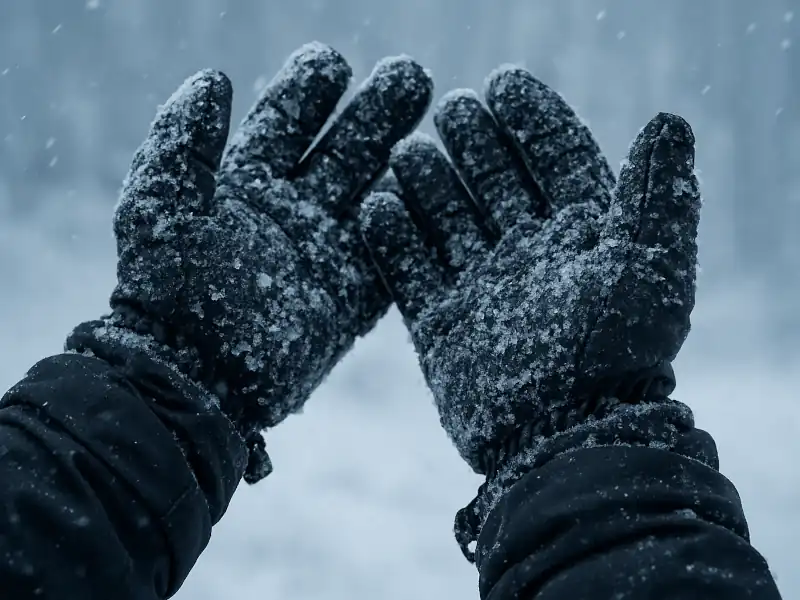
You’ve got your skis or board, your jacket is on point, and your goggles are ready to go. But hold up — what’s happening with your hands? If your fingers feel like icicles halfway down the first run, your gloves might be the culprit. Believe it or not, choosing and using ski gloves comes with its own set of traps — especially for beginners. In this post, we’ll break down the most common ski glove mistakes newbies make (and sometimes even intermediates!), so you can stay warm, dry, and confident on the slopes.
Not sure if you need gloves or mittens? – see our post on Ski Mittens vs. Gloves
1. Picking the Wrong Size (Too Tight or Too Loose)
- Too tight = cut-off circulation, numb fingers, and discomfort. Gloves that are overly snug can actually make you colder.
- Too loose = poor dexterity, bunching, and gaps where snow and cold air sneak in. You won’t grip your poles well.
- A good rule: when your fingers are fully extended, there should be about ¼ inch of space between your fingertips and the glove’s ends.
- Bonus tip: if you plan to wear liners (thin gloves underneath), make sure they fit with the liners on.
2. Neglecting Waterproofing / Breathability
- A gorgeous glove is useless if snow melts, seeps in, and soaks your insulation.
- Many ski gloves include waterproof/breathable membranes (e.g. Gore-Tex or proprietary tech) to block external moisture but let internal sweat escape.
- Common mistake: assuming “waterproof” always means perfect. Over time, membranes can degrade (e.g. from dirt, oils, or wear).
- Always check glove specs and care instructions. If your gloves have lost their water resistance, you may need a re-treatment or fresh gloves.
3. Skipping Glove Layering & Liners
- Some beginners think one outer glove will do it all. But layering (liner + shell) gives more flexibility, better insulation, and moisture management.
- On warmer days you might wear just the liners; on bitter cold days you pair liners with your shell.
- Mistake: buying a shell glove that’s too tight already, leaving no room for a liner.
4. Going Cheap (Quality Over Price)
- It’s tempting to grab the $20 “ski gloves” at a big-box store — but these often lack durability, proper insulation, or real waterproofing.
- Cheap gloves might work for a day or two — until seams split, water seeps in, or insulation compresses.
- Instead, think of gloves like an investment in comfort. Better gloves last multiple seasons, so the cost per day is lower.
5. Poor Wrist / Gauntlet Fit (Letting Snow In)
- Many gloves come with gauntlet-style cuffs that should go over your jacket sleeves. This keeps snow from creeping in during falls or deep snow.
- If your gloves are too short or your cuff doesn’t cinch, you risk cold drafts and wet wrists.
- Also, adjustable wrist straps (cinches) help seal the glove snugly against your wrist, improving fit and protection.
6. Overlooking Glove Care & Maintenance
- Even the best gloves fail if poorly maintained. Mistakes include:
- Machine-washing with harsh detergents
- Rinsing with hot water
- Tumble-drying or placing gloves near a heater
- Best practice: hand-wash with mild soap in lukewarm water, rinse gently, squeeze out excess water, and air-dry at room temperature. For leather gloves, reapply waterproof wax or treatment after drying.
- Don’t leave wet gloves in your car overnight in freezing temps — they’ll stay damp and stiff.
7. Ignoring Your Personal Cold Tolerance & Conditions
- Everyone’s circulation, cold tolerance, and weather conditions differ. A glove perfect for Utah’s dry, cold snow might underperform in a wet mountain region.
- Mistake: assuming one glove “fits all” seasons or regions.
- Instead: carry a backup (like lighter gloves or liners), or consider gloves built for specific conditions (e.g. wet, cold, storm, spring snow).
8. Fumbling With Dexterity & Tech Features
- Some newbies choose gloves with big bulky insulation without considering functionality.
- If your gloves are so bulky you can’t click bindings, zip pockets, or use your phone, that’s a problem.
- Look for gloves with strategic insulation, stretchy materials, and features like touchscreen-compatible fingertips.
Final Tips
Choosing and using ski gloves seems simple — until your fingers are frozen or soaked mid-run. Avoid these common mistakes, and you’ll be miles ahead of many beginners (and some intermediates) in comfort and performance.
- Get the sizing right (with room for liners)
- Confirm real waterproofing / breathable membranes
- Use layering (shell + liner)
- Don’t go too cheap — prioritize quality
- Ensure good cuff/gauntlet seal
- Properly care for your gloves
- Match gloves to your climate and body comfort
- Maintain dexterity & functional features

by: T. Belleau
Health and sports are at the heart of Trisha’s writing passion. An avid cyclist, mountain biker, and e-biker, she brings firsthand experience and genuine excitement to her sports-related articles. Trisha’s love for the outdoors extends… read more