
Can You Fit Ski Boots in a Downhill Ski Bag? The Complete Guide

If you’re planning a ski trip, one of the first questions you’ll face is how to pack your gear. With skis, poles, helmets, jackets, and bulky boots, space management becomes a real puzzle. A common question many travelers ask is: “Can you fit ski boots in a downhill ski bag?”
The short answer is sometimes—but it depends on your bag’s size, the type of boots you own, and how much additional gear you’re packing. In this guide, we’ll explore ski bag types, boot sizes, travel tips, and smart packing strategies to help you decide whether combining everything into one bag makes sense.
Understanding Downhill Ski Bags
What is a downhill ski bag?
A downhill ski bag is a protective travel case specifically designed to carry skis and poles. These bags often come with padded interiors, heavy-duty zippers, and reinforced ends to safeguard delicate ski edges and bindings.
Different types of ski bags
- Unpadded ski sleeves – Lightweight and affordable but provide minimal protection.
- Padded ski bags – Offer cushioning against knocks and scratches during travel.
- Wheeled ski bags – Built for air travel, with room for skis, poles, and sometimes extra gear including boots.
Standard dimensions of ski bags
Most downhill ski bags are built to accommodate skis between 160 cm and 200 cm long. While they’re perfect for skis and poles, they usually aren’t shaped for bulky items like ski boots.
Ski Boots vs. Ski Bag Size: The Big Question
Why most ski bags aren’t designed for boots
Ski boots are rigid, heavy, and much wider than skis or poles. Trying to squeeze them into a narrow ski bag can strain the fabric and zippers, risking damage.
Ski boot sizing and bulkiness explained
A single pair of adult ski boots can weigh 8–10 pounds (3.6–4.5 kg) and measure about 30 cm tall. That’s a lot of bulk to force into a bag already filled with skis.
Comparing ski bags with boot bags
A dedicated ski boot bag is designed with ventilation, padding, and compartments. By contrast, ski bags prioritize length over width, which makes boots harder to fit.
Can You Actually Fit Ski Boots in a Downhill Ski Bag?
Cases when it’s possible
- Over-sized wheeled ski bags: Some premium bags (like double-ski travel bags, combo bags) have enough width to accommodate boots.
- Children’s or smaller boots: Junior boots may fit more easily.
- Minimal packing: If you’re only carrying skis and boots, it might work.
Situations when it won’t work
- Slim, single-ski bags usually don’t have the width.
- Airline weight restrictions may make combined packing impractical.
- Boots inside the ski bag can damage skis if not padded properly.
Tips for testing the fit before traveling
- Place boots inside at home with padding (jackets, gloves) to prevent scratches.
- Weigh the bag to ensure it meets airline baggage limits.
- Try zipping carefully—if it’s a tight squeeze, don’t force it.
Ways to Pack Ski Boots
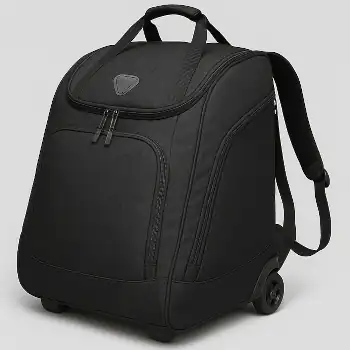
Dedicated ski boot bags
Boot bags are compact, ventilated, and often airline-approved as a carry-on. Carrying boots separately also guarantees they won’t get lost.
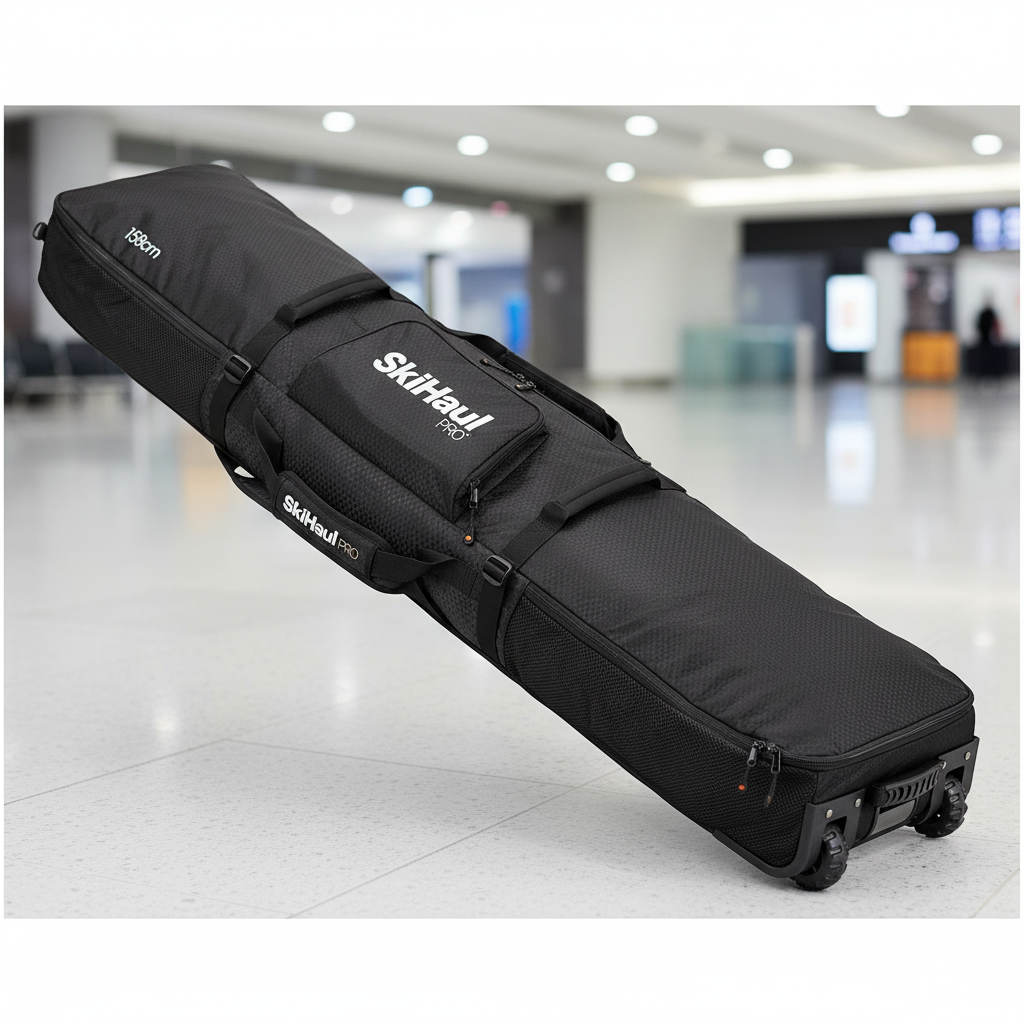
Wheeled combo ski and boot bags
Some high-end brands make combo bags that hold skis, poles, boots, and clothing—all in one.
Travel duffels and backpacks
If you don’t want another specialty bag, a sturdy duffel or hiking backpack can store boots alongside other gear. You can pad the backpack or duffel with mitts, ski pants and other soft gear. Don’t put delicate gear like glasses and goggles alongside with boots in the same bag, they may get damaged during transport.
Expert Advice for Packing Ski Gear Efficiently
- Distribute weight evenly – Place heavy boots near the wheels or base of your bag.
- Protect equipment – Wrap boots in soft clothing to avoid scratching skis.
- Know airline rules – Many airlines allow one ski bag and one boot bag as a single checked item.
Pros and Cons of Putting Boots in Ski Bags
Advantages
- Fewer bags to carry.
- Streamlined check-in at the airport.
Disadvantages
- Overweight baggage fees.
- Higher chance of damage.
- Difficult to carry. Bag may become too heavy.
Recommendations for Travelers
- Keep boots separate if you’re flying—boots are too important to risk losing in a delayed checked bag.
- Combine in one bag only if you’re driving or using a large, padded ski bag and don’t mind the extra weight.
FAQs – Ski Bags and Boots
Q1: Can airlines charge extra if I put boots in my ski bag?
Yes, if the bag exceeds the weight limit. Always check your airline’s ski equipment policy.
Q2: Will boots damage my skis inside the same bag?
They can, unless wrapped in clothes or padding.
Q3: Is it better to carry ski boots as hand luggage?
Yes (in most cases) —many skiers carry boots onboard to ensure they arrive safely.
Q4: What’s the lightest way to travel with ski boots?
Use a dedicated boot bag and pack clothing around them for efficiency.
Q5: Can I fit snowboard boots in a ski bag?
Possibly in larger bags.
Q6: Do ski bags ever come with built-in boot compartments?
Yes, some premium wheeled combo bags have separate boot storage.
In a Nutshell: What’s the Best Choice for Skiers?
So, can you fit ski boots in a downhill ski bag? The answer is: sometimes, but not ideally. While oversized combo travel bags may allow it, most skiers prefer a separate boot bag for convenience, safety, and peace of mind. Boots are the heart of your ski setup—if they get lost or damaged, your trip could be ruined.
For stress-free travel, use a dedicated boot bag or invest in a high-quality wheeled combo bag if you want everything in one place and don’t mind the weight and size.

by: Ray Pember
Ray is an experienced wordsmith who has dived deep into various niches. With over two decades under his belt, he knows a thing or two about staying afloat in this ever-evolving digital world… read more