Warm Hands All Day? How Long Heated Ski Gloves Keep You Cozy
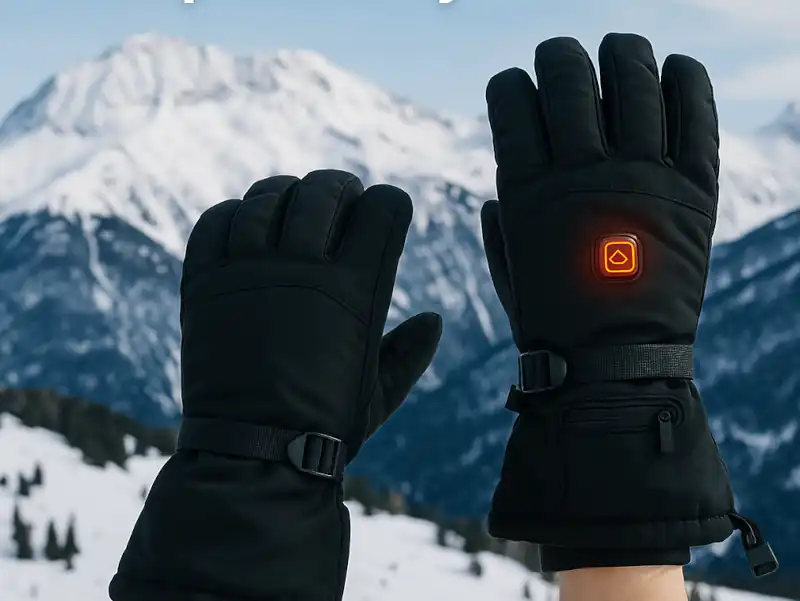
If you’re an avid skier or snowboarder, you know the fight: the cold wind cutting through your gloves on a long lift, the pinch of numb fingers mid‑run, the end‑of‑day regret that maybe your gear wasn’t up for the full outing. That’s where heated ski gloves come into play—they promise warm hands all day. But how long do they really deliver warmth? In this article we’ll dig into exactly how long you can expect your heated ski gloves to stay warm, what affects that duration, and how to choose and maintain them so they serve you reliably on the mountain.
We’ll focus on the key factor – battery life – but also explore fit & insulation, maintenance, and compare top models suited for skiers and snowboarders. By the end you’ll be equipped to pick gloves that keep you cozy, not just for an hour, but for as long as you’re out.
1. The core question — How long do heated ski gloves stay warm?
When we ask “how long,” what we’re really asking is: how many hours of usable warmth can you get from a charged pair of heated ski gloves? In practice the answer varies quite a bit, but many manufacturers and gear‑tests report ranges from about 3 to 8 hours, depending on conditions and usage.
Here’s how that plays out in the real world:
- On a low heat setting and moderate cold (say ‑5°C to 0°C) you might get closer to the higher end of that range.
- On a high heat setting, or in extreme cold (‑15 °C or below), battery run time drops noticeably.
- Other factors like glove insulation, fit, wind, and movement all affect heat retention.
So yes—the promise of “all‑day warmth” is plausible, but with caveats. It’s about selecting the right gear, using it smartly, and understanding your conditions.
2. Battery life – the most crucial factor
What does battery life depend on?
Battery life is influenced by:
- The capacity of the battery (mAh or voltage/amp rating).
- The heat setting you use (low, medium, high) – higher setting = more power draw.
- The external temperature and wind – colder and windier conditions force the system to work harder.
- The glove’s insulation and fit (which we’ll cover next).
- The age and health of the battery (lithium‑ion batteries degrade over time).
Tips to maximize runtime
- Use lower heat settings when you’re moving fast or starting out; reserve high heat for when you’re stationary or resting.
- Pre‑warm indoors if possible, so you don’t start from stone‑cold gloves.
- Keep batteries and gloves warm before you go — cold batteries perform worse.
- Bring a spare battery or verify that your gloves allow quick swap. Some brands even sell extra battery kits.
- Store and charge batteries correctly. Some manufacturers recommend charging 8‑12 hours before first use, and avoid leaving them to fully discharg.
Trade‑offs to know
- Bigger battery = more runtime, but also heavier/bulkier glove.
- High heat = fast warmup but faster drain.
- Cold, wet, windy conditions = reduced actual runtime compared to ideal specs.
In short: pick a battery size that matches the outing. For a half‑day ski session you might be fine with a 4‑5 hour runtime glove; for a full day in cold terrain you’ll want 6+ hours or a spare battery.
3. Fit & insulation — how they affect warmth duration
You could have a glove with a massive battery and heating coil, but if the glove fits poorly or lacks insulation, you’ll leak heat and drain the battery faster. Here’s why these two factors matter:
Fit
- A glove that’s too tight restricts circulation — that’s bad, because your body needs circulation to deliver warmth.
- A glove that’s too loose lets cold air and moisture in, which means the heating element has to work harder.
Insulation and shell quality
- Good insulation helps retain the heat the glove generates rather than letting it escape.
- A decent outer shell (windproof, waterproof) prevents external cold from undermining your battery.
If your glove is poorly insulated, then even the best battery will struggle to maintain warmth because the glove is losing heat to the environment.
Layering & integration
- Some skiers use a thin glove liner underneath their heated glove to add insulation without bulk.
- Make sure gloves integrate well with your jacket cuffs to avoid wind creep up the wrist.
- A smart strategy: use the heating element as a boost, not the sole source of warmth. That means rely first on glove fit + insulation, then use the element when needed.
4. Maintenance & care to ensure they keep working all day (and season after season)
To get reliable warmth not just for a day, but a season (or more), you need to maintain both the heating system and the glove’s overall condition.
Battery maintenance
- Charge fully before first use; some brands recommend an initial 8‑12 hour charge.
- Don’t leave batteries fully discharged for long; store them at about 50 – 70% charge during off‑season.
- Avoid extreme cold storage; batteries degrade faster if left in freezing conditions.
- Check that battery contacts are clean and dry.
Glove/jacket care
- Remove batteries before washing gloves.
- Follow manufacturer instructions (some allow spot clean or hand‑wash only).
- Air dry thoroughly; don’t use high‑heat dryers unless the glove specifies.
- Inspect wiring/heating coils occasionally for signs of wear or damage.
- Store gloves dry and in a cool place between trips.
Practical day‑of tips
- Always check battery level each morning before heading out.
- Charge spare battery ahead of long outings.
- During breaks, take gloves off and allow them to warm up inside your jacket or lift ride to save battery.
- If you feel your hands getting chilled, switch to a lower heat setting early — it’s better to pace the battery.
5. Model comparison — what to look for and some top picks
What to look for in a good heated ski glove
When choosing heated ski gloves for full‑day warmth, check for:
- Battery runtime (listed or realistic run time).
- Number of heat settings (low/medium/high) and ease of switching.
- Good insulation and weather protection (windproof, waterproof shell; quality inner liner).
- Fit and dexterity for skiing/snowboarding (you’ll still need to grab poles, adjust bindings, etc.).
- Spare battery/replaceable battery availability (important for long days).
- Durability: good stitching, quality materials, reputable brand.
- User reviews for real‑world performance (especially in cold temps).
Top picks
Here are some standout options worth evaluating:
- Kombi Warm It Up Heated Gloves: Premium, long‑haul option for full‑day warmth in serious cold.
- The North Face Apex Heated Gloves: Strong brand, reliable insulation, good for day‑trips or all‑day moderate conditions.
- therm‑ic Ultra Heat Boost Gloves: Specialist high‑end with extra power options and spare battery availability.
- Unigear Rechargeable Heated Gloves: Budget rechargeable option—good for recreational use.
- Outdoor Research Prevail Heated GORE‑TEX Mitts: Mitt style for added warmth when fingers together matter more than dexterity (good for very cold or lift rides).
- FXR Heated Recon Gloves: Premium snow‑sports focused brand; suited for intense, prolonged days or backcountry use.
- ActionHeat Men’s AA Battery Heated Snow Gloves: Budget AA battery style for shorter sessions or supplemental warmth.
- SAVIOR HEAT Heated Ski Gloves: Good value, decent performance; best for casual or occasional ski days.
Recommendations by outing type
- For half‑day or mild conditions: choose a glove with 4‑5 hour runtime, solid insulation (e.g., Unigear, ActionHeat).
- For full‑day resort use: aim for 6‑8 hour runtime, robust insulation and spare battery capability (e.g., The North Face, SAVIOR HEAT).
- For cold climate / extended day / back‑country: go premium with extra battery options, mitt style if you don’t need full finger mobility, and top insulation (e.g., Kombi, Therm‑ic, FXR, OR Prevail Mitts).
6. Real‑world scenario & decision tree
Picture this: You’re heading to the mountain for a full ski day. Here’s a checklist/decision tree to ensure your heated gloves keep you warm all day:
- Estimate hours on the slopes – say 6‑8 hours including lift rides, breaks.
- Check glove battery runtime – does it list 6+ hours on medium setting?
- Do you have spare battery or plan to switch to low setting during mid‑day?
- Fit & insulation check – gloves feel comfortable, not too tight/loose; shell and liner quality are good.
- Condition check – are batteries charged and pack warm before heading out? Are gloves dry and ready?
- On the mountain – start on low setting with insulated gloves, save high heat for stand‑still times (lift rides, breaks).
- Mid‑day – if battery is lower than expected, drop to low setting, keep gloves on during breaks, avoid leaving them off too long.
- End of day – if battery still has substantial charge, you’re good; if not, reflect on whether you needed more battery capacity or insulation for next time.
The goal: you walk off the mountain with warm hands and zero mid‑day glove switch‑out panic.
TL;DR
Heated ski gloves can absolutely keep your hands warm for several hours, and yes — potentially all day if you choose wisely. The key takeaway: battery life is the most critical metric, but it isn’t the only one. A glove with great battery but poor insulation or bad fit will underperform. Conversely, a well‑insulated glove with a moderate battery may outperform expectations on a typical day.
So if you want warm hands all day, target gloves with:
- a runtime of 6‑8 hours (or spare battery support)
- good insulation and weather protection
- a comfortable fit
- and follow proper maintenance & battery care.
Choose your model based on how long you’re out, how cold conditions are, and whether you’ll bring a spare battery. With the right gear and strategy, you’ll spend less time worrying about freezing fingers and more time enjoying the slopes.

by: T. Belleau
Health and sports are at the heart of Trisha’s writing passion. An avid cyclist, mountain biker, and e-biker, she brings firsthand experience and genuine excitement to her sports-related articles. Trisha’s love for the outdoors extends… read more