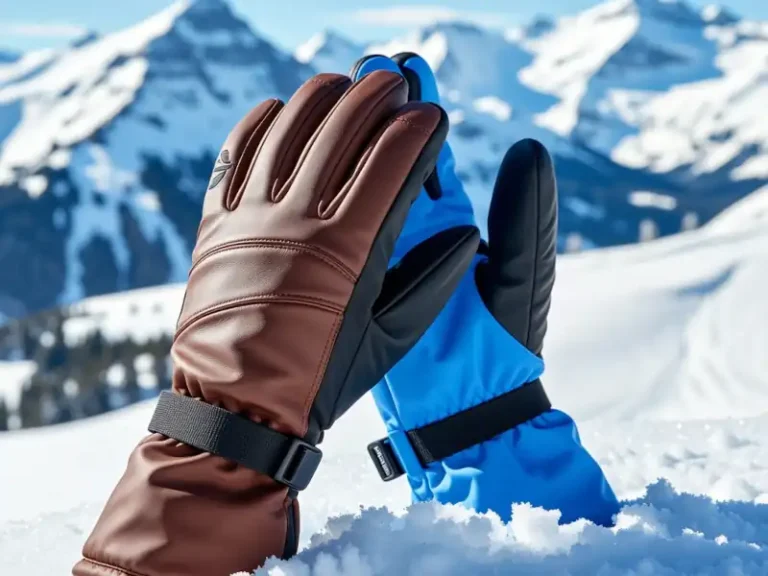
How to Re-Waterproof Ski Gloves (Complete Step-by-Step Guide)

Understanding Why Ski Gloves Lose Waterproofing
Ski gloves get exposed to tough winter conditions — snow, slush, freezing rain, and constant abrasion. Over time, their outer coating breaks down, causing them to soak up moisture instead of repelling it. That’s why knowing how to re-waterproof ski gloves helps you extend their life and keep your hands warm and dry.
Common Materials Used in Ski Gloves
Different glove materials require different waterproofing techniques:
- Synthetic (nylon, polyester): Often treated with a DWR (Durable Water Repellent) coating that wears off.
- Gore-Tex gloves: Waterproof membranes inside remain functional but need outside treatment.
- Leather: Requires oils, waxes, or balms to stay waterproof and flexible.
Signs Your Gloves Need Re-Waterproofing
You may need to re-waterproof when:
- Snow melts into the glove instead of beading on top
- Gloves feel heavy or waterlogged
- Leather becomes stiff or cracks
- Fabric darkens when wet
Preparing Your Ski Gloves for Waterproofing
Before learning how to re-waterproof ski gloves, you must prep them properly.
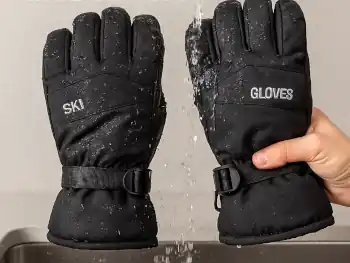
How to Properly Clean Ski Gloves
Clean gloves absorb waterproofing treatments better. Here’s how:
- Brush off loose dirt or mud.
- Mix a small amount of mild soap with warm (not hot) water.
- Use a soft cloth or sponge to gently scrub the outside.
- Rinse lightly without soaking the interior.
- Let them air dry fully.
- Always follow manufactures instructions if applicable
What Not to Do Before Waterproofing
To avoid damage:
- Don’t use harsh detergents
- Don’t wring them out
- Don’t use high heat (unless safe for synthetic models)
Re-Waterproofing Methods for Different Glove Types
Waterproofing Synthetic Fabric Gloves
Synthetic gloves respond best to DWR sprays designed for outdoor gear.
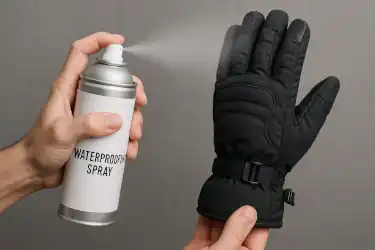
Step-by-Step Using DWR Sprays
- Place gloves on a clean surface.
- Shake the waterproofing spray well.
- Apply an even coat from about 6 inches away.
- Rub lightly to help absorption.
- Air dry or apply low heat if product instructions allow.
Waterproofing Leather Ski Gloves
Leather is durable but needs conditioning to stay waterproof.
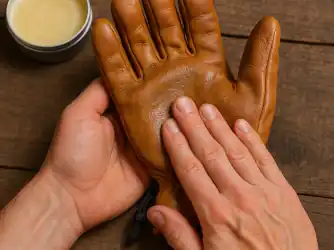
Step-by-Step Using Leather Waterproofing Wax
- Warm the gloves slightly (sunlight or a warm room).
- Use your fingers to apply a small amount of leather wax.
- Massage the wax into seams and knuckles.
- Let them absorb the treatment for several hours.
- Buff off excess wax with a cloth for a smooth finish.
How to Re-Waterproof Ski Gloves with Heat Activation
Some synthetic gloves have factory-applied coatings that can sometimes be revived using heat.
Steps:
- Lightly dampen the fabric.
- Use a hair dryer on low heat for 30–60 seconds.
- Test water repellency, and repeat if necessary.
Always check the manufacturer’s label before applying heat.
Maintaining Waterproofing All Season Long
Proper Drying Techniques After Skiing
- Air dry gloves at room temperature
- Avoid placing them directly on heaters
- Turn them inside out only halfway to prevent liner twisting
Storage Tips to Prolong Waterproofing
- Store gloves in a breathable bag
- Avoid compression during off-season storage
- Apply a light treatment before storing for months
Common Mistakes to Avoid When Re-Waterproofing
- Using household waxes or oils not meant for gloves
- Overheating synthetic materials
- Skipping the cleaning step
- Applying too much product (can clog fabric pores)
FAQs About How to Re-Waterproof Ski Gloves
1. How often should I re-waterproof ski gloves?
Most skiers should re-waterproof once per season, or more frequently if using gloves heavily.
2. Can I use regular shoe polish on leather ski gloves?
No — it can damage the material. Always use products made for leather gloves.
3. Do waterproof sprays work on Gore-Tex gloves?
Yes, they help restore the exterior’s DWR, but the inner membrane remains waterproof regardless.
4. Should I heat gloves after applying waterproof spray?
Only if the manufacturer recommends it. Some treatments work better with heat activation.
5. Are homemade waterproofing methods effective?
Not really. They can clog material pores and reduce breathability.
6. Is beeswax good for waterproofing?
Yes, for leather gloves — but use a beeswax blend designed for outdoor gear for best results.
Now you know exactly how to re-waterproof ski gloves, whether they’re leather, synthetic, or Gore-Tex. With the right cleaning, products, and care, you can extend your gloves’ lifespan, improve warmth, and stay dry out on the slopes.

by: Ray Pember
Ray is an experienced wordsmith who has dived deep into various niches. With over two decades under his belt, he knows a thing or two about staying afloat in this ever-evolving digital world… read more