How Much Should You Spend on a Snowboard Backpack? A Smart Buyer’s Guide
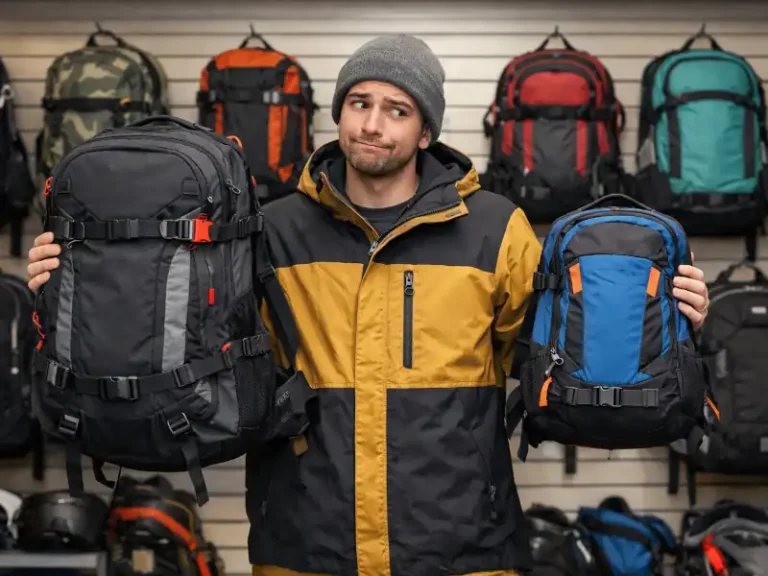
If you’re a dedicated snowboarder, you know the importance of the right gear—from bindings to boots to outer layers. But don’t overlook one often‑underrated piece: the backpack. Whether you’re hauling gear around the resort or strapping in for a back‑country tour, your backpack is an essential companion. So the question that comes to mind is: How much should you spend on a snowboard backpack?
In this guide, we’ll walk you through typical price tiers, what drives up cost, what features you actually need versus “nice-to-have,” and how to make a smart, confident buying decision. As a fellow enthusiast who has researched gear and tracked what brands charge, I’m here to give you insider advice.
And if you’re also asking “How much to budget for my snowboard backpack?”—you’re in the right place. Let’s dive in.
Why Backpack Price Varies Dramatically
If you’ve shopped for backpacks, you’ve likely noticed a huge range in price. Here’s why that happens:
- Materials & durability: Premium fabric, reinforced stitching, weather‑resistant coatings all add cost.
- Capacity & volume: Larger backpacks (20 L, 30 L, 40 L+) cost more than compact day‑packs.
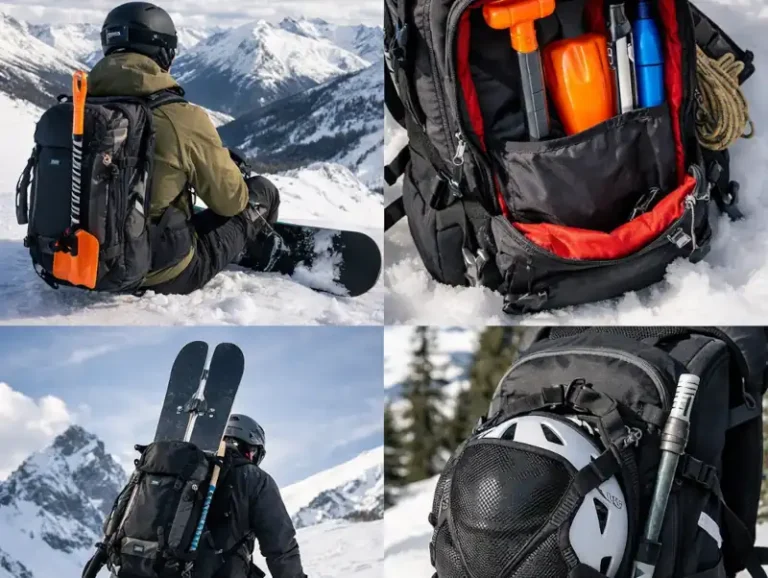
- Snowboard/splitboard carry systems: The mechanisms to strap your board vertically/horizontally add design and manufacturing cost.
- Specialized features: Avalanche tool compartments, airbag readiness, helmet carry, hydration bladder compatibility — all these push price up.
- Brand premium & warranty: Big names command higher prices, and some packs come with better warranties or repair programs (which reflects in cost).
- Use case (resort vs backcountry): Packs designed for backcountry touring are more specialized and expensive than a simple resort pack.
In short: you’re paying for build quality, features and purpose. A properly built snowboard‑specific pack can protect your gear, add comfort, and last multiple seasons.
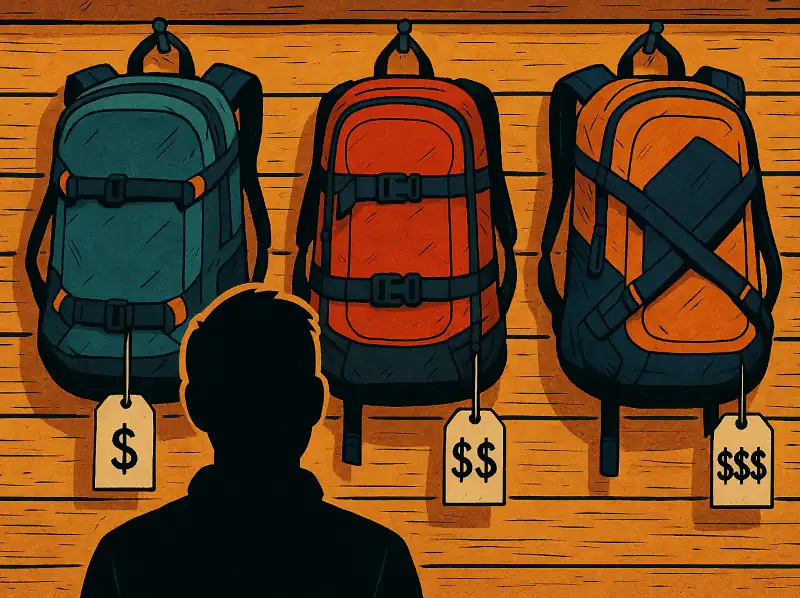
Typical Price Ranges & What You Get at Each Tier
Entry‑Level (Approx. US $70‑150 / CAD equivalent)
If you’re primarily riding resort days and you carry minimal gear, an entry‑level pack may be all you need. For example:
Burton Treble Yell Backpack — around US $69.99.
In this tier you’ll find: basic materials, moderate capacity, simple board‑carry options. These are suitable for casual weekend riders or if your gear list is light. You will typically trade off advanced features (helmet carry, avalanche compartments, ultra‑durable fabric).
Mid‑Range (Approx. US $150‑250)
Here you’ll start seeing significantly better construction and features.
For example:
Dakine Heli Pro 20L Backpack — around US $139.99.
Packs in this range often include improved fabrics, dedicated board carry systems, helmet or goggle compartments, better strap and back‑panel comfort. They’re ideal for regular resort riders, possibly some side‑country, or riders who carry a bit more gear. Publications note that these “mid‑volume, light packs” are booming in the 2025/26 season.
Premium / Backcountry & Specialized Packs (US $250‑400+)
If you’re a dedicated rider who tours, hits remote terrain, carries avalanche safety gear or wants the best of the best, this is the tier for you.
For example:
Patagonia Descensionist Snow Pack — around US $279.00.
These packs bring high‐end materials, comfort systems suited for heavier loads, specialized compartments (probe/shovel pockets), and best‑in‑class carry systems. If you’re touring all day, wearing it for a long duration, or after top durability, this tier is justified.
Features That Drive Up the Price (& Whether They Matter)
Fabric quality & weather protection
Better fabrics resist abrasion, guard against snow/wet, and tend to last longer. If you ride in harsh conditions, this is important. But for casual resort days maybe less critical.
Capacity & carry systems
Board carry systems (vertical vs horizontal) add cost. For example, if you tag along on side‐country hikes you’ll want a pack that handles your snowboard/splitboard easily.
Also the litres matter:
- 10‑20L for lift days
- 20‑35L for longer days
- 35L+ for multi‑day tours.
Fit & comfort
Hip belts, load‑lifters, padded back panels, adjustable straps all add to cost. If you’re riding long hours, comfort becomes a big factor. If you just do a few runs and hop off, less so.
Specialized features
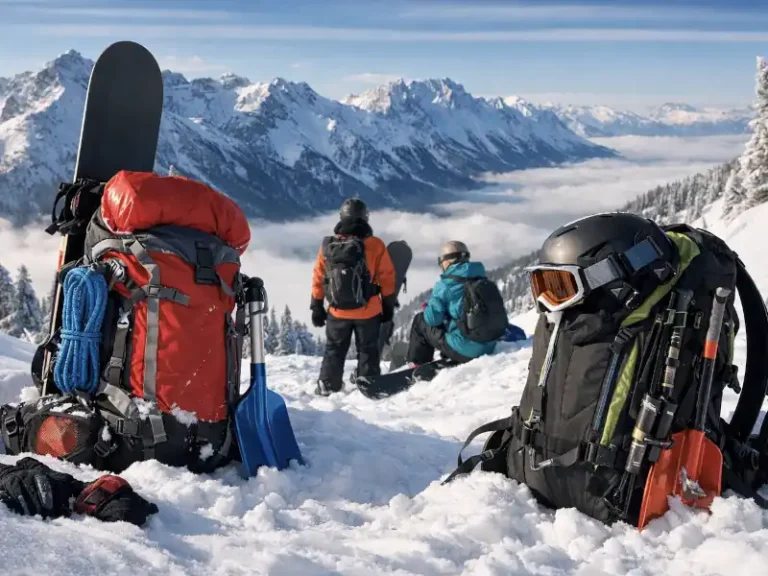
- Avalanche tool compartments, probe/shovel sleeves, airbag compatibility. If you’ll never tour, you likely don’t need these.
- Helmet/goggle storage or dedicated pockets.
- Hydration/bladder compatibility.
These features add cost — but only matter if you use them.
Brand & warranty
Premium brands often cost more because they invest in design, materials, and offer better support. Paying more can be worth it for long term value.
How Much Should You Spend? A Decision‑Making Plan
Step 1. Identify your riding style & frequency
- Occasional resort rides (say <10 days/season) → you may not need a top‑tier pack.
- Regular resort + side‑country trips → mid‑range is likely best.
- Frequent backcountry/touring all day → premium tier justified.
Step 2. List the features you need vs. want
Create a simple checklist of “must‑haves” vs “nice‑to‑haves”. For example:
- Must‑have: board carry system, comfortable straps, weather‑resistant fabric
- Nice‑to‑have: avalanche tool pockets, helmet storage, airbag ready
Step 3. Set a budget range based on usage
If you ride casually at the resort and don’t carry much: maybe $100‑150 is plenty.
If you ride frequently and carry more gear: $150‑250 makes sense.
If touring/backcountry: expect $250+ or more for the lifetime value.
Step 4. Consider long‑term value
How many seasons will you keep the pack? A good pack can last 5+ seasons if well maintained. Spending a little more upfront may save you from upgrading yearly.
Step 5. Look for sales / last‐season models
Often you can score mid‑tier packs at discounted prices once a season model updates. Great value if you don’t need the absolute newest.
Mistakes to Avoid When Buying a Snowboard Backpack
- Buying too cheap and finding the capacity too small for your gear.
- Ignoring fit & comfort: a backpack you’ll wear all day should fit well.
- Over‑paying for features you’ll never use: If you never tour, you don’t need avalanche compartments or airbag readiness.
- Forgetting board carry compatibility: Does the pack support your board type?
- Neglecting maintenance: Keeping values like fabric water repellent, zippers clean, will extend life.
The Key Takeaway
How much you spend on a snowboard backpack should correspond to how you ride and how often. If you’re a casual resort rider, you don’t need to spend the top‑dollar. A well‑built pack in the $100‑150 range can serve you very well. For regular riders or backcountry adventures, the $150‑250 or $250+ tiers deliver meaningful improvements in feature set, comfort, and longevity.
Use the decision‑framework above, focus on what you need (not just what you could have), and choose a pack that fits your riding style and budget. You’ll ride smarter, pack smarter — and spend smarter.
FAQs
Q: What’s the minimum I should spend on a snowboard backpack?
A: If you’re only doing occasional lifts and carrying minimal gear, a pack around $70‑100 USD can work — just ensure quality materials and fit.
Q: Is a $300 backpack worth it for resort riding only?
A: Usually not. Unless you carry a lot of gear, tour, or demand top durability, you’re likely better off with a mid‑range pack and invest difference elsewhere (e.g., boots, board).
Q: How long should a snowboard backpack last?
A: With good care, a quality pack can last 3–5 seasons or more. Premium builds last longer.
Q: Can I use a regular hiking backpack for snowboarding?
A: You can, but you’ll sacrifice features designed for snowboarding: board carry systems, snow/damp protection, helmet/goggle compartments. For serious riding, a snowboard‑specific pack is better.
Q: When is a backpack with avalanche compatibility worth it?
A: Only if you do backcountry touring, carry avalanche gear (shovel, probe, beacon) and venture into terrain where these safety features matter. For resort use, it’s likely overkill.

by: Blair Fontana
A versatile freelance content creator known for her engaging writing style and diverse range of interests. Blair has carved out a niche in lifestyle writing, captivating her audience with insightful articles… read more