Ski Gloves — Buyer’s Guide & Best Options 2026
This post contains affiliate links.
If you use these links to buy something, we may earn a commission at no extra cost to you.
Buying ski gloves seems simple… until you’re standing in a lift line with numb fingers, questioning every life choice that led you to “budget gloves” and a single hand warmer packet from 10 years ago.
This 2026 ski glove buyer’s guide breaks down what actually matters—warmth, waterproofing, dexterity, fit, durability, and value—so you can choose gloves that match your climate, your skiing style, and your tolerance for cold hands.
Whether you’re shopping for men’s ski gloves, women’s ski gloves, kids’ gloves, or heated ski gloves, this guide will help you confidently pick the right pair the first time.
Quick Answer: What Are the Best Ski Gloves in 2026?
The best ski gloves in 2026 are the ones that match your conditions and your needs:
- Cold and dry: warmer insulation + windproof shell
- Wet and variable (coastal mountains, spring slush days): waterproof membrane + sealed construction
- Park / freestyle: durable palms + flexible cuff + great grip
- Backcountry: breathable gloves + good dexterity + packable warmth
- Kids: simple closure + waterproofing + warmth without bulk
If you want one glove that works for most resort days, prioritize waterproofing, insulation, and a secure cuff seal.
Great balanced option
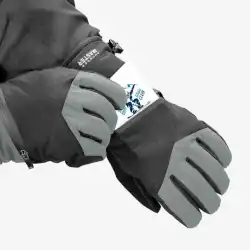
Men and Women’s Ski Gloves by Outdoor Master.
- 3M Thinsulate – Warm & Breathable
- Waterproof & Windproof
- Touchscreen-Friendly
- And more…
Value priced
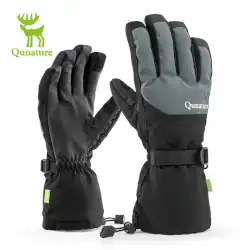
Qunature Outdoor Insulated Ski Gloves
- Dual Pull Straps
- Windproof & Waterproof
- Touchscreen Fingertips
- Enhanced Grip
- Comfortable Fit & Freedom of Movement
How to Choose Ski Gloves (The Stuff That Actually Matters)
1) Warmth: Insulation Type + Loft
Warmth comes from insulation volume (loft), not just the label.
Common insulation options:
- Synthetic insulation: performs better when damp, dries faster, great for most skiers
- Down insulation: very warm for weight, but less ideal if it gets wet (unless well-protected)
If your hands run cold, don’t “tough it out.” Go warmer than you think you need.
2) Waterproofing: Membrane + Construction
A glove can be “water-resistant” and still soak through fast.
Look for:
- A waterproof-breathable membrane
- DWR-treated outer fabric (helps shed snow and slush)
- Sealed seams or smart panel construction in high-wear areas
If you ski in wetter climates, waterproofing is not optional—it’s the difference between “fine” and “miserable.”
3) Dexterity: The Tradeoff With Warmth
More insulation usually means less finger mobility. The best ski gloves balance warmth with control so you can:
- adjust boots/bindings
- zip pockets
- use your phone (or at least try)
If you value precision (trees, moguls, steeps), don’t buy a glove that feels like a boxing mitt.
4) Fit: Snug Fingers, Secure Wrist, No Pinching
A good fit feels close but not tight. You want:
- fingertips not jammed against the end
- no pressure points across knuckles
- wrist closure that seals without cutting circulation
Pro tip: if gloves feel tight when your hands are warm indoors, they’ll feel worse outside.
5) Cuff Style: Under-Cuff vs Over-Cuff
This is a preference thing—but it affects warmth and snow protection.
- Under-cuff gloves: sleeker fit, easier layering, often better for performance skiing
- Over-cuff gloves: more coverage, better snow sealing, great for deep days and storm skiing
If you regularly ski powder or falling snow, over-cuff designs are usually the safer choice.
6) Durability: Palms, Stitching, and Reinforcements
If you ski often (or you’re hard on gear), focus on:
- reinforced palm material
- double stitching in stress zones
- strong closure systems (Velcro that doesn’t die in one season)
! Your gloves touch everything—poles, edges, buckles, zippers—so durability matters more than people think.
Best Ski Gloves by Category (What to Buy in 2026)
Instead of chasing a single “best glove,” choose the best glove for your use case.
Best All-Around Ski Gloves
If you ski mostly groomers, chairlifts, and mixed conditions, your glove should prioritize:
- waterproofing
- mid-to-high warmth
- decent dexterity
- comfort for long days
Best for: most skiers and snowboarders who want one glove for the season.
What to look for:
- synthetic insulation (reliable warmth)
- waterproof membrane
- secure wrist strap or cinch
Men and Women’s Ski Gloves by Outdoor Master.
- 3M Thinsulate – Warm & Breathable
- Waterproof & Windproof
- Touchscreen-Friendly
- And more…
Men’s Ski Gloves: Best Options for 2026
Men’s ski gloves often come in broader fits and higher warmth options, but the “best” depends on how you ski.
Best Men’s Ski Gloves for Cold Weather
Choose:
- higher insulation rating (or thicker construction)
- longer cuffs for snow protection
- windproof outer fabric
Ideal for: cold snaps, midwinter mountains, long chairlift days.
Best Men’s Ski Gloves for Performance & Dexterity
Choose:
- pre-curved fingers
- lower-profile insulation
- strong grip materials
Ideal for: aggressive skiing, technical terrain, frequent gear adjustments.
Best Men’s Ski Gloves for Durability
Choose:
- reinforced palms
- abrasion-resistant outer fabric
- quality stitching
Ideal for: daily skiers, instructors, terrain park laps, and people who destroy gear by February.
Women’s Ski Gloves: Best Options for 2026
Women’s ski gloves tend to have more tailored fits, but the most important thing is still performance.
Best Women’s Ski Gloves for Warmth
Look for:
- insulation that stays warm when damp
- plush lining that doesn’t bunch up
- a cuff that seals well over jacket sleeves
Best for: cold hands, slower-paced skiing, and long lift rides.
Best Women’s Ski Gloves for Comfort + Fit
A glove that fits well feels warmer because it traps heat properly.
Look for:
- snug fingertips (without pressure)
- flexible wrist closure
- soft interior lining
Best for: all-day comfort and reducing hand fatigue.
Best Women’s Ski Gloves for Wet Conditions
If you ski in coastal snow or spring slush, prioritize waterproofing over everything.
Look for:
- waterproof membrane
- durable outer shell
- good cuff seal
Best for: Pacific NW-style storms, heavy snow days, spring skiing.
Top-performing
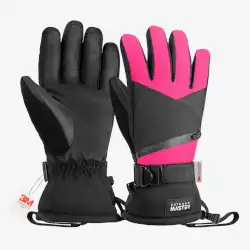
3M Thinsulate Waterproof Men and Women’s Ski Gloves by Outdoor Master offer great warmth & comfort.
- Warm & Breathable
- Waterproof & Windproof
- Touchscreen-Friendly
- And more…
Kids’ Ski Gloves: Best Options for 2026
(Warm, Simple and Actually Stay On)
Kids’ gloves fail for predictable reasons:
- they’re not waterproof
- they’re hard to put on
- they get lost immediately
The best kids’ ski gloves are built for real-world chaos.
Best Kids’ Ski Gloves for Warmth
Choose:
- thicker insulation
- longer cuffs
- soft lining that doesn’t irritate skin
Best for: little hands that get cold fast and kids who spend more time in snowbanks than on skis.
Best Kids’ Ski Gloves for Waterproofing
Waterproof matters even more for kids because once gloves are wet, the day is basically over.
Look for:
- waterproof membrane
- water-shedding outer fabric
- snug cuff closure
Best Kids’ Ski Gloves for Easy On/Off
Look for:
- wide cuffs
- simple closures
- gloves that slide on without a wrestling match
Bonus features that actually help:
- wrist leashes
- name tags
- bright colors (for “visual recovery” after glove removal)
Leading choice
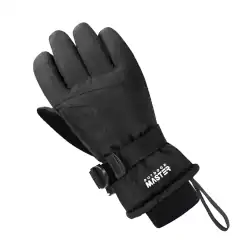
These kids gloves by Outdoor Master check mark most or all of the boxes for a great kids winter ski glove.
Heated Ski Gloves: Are They Worth It?
Heated ski gloves have improved a lot, and for the right person, they’re absolutely worth it.
Who Should Buy Heated Ski Gloves?
Heated gloves are a smart choice if you:
- get cold hands easily (even with warm gloves)
- ski in very cold climates
- have poor circulation
- spend long days outside (instructors, photographers, coaches)
They’re also useful for people who want to ski comfortably without stacking liners + hand warmers + regret.
What to Look for in Heated Ski Gloves
Key buying factors:
- battery life (real-world, not “best case” marketing)
- heat levels (low/medium/high)
- even heating across fingers and back of hand
- waterproofing
- bulk vs dexterity tradeoff
Heated Gloves vs Mittens
If you want maximum warmth, a heated mitten can be extremely effective.
If you want control and grip, heated gloves usually win.
Also see our piece on: Best Heated Ski Gloves
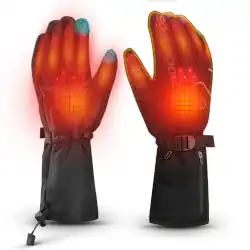
ROCKBROS Heated Gloves, Rechargeable Winter Touchscreen Gloves for Skiing.
- Large Heating Area
- Rechargeable Battery
- Touchscreen Compatibility
- Windproof & Thermal Lining
Ski Glove Features That Matter Most (A Simple Checklist)
If you’re comparing gloves and want the “buying checklist” version, prioritize:
- Waterproof membrane (especially for wet snow)
- Warm insulation that fits your climate
- Secure cuff seal (snow sneaks in fast)
- Grip + durability in the palm
- Comfortable fit with no pressure points
If you’re torn between two options, pick the one with better waterproofing and fit. Warmth is easier to add (liners, warmers) than waterproofing is to fix.
How to Make Ski Gloves Last Longer (And Stay Warm)
A great glove can still fail early if it’s neglected.
Simple habits that help:
- dry gloves fully after every ski day (not on direct heat)
- don’t store them wet in a gear bag
- clean gently when needed
- re-waterproof the outer shell when water stops beading
If gloves smell like a science experiment, they probably aren’t drying properly.
Ski Gloves vs Mittens: Which Is Better?
Ski gloves are better for:
- dexterity
- pole grip
- adjusting boots and gear
- technical terrain
Ski mittens are better for:
- maximum warmth
- very cold climates
- people with consistently cold fingers
If you’re always cold, mittens are the simplest upgrade you can make.
Waterproof mittens worth checking out
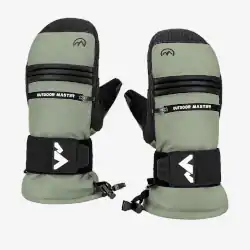
Men and Women’s Ski Mittens by Outdoor Master.
- Designed for Full Coverage in Cold-Weather Sports
- Advanced thermal insulation for reliable cold protection
- Reinforced palm construction for long-term durability
- Adjustable, secure fit with loss-prevention features
- Thoughtful, skier-focused functional details
FAQ: Ski Gloves Buyer Questions (2026)
1) How warm should ski gloves be?
Warmth should match your climate and your cold tolerance. If you ski in cold, dry conditions or your hands run cold, choose a warmer glove (or a mitten) with solid insulation and a good cuff seal.
2) Are expensive ski gloves actually worth it?
Often, yes—because you’re paying for better waterproofing, better materials, stronger stitching, and longer lifespan. That said, “expensive” isn’t automatically “warm,” so always check insulation and fit.
3) What’s the best ski glove material?
There isn’t one perfect material. The best gloves combine a durable outer shell, a waterproof membrane, and a grippy palm. What matters most is construction quality and waterproof performance.
4) Should ski gloves fit tight or loose?
They should fit snug without restricting movement or circulation. Too tight = colder hands. Too loose = poor control and heat loss.
5) How do you keep ski gloves from getting wet?
Choose a truly waterproof glove, dry it fully after every ski day, and reapply waterproofing treatment when water stops beading on the surface.
The Best Ski Gloves in 2026 Are the Ones Built for Your Winter
If you want the best ski gloves for 2026, don’t buy based on looks or brand hype alone. Buy based on conditions + warmth needs + waterproofing + fit.
For most skiers:
- choose waterproof construction first
- pick warmth based on your cold tolerance
- prioritize fit and cuff seal
- consider heated gloves if you consistently get cold hands
Because at the end of the day, the best glove is the one that lets you ski longer, harder and stop thinking about your fingers entirely.

by: Blair Fontana
A versatile freelance content creator known for her engaging writing style and diverse range of interests. Blair has carved out a niche in lifestyle writing, captivating her audience with insightful articles… read more