Snowboard Backpack Brands Compared — Ultimate Guide for 2026
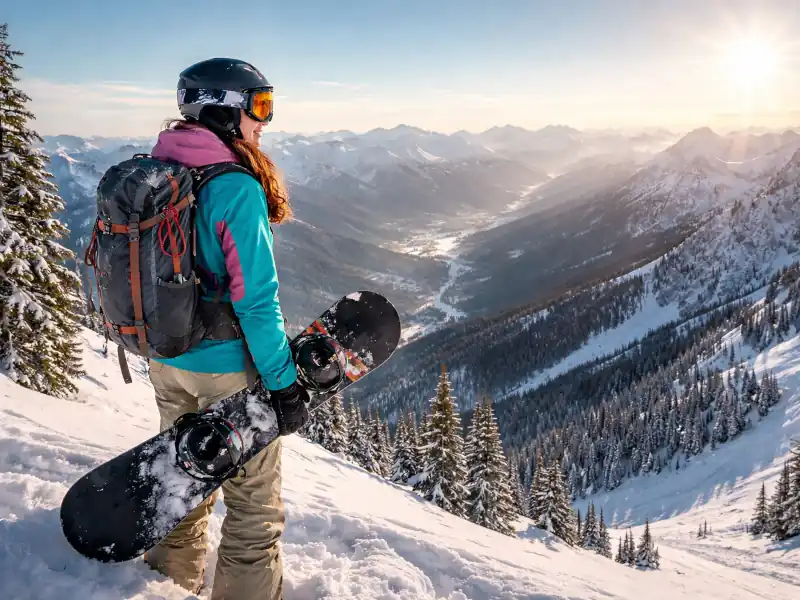
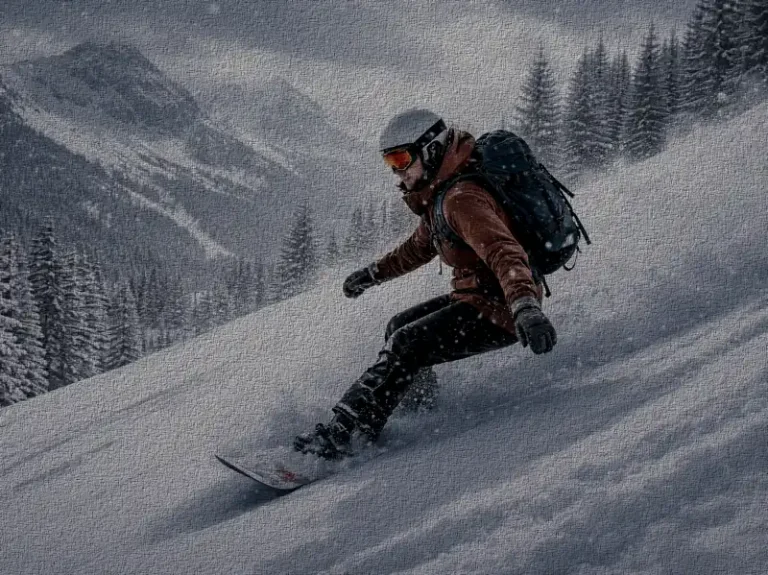
Snowboarding isn’t just about shredding fresh powder — it’s about having the right gear to make every run smooth, safe, and organized. A snowboard backpack does more than just hold your stuff; it carries avalanche gear, hydration systems, layers, tools, snacks, and even your camera gear. But with so many brands and models out there, choosing the right one can feel overwhelming.
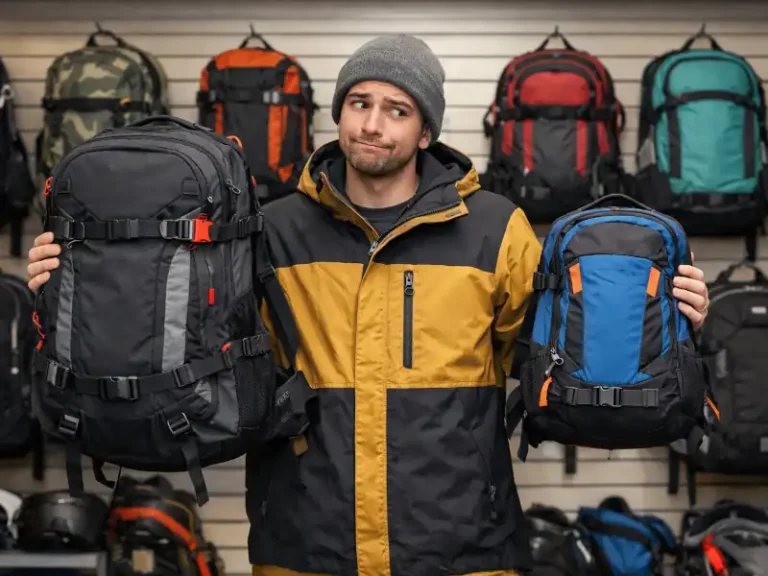
In this comprehensive guide, we compare the top snowboard backpack brands on the market in 2026 — from durability and comfort to features, price, and overall performance. Whether you’re a weekend rider, backcountry explorer, or freestyle park rider, you’ll find clear insights to help you choose the perfect pack.
Why Choosing the Right Snowboard Backpack Matters
A snowboard backpack isn’t just about storage capacity or a cool design. It can impact:
- Comfort: Especially on long hikes or laps at the resort.
- Safety: Avalanche gear integration and easy access to essentials.
- Organization: Dedicated pockets for tools, electronics, spare goggles, hydration, and more.
- Durability: Harsh winter conditions can easily wear out lower-quality packs.
- Ride Experience: Convenience can turn a good day into a great one.
Finding the right pack means understanding how each one prioritizes these factors.
Key Features to Look For
Before we compare brands, here are the main features to consider:
- Form factor & fit: Does it sit comfortably when strapped in?
- Capacity: Measured in liters — more for backcountry, less for resort laps.
- Board carry systems: Vertical, diagonal, or snowboard-specific systems.
- Avalanche gear compatibility: Shovel handle pocket, probe sleeve.
- Hydration compatibility: Built-in sleeve for water bladder.
- Durability: Quality zippers, reinforced fabric, weather resistance.
- Ventilation: Back panel airflow to reduce sweating.
Top Snowboard Backpack Brands Reviewed
1. Burton
Burton is probably the most recognizable name in snowboard gear, and their backpacks are equally popular.
Strengths:
- Purpose-built for snowboarding
- Excellent board carry options
- Avalanche-ready models
- Hydration compatible
- Great balance of price & performance
Notable Models:
Burton Day Hiker & Burton AK 28L
Who They’re Best For:
All-around riders — from resort laps to light backcountry missions.
Why Burton Stands Out:
Burton backpacks consistently offer practical, rider-centric features such as tool organization, dedicated goggle pockets, and snowboard carry that doesn’t interfere with mobility. They’re built tough and designed with an intuitive layout that almost every rider appreciates.
Drawbacks:
Some models can be pricier than competitors with similar capacity.
2. Dakine
Dakine is another heavyweight in the snowboarding backpack space, known for excellent durability and functional design.
Strengths:
- Robust builds for everyday use
- Great pocket placement
- Solid board carry systems
- Avalanche compatible options in larger sizes
Popular Models:
Dakine Women’s Poacher 30L, Dakine Heli Pro 20L, Dakine Poacher 24L
Who They’re Best For:
Backcountry riders and resort enthusiasts who want durability and versatility.
Why Dakine Shines:
Dakine packs are known for rugged construction and smart organization. Avalanche packs like the Poacher series include easy probe access and reinforced shovel sleeves — ideal for serious mountain riders.
Drawbacks:
Smaller packs can feel bulky due to their structure.
3. Osprey
Osprey isn’t exclusively a snowboard brand, but their packs are top-tier in ergonomics and comfort.
Strengths:
- Outstanding fit and weight distribution
- Exceptional ventilation
- Highly adjustable harness systems
- Durable and lightweight
Top Choices:
Osprey Sopris 32L, Osprey Kresta 30L
Who They’re Best For:
Adventurers and riders who prioritize comfort on long hikes and deep backcountry excursions.
Why Osprey Matters:
Osprey’s reputation in the outdoor world is unmatched when it comes to carry comfort and sustainability. Their women-specific and unisex designs ensure proper ergonomics for all riders.
Drawbacks:
Less snowboard-specific features compared to Burton or Dakine.
4. Black Diamond
Black Diamond may be best known for climbing gear, but their avalanche packs are serious contenders on snow.
Strengths:
- Built for backcountry safety
- Great instrument pockets
- Reinforced and rugged materials
Typical Models:
Black Diamond Distance 22, Black Diamond Dawn Patrol 25
Who They’re Best For:
Backcountry riders who want reliable avalanche pack performance.
Why Black Diamond Is Strong:
Black Diamond’s avalanche-ready packs are highly regarded for thoughtful incorporation of safety gear while maintaining a low profile on the trail and slopes.
Drawbacks:
Not as snowboard-specific; may lack snowboard carry features on some models.
Brand Comparison at a Glance
| Brand | Snowboard-Specific | Comfort | Backcountry Focus | Durability | Price Range |
|---|---|---|---|---|---|
| Burton | ⭐⭐⭐⭐ | ⭐⭐⭐⭐ | ⭐⭐⭐ | ⭐⭐⭐⭐ | mid-high |
| Dakine | ⭐⭐⭐⭐ | ⭐⭐⭐ | ⭐⭐⭐⭐ | ⭐⭐⭐⭐ | mid |
| Osprey | ⭐⭐⭐ | ⭐⭐⭐⭐⭐ | ⭐⭐⭐⭐ | ⭐⭐⭐⭐ | mid-high |
| Black Diamond | ⭐⭐ | ⭐⭐⭐ | ⭐⭐⭐⭐⭐ | ⭐⭐⭐⭐ | high |
How to Choose Based on Your Riding Style
Resort and Freestyle Riders
If you spend most of your time at the resort or in the park, consider packs that prioritize comfort, board carry, and organization:
- Best Picks: Burton, Dakine
- Why: Easy board carry systems and organization for goggles, snacks, tools.
Backcountry Adventurers
For longer hikes and avalanche terrain, look for packs with safety-first designs:
- Best Picks: Black Diamond, Dakine
- Features to Look For: Dedicated shovel and probe pockets, avalanche tool organization, carry comfort.
Hiking & Splitboarding
If hiking is a big part of your ride, comfort and load distribution matter the most:
- Best Picks: Osprey, Dakine
- Why: Excellent carrying systems and ventilation for strenuous ascents.
Everyday All-Purpose Use
If you want one pack that does a bit of everything:
- Best Picks: Burton, Dakine
- Why: Balanced performance, good storage, and versatility.
Backpack Size Guide
Choosing the right liter capacity depends on how you ride:
- 15–20L: Minimalist setups — phone, keys, light layers.
- 20–30L: Most common — hydration, tools, a layer, snacks.
- 30–40L+: Backcountry missions — avalanche gear, camera, extra layers.
Pro tip: If you’re carrying avalanche gear (shovel, probe, beacon), aim for at least 25–30L unless you plan to bring fewer extras.
Hydration and Comfort Features
Modern snowboard packs often include:
- Hydration compatibility: Sleeve and bite valve routing
- Ventilated back panels: Cooler airflow
- Adjustable harness & sternum straps: Better fit for different torso lengths
- Removable waist belts: Great for day trips
Osprey leads here with comfort and ventilation, while Burton and Dakine generally focus more on snowboard-specific organization.
Gear Organization Essentials
When comparing brands, check for:
- Dedicated goggle pocket
- Fleece-lined smartphone pocket
- Tool attachment points
- Snowboard carry options (vertical/diagonal)
- Ski carry compatibility (handy if you mix winter sports)
Burton often has some of the most intuitive layouts for snowboarders.
Price Range Insights
| Price Tier | Who It’s For | Typical Brands |
|---|---|---|
| Budget (Under $100) | Casual riders | Smaller seasonal models, basic packs |
| Mid ($100–$250) | Most riders | Burton, Dakine |
| Premium ($250+) | Backcountry & serious riders | Osprey, Black Diamond |
Remember: higher price often means better materials and comfort, but not always more features you’ll use.
Final Recommendations
| Rider Type | Best Overall Brand |
|---|---|
| Resort/Everyday | Burton |
| Backcountry Safety | Black Diamond |
| Best Comfort | Osprey |
| Best All-Around | Dakine |
Frequently Asked Questions
What’s the difference between snowboard backpacks and regular backpacks?
Snowboard packs are designed with board carry systems, weather resistance, and compartments tailored for snow gear. Regular backpacks may lack these features.
Do I need a special backpack for avalanche gear?
Yes — avalanche-ready packs include probe sleeves, shovel pockets, and dedicated organization above general storage for quick access.
How big should my snowboard backpack be?
For resort rides, 20–25L is usually enough. For backcountry with avalanche gear, go 30L or larger.
Are hydration systems worth it?
Absolutely — hydration bladders keep you sipping water without stopping, which is ideal in cold conditions where repeated stops are a hassle.
Can I use a snowboard backpack for travel?
Yes! Many snowboard backpacks double as travel packs, especially if they have comfortable carry systems and padded laptop pockets.
Should I prioritize comfort or features?
It depends on your riding style. Comfort matters most for long hikes or big days; features matter if you want smart organization and snowboard-specific design.
Final Thoughts
Choosing the right snowboard backpack brand can elevate your riding experience, whether you’re hitting the park, exploring backcountry terrain, or planning multi-day trips. Key factors like comfort, durability, board carry systems, and organizational features make all the difference.
From trail-tested stalwarts like Burton and Dakine to premium comfort leaders like Osprey and performance-oriented packs from Black Diamond, there’s a perfect pack for every type of rider.
Take your time, assess your riding style, and choose a pack that keeps your gear secure, accessible, and comfortable — so you can focus on the thrill of the slope.
by: Ray Pember
Ray is an experienced wordsmith who has dived deep into various niches. With over two decades under his belt, he knows a thing or two about staying afloat in this ever-evolving digital world… read more