Snowboard Backpacks Revealed: 8 Must-Know Secrets Before You Buy
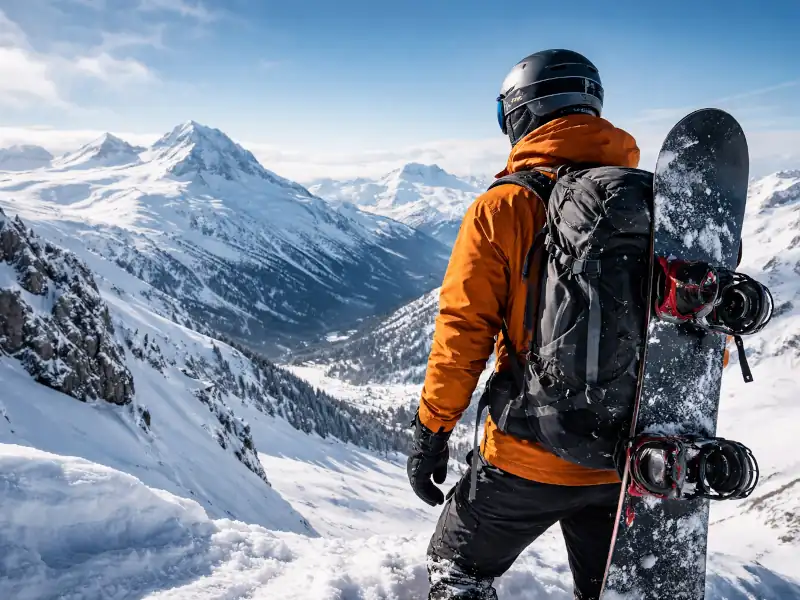
The Ultimate Guide to Choosing Snowboard Backpacks
Snowboard Backpacks are more than just gear storage — they’re survival tools, performance enhancers, and sometimes even life-saving equipment. Whether you’re carving groomers at the resort or heading deep into untouched backcountry powder, the right pack can completely transform your experience on the mountain.
Here’s the truth most riders learn the hard way: not all snowboard packs are built the same. Some are designed for quick resort laps and hydration. Others are engineered for avalanche terrain, technical touring, and multi-day missions. Choosing wrong can mean discomfort, wasted money, or worse — compromised safety.
In this comprehensive breakdown, we’re pulling back the curtain on Snowboard Backpacks — revealing the must-know features, hidden differences, safety innovations, and buying secrets that seasoned riders rely on. You’ll learn how capacity really works, when you actually need an avalanche airbag, what separates premium packs from cheap imitations, and how to avoid the common mistakes that trap beginners.
We’ll also explore different riding styles, safety considerations, durability factors, and long-term value — so you can invest once and ride confidently for years.
When you’re standing at the top of a line, snow falling quietly around you, the last thing you want to question is your gear.
Snowboard Backpacks: Core Features Every Rider Needs
When it comes to Snowboard Backpacks, the difference between an average pack and a high-performance one isn’t necessarily branding — it’s engineering. The right features directly affect comfort, balance, safety, and efficiency on the mountain. Ignore them, and you’ll feel it before lunch. Get them right, and your riding becomes smoother, safer, and far more enjoyable.
Let’s break down what matters.
Capacity & Volume: Understanding Liters the Right Way
Snowboard Backpacks are typically measured in liters, and that number tells you how much gear you can realistically carry. But here’s the catch — bigger isn’t always better.
For resort riding, a 10–20L pack is usually perfect. It holds water, snacks, an extra layer, and maybe a small repair kit. Lightweight, compact, and unobtrusive.
For backcountry day tours, you’ll usually want around 20–30L. This range comfortably fits avalanche safety gear (shovel, probe), extra insulation, skins, first-aid kit, and food.
Multi-day missions? Now you’re entering 30–40L territory.
Choosing the wrong size leads to two common mistakes:
- Too small → overstuffed and uncomfortable
- Too large → unnecessary weight and shifting load
The sweet spot depends entirely on your riding style and terrain.
Materials & Weather Resistance
Snow doesn’t just sit politely on your backpack — it melts, refreezes, and seeps into seams. That’s why quality materials matter.
Premium Snowboard Backpacks use high-denier nylon or ripstop fabrics treated with DWR (Durable Water Repellent). Reinforced stitching, weather-sealed zippers, and abrasion-resistant panels prevent damage from edges, rocks, and ice tools.
Look for:
- Waterproof or water-resistant rating
- A reinforced bottom panel
- YKK zippers
- Ice-resistant zipper garages
A soaked backpack means wet layers. Wet layers mean cold. And cold drains energy fast.
Fit, Harness Systems & Ergonomics
Here’s what many riders underestimate: fit is everything.
Snowboard Backpacks should hug your torso without restricting movement. A poorly fitted pack shifts weight while you carve, throws off balance on technical lines, and becomes exhausting during skin tracks.
High-quality models feature:
- Adjustable shoulder straps
- Sternum strap with whistle
- Padded hip belt
- Load lifters
- Breathable back panels
Some advanced packs even offer thermo-molded back panels or avalanche-tool compartments positioned for weight distribution.
The goal? Keep weight centered and stable.
Board Carry Systems
Not all carry systems are equal. Snowboard Backpacks typically offer:
- Vertical carry (board straight up)
- A-frame carry (splitboards/skis)
- Diagonal carry (touring efficiency)
For short hikes, vertical carry works fine. For longer approaches, stability becomes critical — especially in windy situations.
Smart Organization
Dedicated avalanche compartments are standard in serious backcountry packs. Separate wet/dry storage areas prevent moisture spread. Fleece-lined goggle pockets protect lenses from scratches.
Smart organization isn’t a luxury — it’s efficiency under pressure.
The truth is simple: Snowboard Backpacks aren’t just storage — they’re tools designed to support your riding goals. When features align with your terrain and style, the mountain feels better, safer, and more accessible.
Types of Snowboard Backpacks for Every Riding Style
Not all Snowboard Backpacks are created for the same mission. The terrain you ride, the distance you travel, and the risks you accept all determine what type of pack you actually need. Choosing the wrong category is one of the most common — and costly — mistakes riders make.
Resort Snowboard Backpacks
If your riding happens mostly inside lift-accessed boundaries, your needs are simple. You’re not carrying avalanche rescue tools, overnight gear, or climbing equipment. You need hydration, snacks, maybe a mid-layer, and a safe place for your goggles.
Resort-focused Snowboard Backpacks are:
- Usually compact (10–20L)
- Lightweight
- Minimalist in design
- Built for comfort/safety during chairlift rides
These packs often prioritize slim profiles so they don’t interfere with lift bars or chair backs. Many riders even choose hydration-only packs for this reason.
The upside? Less weight and more freedom.
The downside? Limited storage and minimal safety compartmentalization.
If you never leave controlled terrain, this category works beautifully.
Backcountry & Touring Snowboard Backpacks
Step beyond resort gates, and everything changes.
Backcountry Snowboard Backpacks are engineered for self-sufficiency. You’re carrying avalanche tools, skins, repair kits, food, water, and emergency layers. Every ounce matters. Every compartment has purpose.
These packs typically fall in the 20–35L range and include:
- Dedicated avalanche tool pocket
- Helmet carry system
- Board carry (vertical or A-frame)
- Reinforced ice-tool loops
- Hydration compatibility
Weight distribution becomes critical during long skin tracks. A poorly designed touring pack will pull backward on steep ascents and fatigue your shoulders quickly.
The best touring packs feel almost invisible once adjusted properly — balanced, stable, and breathable.
If you ride untracked powder regularly, this is the category that deserves your attention.
Avalanche Airbag Snowboard Backpacks
Now we enter serious terrain.
Avalanche airbag Snowboard Backpacks include an integrated airbag system that deploys during a slide, increasing your volume and helping keep you near the snow surface. They don’t prevent avalanches — but they significantly improve survival odds.
Systems come in two primary formats:
- Compressed gas canister
- Electric fan-powered systems
While heavier and more expensive, these packs are increasingly common among experienced backcountry riders. Brands like Mammut and Black Diamond have refined airbag technology to balance weight and reliability.
If you regularly ride avalanche-prone terrain, an airbag pack isn’t overkill — it’s a calculated safety investment. See below for a detailed explanation of avalanche-ready snowboard backpacks
For official avalanche education and terrain awareness, organizations like the American Institute for Avalanche Research and Education offer courses that dramatically improve decision-making skills.
Splitboard-Specific Packs
Splitboarders often need enhanced ski-carry systems and skin storage access. Many modern touring Snowboard Backpacks accommodate both snowboard and ski configurations, but it’s worth double-checking compatibility.
Choosing the right type isn’t about buying the most expensive pack — it’s about aligning gear with risk level and riding ambition.
- Resort rider? Keep it light.
- Weekend explorer? Go touring-ready.
- Committed backcountry rider? Consider airbag systems.
The mountain doesn’t forgive poor preparation — but it rewards smart decisions.
More on Safety & Avalanche-Ready Snowboard Backpacks
When terrain gets steeper and snow conditions grow unpredictable, Snowboard Backpacks shift from convenience gear to critical safety equipment. In avalanche terrain, preparation isn’t optional — it’s non-negotiable.
And here’s the hard truth: the backpack itself doesn’t save you. What it carries — and how quickly you can access it — does.
Let’s break down what makes avalanche-ready Snowboard Backpacks truly effective.
Dedicated Avalanche Tool Compartments
One of the defining features of backcountry-specific Snowboard Backpacks is a separate avalanche safety pocket. This isn’t just clever design — it’s life-saving organization.
Your shovel and probe must be:
- Stored separately from main storage
- Instantly accessible
- Organized to deploy within seconds
In a rescue situation, minutes matter. Digging through layers, snacks, and gloves wastes precious time. That’s why serious touring packs isolate avalanche tools in high-visibility compartments, often with reinforced sleeves to prevent punctures.
This design ensures you never fumble under pressure.
Avalanche Airbag Technology Explained
Avalanche airbag Snowboard Backpacks add another layer of protection. When deployed, an inflatable airbag increases your body’s overall volume, helping you stay closer to the surface during a slide due to inverse segregation (larger objects rise in moving debris).
There are two main systems:
Canister-based systems
- Lightweight trigger mechanism
- Replaceable compressed gas cartridges
- Slightly lighter overall weight
Fan-powered systems
- Rechargeable battery
- Multiple deployments per charge
- No need to refill canisters
While airbags dramatically improve survival rates, they’re not magic shields. They require training, awareness, and proper terrain assessment.
According to the American Institute for Avalanche Research and Education, formal avalanche education is one of the most powerful tools riders can invest in. Gear supports knowledge — it doesn’t replace it.
Avalanche Beacon, Probe & Shovel Integration
Snowboard Backpacks designed for avalanche terrain are optimized around the “big three” safety essentials:
- Avalanche beacon (worn on body, not stored)
- Probe
- Shovel
The pack’s role is efficient transport and rapid access. Some advanced models even integrate radio sleeves, insulated hydration routing to prevent freezing, and reinforced compartments for first-aid kits.
Hydration & Cold-Weather Efficiency
Cold drains hydration faster than most riders realize. Many Snowboard Backpacks include insulated hydration sleeves to prevent hose freezing. Others prioritize wide-mouth bottle sleeves that are easier to manage with gloves.
Energy management is safety management.
Emergency & Survival Gear Storage
Beyond avalanche tools, backcountry riders often carry:
- Emergency bivy or shelter
- Extra gloves and insulation
- Repair kit (multi-tool, straps, duct tape)
- Headlamp
- Communication device
The best safety-oriented packs distribute weight evenly and prevent internal shifting, which preserves balance during technical descents.
Avalanche-ready Snowboard Backpacks are built around speed, access, and smart weight distribution. They’re designed for moments you hope never happen — but must be prepared for anyway.
Confidence in the mountains doesn’t come from luck. It comes from preparation, education, and equipment that works when it matters most.
How to Choose the Best Snowboard Backpacks for Your Needs
Choosing between Snowboard Backpacks can feel overwhelming. Dozens of brands. Endless features. Airbag systems, compression straps, harness adjustments — it’s easy to get lost in the specs.
But here’s the reality: the best pack isn’t the most expensive one. It’s the one aligned with your riding style, terrain exposure, and load requirements.
Let’s simplify this intelligently.
Match the Pack to Your Mission
Start with one question:
Where will you actually ride 80% of the time?
If you’re primarily at lift-access resorts, a compact 15–20L pack is more than enough. You don’t need avalanche compartments or heavy-duty reinforcement. Lightweight and streamlined wins here.
If you’re venturing into sidecountry or moderate backcountry zones, step into the 20–30L category. That gives you room for avalanche gear, skins, water, and layers without unnecessary bulk.
For full-day tours or advanced backcountry missions, 30–35L Snowboard Backpacks provide the flexibility you’ll appreciate when conditions shift.
Buying bigger “just in case” often results in overpacking. Keep it purpose-driven.
Fit & Body Compatibility
Here’s something many riders overlook: torso length matters.
High-quality Snowboard Backpacks often come in multiple sizes or offer adjustable harness systems. A poorly fitted pack creates shoulder strain, lower back fatigue, and shifting weight during turns.
When trying a pack:
- Tighten the hip belt first — it should carry most of the weight
- Adjust shoulder straps snugly without lifting the hip belt
- Use load lifters to bring weight closer to your back
- Check mobility by simulating turns and reaching overhead
If it pulls backward or sways side to side, it’s not dialed in.
Comfort equals control.
Board & Helmet Carry Systems
Not all carry systems are equal, and this detail becomes critical on boot packs or technical ascents.
Snowboard Backpacks generally offer:
- Vertical board carry (most common)
- Diagonal carry
- A-frame carry (splitboard compatible)
If you hike frequently, stability matters more than speed. A sloppy carry system throws off balance, especially in wind.
Helmet carry is another underrated feature. A removable helmet sling keeps bulky gear external and frees interior space.
Small design details, big real-world impact.
Weight vs Durability
There’s always a trade-off between ultralight materials and rugged construction. Resort riders can lean toward lighter packs. Backcountry riders should prioritize reinforced panels and high-denier fabrics.
You don’t want sharp board edges slicing through thin materials mid-season.
Look for:
- Reinforced base panel
- Abrasion-resistant fabric
- Heavy-duty zippers
- Clean stitching and seam taping
Quality craftsmanship reveals itself in the details.
Brand Reputation & Warranty
Reliable manufacturers stand behind their products. Brands like Osprey are known for strong warranty programs, while others focus heavily on snow-specific design.
A solid warranty isn’t marketing fluff — it’s confidence in durability.
Choosing Snowboard Backpacks wisely isn’t about chasing trends. It’s about aligning function with terrain, fit with body type, and safety with ambition.
Buy once. Buy right. Ride with confidence.
Maintenance, Durability & Smart Buying Tips for Snowboard Backpacks
You’ve chosen wisely. You’ve matched your terrain, fit, and safety needs. Now comes the part many riders neglect — taking care of their Snowboard Backpacks so they last season after season.
High-quality packs aren’t disposable gear. With proper maintenance, they can perform flawlessly for years. Ignore care, and even premium models wear out faster than expected.
Let’s make sure that doesn’t happen.
Cleaning & Drying the Right Way
After every ride — especially in wet or heavy snow — empty your pack completely. Snow melts. Moisture lingers. Zippers corrode. Fabrics degrade.
Follow these smart care steps:
- Shake out loose snow and debris
- Spot-clean mud or salt stains with mild soap and lukewarm water
- Avoid harsh detergents (they damage DWR coatings)
- Never machine wash unless manufacturer-approved
- Air dry fully before storage
Never toss your pack onto a heater or direct heat source. High heat can weaken synthetic fibers and warp internal frames.
Dry it naturally, indoors, in a well-ventilated space.
Protecting Waterproofing & Fabrics
Over time, the Durable Water Repellent coating on Snowboard Backpacks wears down. When you notice water soaking into the fabric instead of beading off, it’s time to refresh it.
You can apply a spray-on DWR treatment specifically designed for technical outerwear. This restores water resistance and prolongs lifespan.
Also inspect high-friction areas:
- Board carry straps
- Bottom panel
- Ice tool loops
- Shoulder strap stitching
Early detection of wear prevents catastrophic failure mid-season.
Zippers, Buckles & Straps
Zippers are the unsung heroes of any backpack. Snow, ice, and dirt can clog them over time.
Keep them functioning smoothly by:
- Brushing out ice buildup
- Rinsing grit with water
- Using zipper lubricant occasionally
Broken buckles and straps are common after heavy use. Many manufacturers offer replacement parts — a small fix that saves an entire pack.
Smart Buying Tips Most Riders Miss
Before purchasing Snowboard Backpacks, always:
- Try them on with weight inside
- Check return policies
- Research real-world reviews
- Confirm compatibility with your board carry needs
- Verify air travel regulations if using airbag systems
Avoid the “cheapest option” trap. Bargain packs often fail at stress points, costing more long-term.
Off-Season Storage
When winter ends:
- Clean and dry thoroughly
- Loosen straps
- Store in a cool, dry place
- Avoid compressing under heavy gear
Treat it like performance equipment — because that’s exactly what it is.
Snowboard Backpacks are more than storage solutions. They’re tools that support safety, performance, and endurance in harsh mountain environments. With proper care, they’ll show up for you every single season.
Final Thoughts on Choosing Snowboard Backpacks
Snowboard Backpacks aren’t just accessories — they’re essential mountain tools. Whether you’re lapping groomers, hiking ridgelines, or venturing deep into avalanche terrain, the right pack supports your safety, comfort, and performance.
Throughout this guide, we’ve revealed what truly separates average packs from professional-grade Snowboard Backpacks: intelligent design, terrain-specific functionality, ergonomic fit, and safety integration. We’ve broken down capacity ranges, airbag systems, board carry options, durability factors, and maintenance best practices — because smart riders don’t leave critical decisions to guesswork.
Here’s what it all comes down to:
- Match your pack to your terrain exposure
- Prioritize fit and weight distribution
- Never compromise on avalanche safety in backcountry terrain
- Invest in durability over short-term savings
- Maintain your pack like performance equipment
Snowboarding is freedom. It’s movement. It’s silence before the drop and adrenaline during the descent. Your gear should enhance that experience — not distract from it.
When you choose Snowboard Backpacks thoughtfully, you eliminate unnecessary friction. You ride lighter. You move smarter. You prepare better.
And that’s what separates casual riders from confident ones.
Frequently Asked Questions About Snowboard Backpacks
What size snowboard backpack do I need?
It depends on your riding style. Resort riders typically need 10–20 liters. Backcountry day tours require 20–30 liters. Multi-day missions may need 30–40 liters. Choose based on realistic load requirements, not “just in case” thinking.
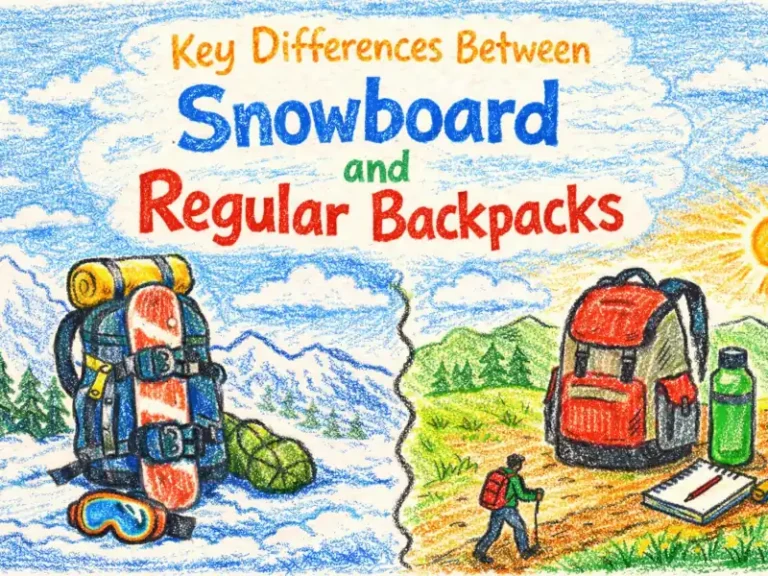
Are snowboard backpacks different from regular backpacks?
Yes. Snowboard Backpacks include snow-specific features like board carry systems, avalanche tool compartments, helmet holders, insulated hydration routing, and reinforced materials designed for winter environments.
Do I need an avalanche airbag backpack?
If you ride avalanche-prone backcountry terrain, an airbag system significantly improves survival odds. However, it does not replace avalanche education, beacon use, and smart decision-making.
Can I use a ski backpack for snowboarding?
Often, yes — especially touring-specific models with A-frame carry systems. However, ensure compatibility with vertical snowboard carry if needed.
How heavy should a snowboard backpack be?
Empty weight varies. Resort packs are lightweight (under 2 lbs), while airbag-equipped Snowboard Backpacks may weigh 5–7 lbs due to safety systems. Weight should balance durability and function.
How long do snowboard backpacks last?
With proper care, high-quality packs can last 5–10 seasons or more. Regular cleaning, drying, and inspection significantly extend lifespan.
Are waterproof snowboard backpacks necessary?
Fully waterproof packs aren’t always required, but strong water resistance is essential. Snow exposure, melting ice, and moisture demand durable materials with protective coatings.

by: Blair Fontana
A versatile freelance content creator known for her engaging writing style and diverse range of interests. Blair has carved out a niche in lifestyle writing, captivating her audience with insightful articles… read more