Budget vs Premium Ski Helmets: What Features Are Worth the Splurge?
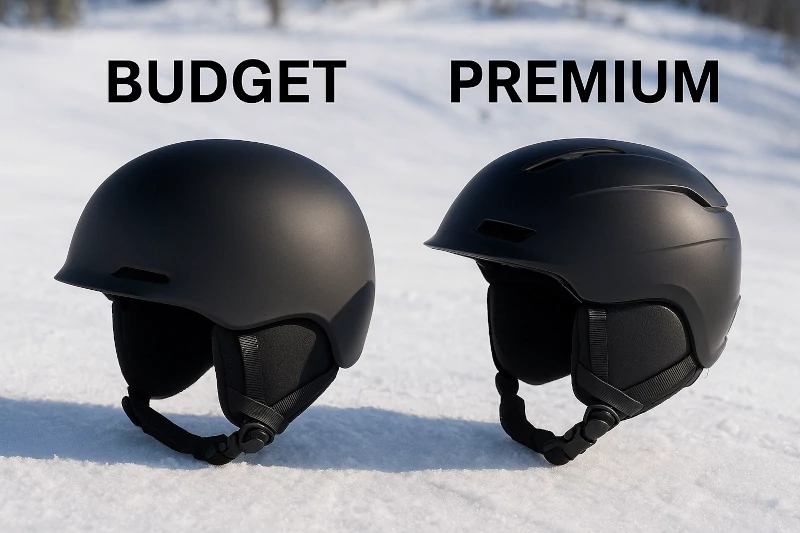
Whether you’re making graceful turns down a black diamond or just trying to survive the bunny slope without face-planting, one thing’s clear: your helmet matters. But when you’re staring at racks of helmets and the prices range from under $100 to upwards of $300, many of us scratch our heads: “What am I really paying extra for?”
In this blog post we’ll break down the difference between budget and premium ski helmets, highlight the features that actually matter (and those that are just nice-to-haves), and help you figure out where you should spend — and where you can save — depending on your skiing style and budget.
What Defines a “Budget” vs “Premium” Ski Helmet
Typical Price Ranges
Budget helmets generally sit in the ~$70–$150 USD range, while premium models often push into the $250+ territory (and can even go beyond $400).
Safety Certifications
Regardless of price, good helmets will meet basic safety standards for ski/snowboard use (for instance, ASTM F2040 or CE EN1077). The key point: spending more doesn’t always mean better basic protection. Often it means better materials, added tech, comfort, etc.
Why the Price Difference?
Price differences come from a number of areas: shell and liner materials, construction method (in-mold vs hard shell), additional safety tech (e.g., rotational impact systems), ventilation control, fit systems, brand name, styling, extra features (audio, visors) and durability.
Core Safety Features – Non-Negotiable
These are features you should insist on, whether you’re buying budget or premium:
Impact Foam & Shell Construction
The helmet’s outer shell and inner foam are what absorb and distribute impact forces. Budget helmets often use heavier “hard shell” ABS construction; premium often use lighter in-mold or hybrid shells.
Rotational Impact Technology (e.g., MIPS)
Rotational forces in angled impacts are a big risk. Some helmets, especially at higher price points or newer models even in budget range, include systems like MIPS (Multi-Directional Impact Protection System). This adds another layer of safety.
Fit and Sizing
Even the best helmet won’t protect you well if it doesn’t fit properly. A snug, secure fit, good strap system, compatibility with your goggles, and comfort all matter. Poor fit = potential for movement in a fall = more risk.
Takeaway: It’s entirely possible to get a very safe helmet in the budget category if the core protection and fit are good. The premium helmet’s extra cost is often for comfort, weight, tech, brand—not necessarily basic protection.
Features That Differentiate Premium from Budget
Here’s where the “extra” cost often goes — once you’ve got basic safety covered.
Materials & Weight
Premium helmets often use lighter, tougher materials (hybrid shells, in-mold construction, possibly carbon or advanced composites) so they weigh less and feel more comfortable on longer days. Budget models might be heavier and built with simpler shell materials.
Ventilation Systems
Budget helmets may have fixed vents (you’re stuck with what you’ve got). Premium helmets tend to offer more advanced venting: adjustable vents, more zoned airflow, better control for cold vs warm days.
Fit Systems & Customization
Premium helmets often have refined fit adjustment systems (dial systems, BOA, multi-size shells), removable liners, better ear-pads, audio compatibility, etc. Budget helmets may offer simpler adjustments or fewer comfort refinements.
Extras & Convenience Features
These include built-in audio compatible ear-pads, goggle clips or integrated visors, premium finishes, brand styling, maybe even “resort lifestyle” extras. These raise price but don’t always raise your safety much.
As a Reddit user stated: “After a certain price you will not really gain anything meaningful in safety … the other stuff is usually peripheral.”
Premium Ski Helmet Features at a glance:
- MIPS or Multi-Directional Impact Protection System – Reduces rotational forces during angled impacts.
- Lightweight Construction – Uses advanced materials for comfort without compromising safety.
- Adjustable Ventilation – Lets you control airflow to stay cool or warm.
- Audio Compatibility – Built-in speaker pockets for headphones or Bluetooth speakers.
- Custom Fit Systems – Dial or BOA systems allow precise sizing for secure comfort.
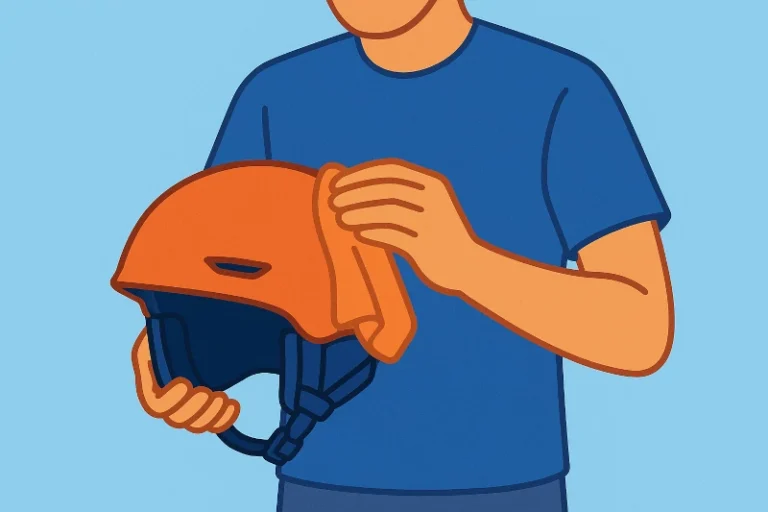
- Removable Liner and Ear Pads – Makes cleaning easier and adapts to changing weather.
- Reinforced Shell – Adds durability while maintaining a slim profile.
- Aerodynamic Shape – Reduces wind resistance for high-speed skiing.
- Goggle Integration – Designed to prevent gaps between helmet and goggles.
Side-by-side comparison
| Feature | Typical Budget Helmet | Typical Premium Helmet |
|---|---|---|
| Construction (shell + foam) | Basic hard plastic (ABS) shell with standard foam liner. | Premium hybrid or in‑mold shell with advanced foam or honeycomb material. |
| Meets safety standards such as ASTM F2040 or CE EN1077 | Usually, but ensure the helmet shows a certification mark | Yes, but double check the helmet shows a certification mark |
| Rotational protection (e.g., MIPS) | May include rotational protection or none. | Often includes technologies like MIPS, WaveCel or similar for angled impacts. |
| Ventilation / airflow control | Fixed vents, minimal adjustability. | Adjustable vents, many openings, better airflow management. |
| Fit & comfort systems | Basic sizing and strap; simpler liner. | Dial/BOA fit systems, premium liners, better ear‑pads, more comfort. |
| Goggle integration / audio / extras | Basic goggle strap clip; minimal extra features. | Sleek goggle fit, audio‑speaker ready, high‑end buckle systems, other extras. |
| Weight & profile | Heavier, thicker shell, bulkier feel. | Lighter, lower profile, more refined design. |
| Price range (approximate) | Lower cost (entry level) – enough for safety. | Higher cost (premium level) – more features & refinement. |
When a Budget Helmet Makes Sense
If you:
- Are a beginner or occasional skier (a few times a season)
- Ski mainly groomed runs, not high-speed back-country or technical terrain
- Are price conscious and want great value
Then a budget helmet can absolutely suffice — so long as you verify fit, certification, and that the helmet isn’t damaged or expired.
Example budget helmet picks:
- Kelvin 2 MIPS Ski Helmet: (~$80 USD) Combines MIPS technology with a durable ABS shell and EPS core, 14 adjustable vents, removable earmuffs, and a washable liner. Offers premium-style safety and comfort at a true budget price point.
- Smith Mission MIPS Helmet: A very budget-friendly option (~$65 USD) with MIPS protection and basic features.
- Atomic Nomad Ski Helmet: Slightly higher budget-tier (~$120 USD) with good entry features for casual resort use.
Tip: Even if you go budget, try on helmets in-store if you can, check compatibility with your goggles, check liner comfort, and make sure the helmet isn’t old or damaged.
When Upgrading to a Premium Helmet Is Worth It
If you:
- Ski frequently (many days per season)
- Explore back-country, variable terrain, higher speeds, tougher conditions
- Value better comfort, lighter weight, better ventilation, refined fit, maybe extras like audio
Then a premium helmet may be worth the investment—it pays off through comfort, durability, and features.
Example premium helmet picks:
- Smith Code MIPS Helmet: Premium build (~$255 USD) with refined fit and safety tech.
- Salomon Driver Prime Sigma Photo MIPS Helmet: High-end (~$347 USD) geared for serious performance and full resort/back-country versatility.
- POC Skull Dura X MIPS Helmet: Premium tech (including proprietary safety materials) for serious skiers/back-country use.
Tip: Even with premium helmets you still must check fit, and remember that no helmet lasts forever. Inspect regularly and replace after major impacts or if foam is compromised. Experts recommend replacing your helmet every 3 – 5 years due to material deterioration over time and to ensure you have the latest safety features. Keep this in mind when setting your helmet budget.
Smart Buying Checklist Before You Buy
Here’s a quick checklist to guide your decision:
- Helmet fits snugly, doesn’t wobble, and works well with your goggles (no gap).
- Safety certification labels present (e.g., ASTM, CE).
- Consider your skiing frequency/terrain: beginner vs advanced/back-country.
- Ventilation & climate: do you ski in mild/variable or consistently cold/hot weather?
- Replacement rule: after a major impact, or every 3-5 years.
- Budget vs Premium: prioritize fit and core protection first; extras second.
Frequently Asked Questions (FAQs)
Is a $300 helmet twice as safe as a $100 helmet?
Not necessarily. A quality budget helmet can meet core safety standards and provide very good protection. The extra cost usually buys improved comfort, materials, fit, weight, ventilation, and brand premium.
Do I really need MIPS in my ski helmet?
MIPS adds protection against rotational forces in angled impacts, which is especially helpful in high-speed or technical terrain. If you’re an occasional skier on groomers, it provides an extra layer of protection; if you push harder, it becomes more necessary.
How often should I replace a ski helmet?
If you’ve had an impact (a crash where your head hit something solid) you should replace it immediately. Otherwise, read our article about signs to watch for including degradation of foam/liner, shell wear and more. Even with no visible signs of deterioration, experts recommend replacing your helmet every 3-5 years.
Can I use a bike helmet instead to save money?
No — ski helmets are specifically certified for snow-sport conditions (temperature variances, multi-impact, cold impacts), and may offer different protection than bike helmets. Always use a dedicated ski helmet. (U.S. Consumer Product Safety Commission)
What about audio-compatible helmets — are they worth it?
If you love listening to music on the slopes, yes it’s a fun comfort upgrade. But for safety purposes it’s purely a convenience feature. If you’ll never use it, then that extra cost might be better put elsewhere.
Conclusion
Here’s the bottom line:
- If you’re a casual skier who visits a few times a season, stays on groomers, and wants solid protection without splurging — a budget helmet (with proper fit and safety features) is absolutely viable.
- If you ski often, tackle varied terrain, value lighter weight, better ventilation, superior fit/comfort, and extras — then investing in a premium helmet can pay off.
Either way: look for the helmet that fits your head well, meets safety standards, and suits your skiing style and budget. Your head will thank you whether you’re blasting through powder or just cruise-carving the bunny hill. Stay safe, shred smart — and have fun out there!

by: Cory Willins
Cory is a dynamic and passionate content writer, specializing in sports-related topics. With over a decade of experience in the field, Cory has established… read more