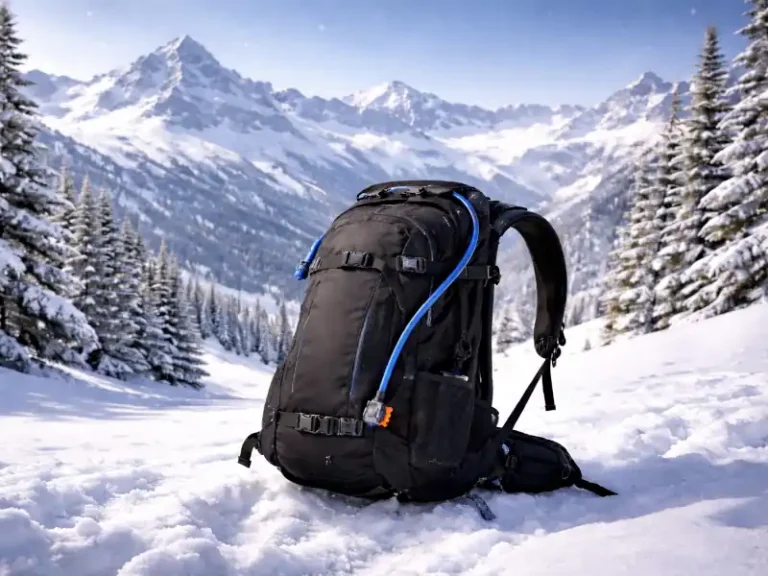
Carry-On & Air Travel Friendly Snowboard Travel Backpacks
Whether you’re a seasoned snowboarding enthusiast or a weekend warrior hitting resorts around the world, one thing every rider needs is a reliable snowboard travel backpack. Not all backpacks are created equal, and when it comes to carrying gear, navigating airports, and staying organized on the go, choosing the right travel pack can make or break your trip. This article explores everything you need to know about snowboard travel backpacks that are carry-on and air travel friendly, including how to choose the right one, what features to look for, packing strategies, safety tips, and some recommended options for different kinds of travelers.
Why a Snowboard Travel Backpack Matters
Traveling with snowboarding gear can be complicated. Between boots, outerwear, accessories, and personal items, you need a system that keeps everything secure, accessible, and protected. Snowboard travel backpacks serve several key functions:
Carry-on Compatibility: Many snowboarders prefer to avoid checking bags to reduce fees, damage risk, and lost luggage. A properly sized travel backpack allows you to bring essential gear onto the plane.
Organization: With multiple compartments, straps, and specialized storage areas, snowboard backpacks help keep gear tidy and easy to access.
Comfort: Long walks through terminals and bus transfers between lodges require a backpack that distributes weight comfortably and prevents fatigue.
Durability: Snowboard travel backpacks are built to withstand cold weather, rough handling, and heavy loads, giving you peace of mind when navigating unpredictable travel conditions.
Understanding Carry-On Size Restrictions
Carry-on size limits vary slightly between airlines, but most major carriers allow personal items around 22 x 14 x 9 inches (56 x 36 x 23 cm). When considering a snowboard travel backpack, it’s essential to check dimensions and confirm that the bag will meet the airline’s carry-on policies.
Keep in mind:
- External pockets and protrusions (like straps and helmet holders) may add to the total size. Some backpacks compress or stow straps to fit strictly within the limits.
- Weight restrictions are also important. Even if your backpack fits size-wise, airlines may enforce carry-on weight limits. Packing efficiently and using lightweight gear helps stay within those limits.
- Always check directly with your airline if you’re unsure. Every carrier has unique carry-on rules, and enforcement can vary by airport and destination.
Key Features of Snowboard Travel Backpacks
When selecting a snowboard travel backpack, consider the following features:
Size and Capacity
Backpacks are measured in liters (L). For air travel carry-on bags, sizes between 30–45 liters are common, though some snowboarders prefer larger bags (up to 60 L) if they plan to check the bag. A 30–45 L pack can generally hold layers, boots, gloves, and accessories.
Dedicated Gear Compartments
Look for specialized storage for:
- Snowboard boots
- Goggles and eyewear
- Helmet attachment or pocket
- Gloves and outerwear
- Tools and wax kits
Packing cubes or removable organizers help keep small items separated and easy to find.
Comfortable Suspension System
Travel often involves long walks, uphill transfers, or navigating crowded terminals. A comfortable suspension system with padded shoulder straps, hip belt, and adjustable back panel significantly improves comfort.
Ventilated back panels prevent excess sweating, which can be particularly helpful in transition areas like airports or lodges.
External Attachment Points
Snowboard backpacks with external straps or daisy chains allow riders to attach additional gear such as helmets, jackets, or even a small snowboard if needed. These can also be useful for securing trekking poles or other outdoor equipment during non-snowboard trips.
Weather Resistance
Waterproof or water-resistant materials protect your gear from snow, rain, and spills. Snowboard backpacks often include rain covers or sealed zippers to enhance protection.
Security Features
Lockable zippers and hidden pockets help prevent theft when matching through busy airports or leaving your pack unattended while loading gear.
Easy Access and Quick Grab Points
A top-loader design is traditional, but side or front panel access zippers let you reach gear without emptying the entire pack. Quick grab handles on multiple sides make it easy to retrieve your bag from overhead compartments or car trunks.
Materials and Durability
High-denier nylon or polyester with reinforced stitching ensures long-term durability. Look for abrasion-resistant fabrics, especially on areas that will contact snow or rough surfaces.
Packing Tips for Carry-On Backpacks
Optimizing your packing strategy ensures you stay within carry-on limits and travel comfortably.
Plan What’s Essential
Determine which items you absolutely need for your trip and which can be minimized. Essentials often include:
- Base layers
- Midweight layers
- Outer shell
- Gloves
- Goggles
- Socks
- Personal items and electronics
If space allows, consider packing a foldable beanie, neck gaiter, or lightweight travel towel.
Wear Bulky Items During Travel
To maximize backpack space, wear your bulkiest items like your jacket while traveling. Airport security may require you to remove the jacket, but wearing it minimizes pack bulk and provides extra warmth.
Use Packing Cubes
Packing cubes compress clothing and help keep related items together. Assign cubes to specific categories like layers, accessories, and underwear for fast sorting.
Protect Fragile Items
Goggles, electronics, and other delicate gear should be placed in padded compartments or wrapped in soft clothing to prevent damage.
Balance Weight Distribution
Pack heavier items close to your back. This improves stability and comfort while carrying the backpack. Keep lighter items toward the top or outer pockets.
Check Airline Rules Ahead of Time
Not all airlines are friendly to larger backpacks as carry-ons. Confirm your airline’s size and weight limits ahead of time. If the bag is slightly over, you may have to check it or pay additional fees.
Don’t Forget Personal Items
Many airlines allow a personal item (like a small day pack or messenger bag) in addition to your carry-on. Use your personal item for items you need quick access to—wallet, phone, travel documents, snacks, and entertainment.
Safety and Security Tips
Traveling with expensive snowboarding gear means protecting your investment. Follow these safety tips:
Use Lockable Zippers
Bring small combination locks or TSA-approved locks for your backpack zippers. This deters opportunistic theft in crowded terminals.
Keep Valuables Close
Place passports, electronics, and money in easily accessible interior pockets or your personal item.
Photo Documentation
Before traveling, take photos of your gear. In the unfortunate event of lost luggage or damage, photo documentation speeds up insurance claims and airline reports.
Waterproof Protection
Even if your backpack is water-resistant, consider adding a waterproof dry bag inside for items that absolutely must remain dry.
Recommended Snowboard Travel Backpacks
The list below highlights some backpacks that are well-suited for carry-on and air travel snowboarding trips. These recommendations cover a range of styles, capacities, and features.
Compact Carry-On Friendly Packs (30–40 L)
These backpacks are designed to stay within carry-on size limits while offering smart organization and comfort.
● 30–35 L Travel Pack
Ideal for short trips or minimalist travelers. Fits layers, accessories, and a small camera kit. Look for side or front access for easy gear retrieval.
● 35–40 L All-Around Pack
A popular choice for most riders traveling with basic gear. Offers just enough space for essential snowboarding clothing and personal items without exceeding carry-on size limits.
Mid-Size Travel Backpacks (40–50 L)
For travelers who need extra capacity but still want to avoid checking bags, mid-size backpacks offer flexibility and comfort.
● 45 L Multi-Day Travel Pack
Great for trips lasting 3–7 days. Provides space for multiple layers, boots (depending on size), personal items, and accessories. Many come with additional attachment points for helmets or small items.
● 45–50 L High-Feature Pack
These packs often include extensive organizational features, ergonomic suspension systems, and weatherproofing. They strike a balance between travel-friendly size and gear capacity.
Specialized Snowboard Travel Packs
Some backpacks are specifically designed with snowboarding in mind.
● Helmet-Ready Packs
These include dedicated helmet attachment points or internal compartments designed to secure a helmet without adding bulk.
● Boot-Compatible Packs
Certain models offer expandable boot pockets or dedicated side storage so you don’t have to cram boots into the main compartment.
● Travel + Resort Packs
These are versatile enough to be used from airport to resort, with features like quick-access ski passes, insulated pockets for electronics, and rugged materials for outdoor use.
Budget vs Premium Options
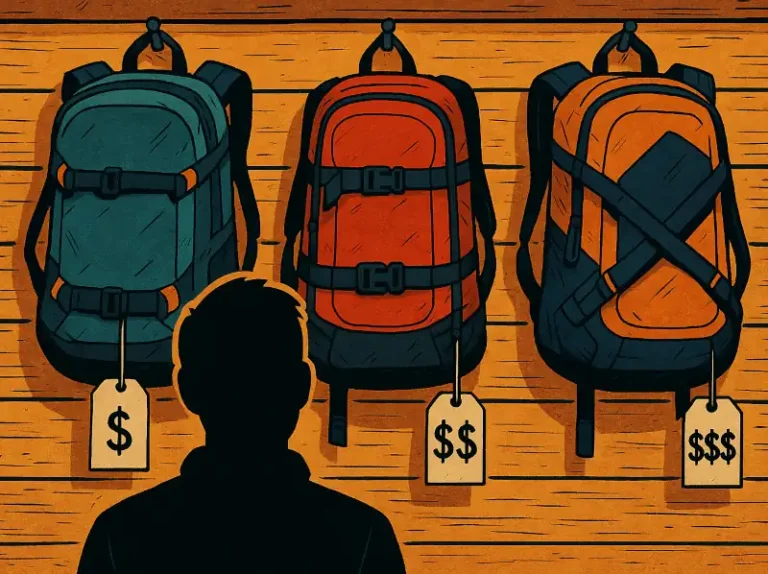
Snowboard travel backpacks span a wide price range. Budget models offer solid functionality and basic comfort, while premium options include high-end materials, advanced suspension systems, and specialized compartments.
Budget Picks: Often under $150, these backpacks provide adequate space and durability for most travelers who don’t need specialized features.
Mid-Range Picks: Between $150–$300, these packs typically offer stronger materials, better comfort systems, and more organization.
Premium Picks: Above $300, premium backpacks feature lightweight but rugged fabrics, advanced ergonomic designs, and weatherproof construction suitable for frequent travelers.
Packing Checklist for Snowboard Travel Backpacks
To ensure you don’t forget anything, here’s a sample packing checklist tailored for carry-on snowboard travel:
- Snowboarding Gear
- Base layers
- Midweight fleece or insulating layers
- Waterproof shell jacket and pants
- Gloves or mittens
- Goggles with protective case
- Helmet (worn or attached externally)
- Socks (multiple pairs)
- Travel Essentials
- Passport or ID
- Boarding passes (printed or digital)
- Wallet and currency
- Phone and charger
- Headphones or earbuds
- Snacks or energy bars
- Water bottle or hydration bladder
- Clothing and Accessories
- Casual clothes for evenings
- Underwear and sleepwear
- Warm hat or beanie
- Neck gaiter or scarf
- Toiletries (in travel-sized containers)
- Miscellaneous
- Sunscreen and lip balm
- Travel insurance documents
- Portable power bank
- Camera or action camera gear
- Pocket tool or multitool
(packed in checked bag if going through TSA)
Tips for Traveling With Snowboard Backpacks
Follow these practical tips to get the most out of your snowboard travel pack:
Use Compression Straps
Many backpacks include external compression straps. Use them to cinch down bulky items and reduce overall size.
Avoid Overpacking
Even if the bag technically fits within size limits, overweight or oversized carry-ons can be flagged at gate check. Aim to stay comfortably within limits.
Know Airport Procedures
When boarding, many flight attendants will ask passengers with oversized carry-ons to gate-check their bags if they don’t fit in the overhead bins. Be prepared and flexible.
Protect Electronics
Keep laptops, tablets, and cameras in padded compartments. If your bag lacks proper padding, use sleeves or protective cases.
Wear Layers for Travel
Planes tend to be cold, so wear layers. You can always stow a jacket or midlayer in your backpack once onboard.
Final Thoughts
Choosing the right snowboard travel backpack can transform your travel experience. A well-designed, air travel friendly backpack keeps your gear organized, protected, and accessible, helping you make the most of every trip. From compact carry-on packs to spacious multi-day options, there are choices to suit every rider’s needs and travel style.
Consider what you plan to pack, how long you’re traveling, and which features matter most to you—whether that’s dedicated compartments, comfort systems, or weather resistance. With the right backpack and thoughtful packing strategies, your snowboard trips can be smoother, lighter, and more enjoyable from departure to final run.

by: Blair Fontana
A versatile freelance content creator known for her engaging writing style and diverse range of interests. Blair has carved out a niche in lifestyle writing, captivating her audience with insightful articles… read more